Add this ingredient to asparagus fern in autumn, and it will easily grow into a "baby's breath" display
As people's living conditions improve and rise, more and more people like to keep some green potted plants at home. Potted plants like pothos, spider plant, and asparagus fern are basically kept in every household; they not only decorate the room, but also purify indoor air, which is good for the family's health.
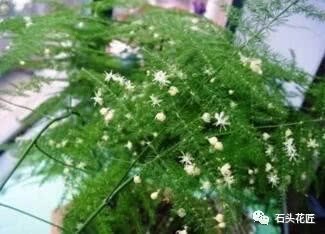
When growing flowers in daily life, fertilizing is very important. If fertilizing is done properly, there will be unexpected rewards. Just like the asparagus fern we usually keep at home, its plant shape alone is enough to make many friends love it dearly; and when caring for asparagus fern, as long as care is proper and fertilizing is reasonable, it can bloom small white flowers. A flowering asparagus fern looks just like a pot of baby's breath, very beautiful. So today the topic Shitou shares with everyone is:
Turn asparagus fern into "baby's breath": add this kind of "ingredient" in autumn, and the effect is super good!
When caring for asparagus fern in daily life, as long as watering and light management are proper, the plant can grow very dense and green. If reasonable fertilizing is carried out according to the stage, the plant can bloom beautiful small flowers. Generally, at different stages, you can give asparagus fern two kinds of fertilizer, and it can be made to bloom.
Soybean fertilizer
Among the four seasons of the year, asparagus fern is in its flowering period only in autumn; in the other seasons, it is the period when the plant grows branches and leaves. So under normal circumstances, it is best to supplement asparagus fern with nitrogen fertilizer, because when plants grow leaves and branches, they need a large amount of nitrogen fertilizer, which can make asparagus fern grow densely and robustly.
You can apply quick-acting compound fertilizer or inorganic nitrogen fertilizer to the asparagus fern pot, or you can use homemade organic soybean fertilizer. Soybean fertilizer is simple to make, and it is also an organic nitrogen fertilizer, with a very good fertilizing effect on asparagus fern. Generally, boil the soybeans at home in a pot, let them cool, and bury 7-8 beans at the edge of the asparagus fern flowerpot. After the soybeans naturally ferment, the plant roots can fully absorb them.
You can also put the cooked soybean grains into a plastic bottle, add water, and place it in a cool, ventilated place. After fully fermenting for two weeks, you can get organic nitrogen fertilizer. Dilute with water at a 1:20 ratio and pour it into the asparagus fern flowerpot. If you think the nitrogen fertilizer water has an odd smell, adding some banana peels or orange peels to the bottle during fermentation can remove the smell of the nitrogen fertilizer. Water asparagus fern with this nitrogen fertilizer water once a week, and the plant will grow very densely and quickly.
Phosphorus and potassium fertilizer
During the flower bud development stage, plants must be supplemented with phosphorus fertilizer and potassium fertilizer. This can promote rapid flower bud development and can also make the plant develop more flower buds, allowing the flowers to bloom larger, more numerous, and more beautiful. So generally in autumn each year, you can spray the asparagus fern leaves with a 0.2% monopotassium phosphate aqueous solution once a week. After the plant leaves absorb the phosphorus and potassium fertilizer, it can speed up flower bud development and growth. Once you see flower buds emerging, stop fertilizing.
In general, when caring for asparagus fern, as long as nitrogen fertilizer and phosphorus and potassium fertilizer are supplemented reasonably and properly, the plant can not only grow densely and robustly, but can also bloom beautiful small flowers, and the whole plant looks just like a pot of green baby's breath.
Warm reminder: when fertilizing flowers, remember to apply thin fertilizer frequently, and avoid heavy fertilizer, otherwise it will cause fertilizer damage to the plant, leading to rot and death of the entire plant.
If you find it useful, please like it below, follow, and forward it to more friends!
I am [Shitou Huajiang], and I share little flower-growing tips every day. Remember to follow me!