How do you grow a clivia (Clivia miniata) so it grows fast? The key reasons and methods are here
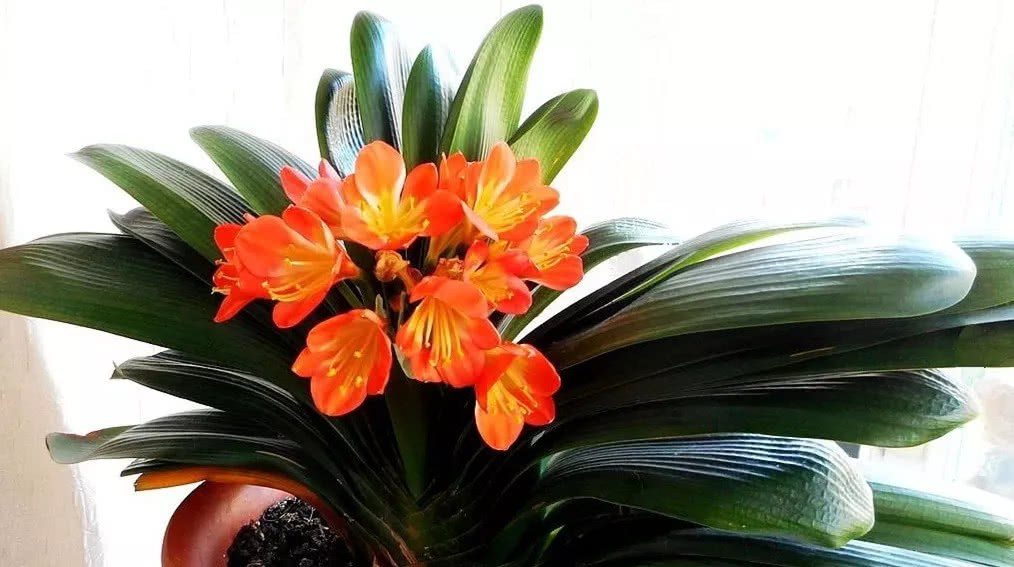
When it comes to clivia, surely many flower lovers are familiar with it. This flowering plant has an outstanding temperament, carries a noble, gentlemanly air, and its blooms are bright and striking, with high ornamental value.
But recently the editor keeps receiving private messages like this; many people are very curious why other people's clivias grow so fast, while their own never show any movement at all. What exactly is the problem?
In fact, the reasons come down to nothing more than the five points below. See which situation your own clivia belongs to.
1
Stunted growth (plant stagnation)
If your clivia does not grow for several months or even half a year, then you need to consider whether the plant has become stunted.
If the clivia is stunted, you can take some baijiu and mix it evenly with clean water at a ratio of about 1:1000, then slowly pour it into the flower pot. Basically, after about a week, the clivia can recover its growth.
2
Insufficient fertilizer
If the clivia grows slowly, it is very likely a problem of insufficient nutrients in the soil inside the pot. At this point, you need to fertilize the plant to supplement nutrients.
Normally, apply once or twice a month. During the clivia's growing season, you can increase the frequency of fertilizing the plant, applying fully decomposed organic fertilizer about once every ten days.
3
Forgetting to repot
In the process of caring for clivia, if you do not repot and change the soil for a long time, it is very easy for the roots inside the soil to become too densely distributed, affecting the plant's normal respiration.
Therefore, the best solution is to repot the clivia about once every two years, and you can properly prune off the poorly growing parts of the root system to stimulate the roots to sprout again.
When repotting, it is recommended to replace the soil in the pot as well. You can use leaf mold, garden soil and sand, mix them evenly at a ratio of 3:2:1, and then use this soil to care for the clivia, which is quite beneficial to the plant's growth.
4
Insufficient light
By nature, clivia belongs to a plant variety that relatively loves sunlight. Only in an environment with sufficient light will clivia speed up its growth and become healthier and more robust.
In high-temperature weather, many flower lovers place it in a cool spot indoors because they are afraid the clivia will get sunburned. Little do they know that this is instead unfavorable to the clivia's normal growth, and no wonder the plant's growth is poor.
In weather with excessively high temperatures, be careful not to shade the clivia too much either; you can place it in a spot with diffused light for care. On ordinary days when the temperature is suitable, you must ensure at least six hours of sunlight exposure per day. This is the method most beneficial to clivia growth.
5
Root rot
Sometimes the reason the clivia never grows is very likely that its root area has been damaged, which then affects the plant's growth rate.
If none of the above four points apply to you, then you need to consider whether it is this reason. You can first withhold water from the clivia for two to three days, and after the soil in the pot becomes soft and dry, carefully take the clivia out of the pot together with its roots.
Carefully observe the state of the clivia's root system, cut off the rotten and weak roots, then apply some carbendazim to the wounds, and afterward put it back into the pot to recover for one to two weeks. Only after the clivia recovers its growth can you carry out normal care for it.
If you also like growing flowers, then follow us!