Is symbiotic cultivation of orchids with bacteria reliable? Let's hear what orchid-growing experts say
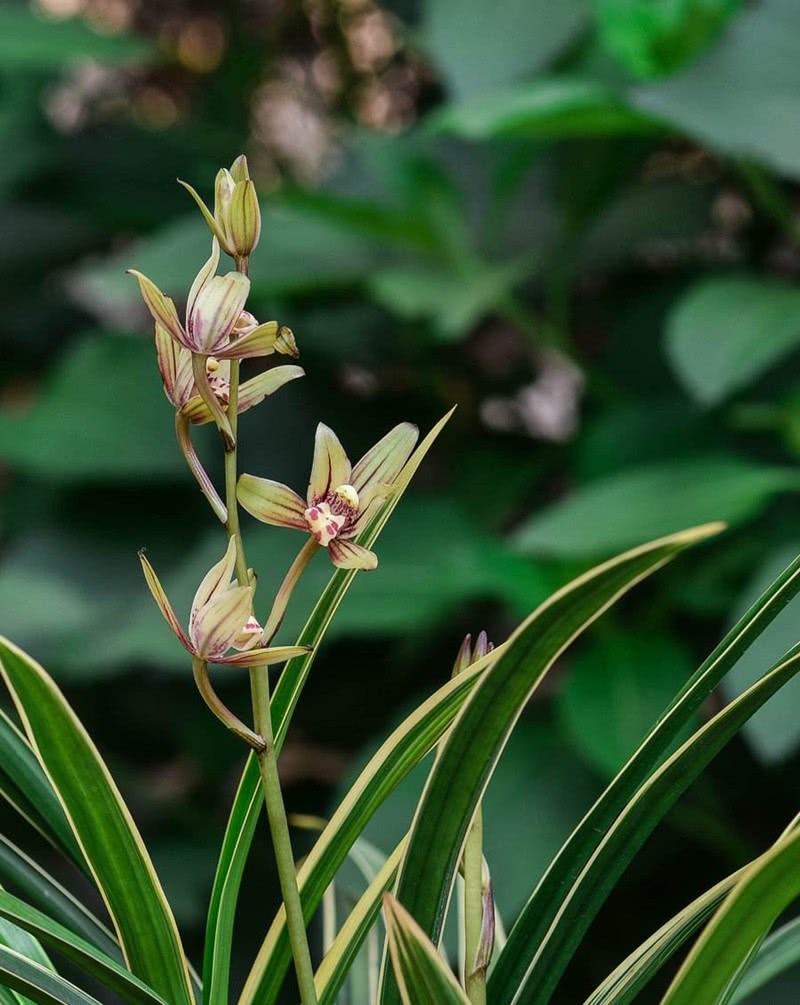
When growing orchids, novice orchid owners are constantly exploring new methods, and many of them are used improperly, causing the orchids at home to rot and get diseased, which is a pity to hear. Recently, the little gardener saw a "folk remedy" for growing orchids, using "bacteria" to grow orchids. At the mention of the word "bacteria," many veteran orchid enthusiasts also find it interesting. Let's take a look together.
1. Growing orchids relies on "bacteria"
In fact, orchid owners who have done their homework know that orchids rely on "orchid bacteria" to grow and transport nutrients. These bacteria are of course mainly beneficial bacteria, not harmful bacteria. So this orchid owner's method is to use some small tricks, attempting to increase these beneficial bacteria to achieve the goal of making orchids grow vigorously and bloom properly. Thus, he developed "EM bacterial water."
2. Making homemade "bacterial water" to grow orchids
The so-called "EM bacterial water" is actually fermented by him using EM mother bacteria. First, prepare 10 grams of EM solid mother bacterial strain, then add 50 grams of brown sugar, then add 1000 grams of water, then put it into a bottle, seal it, shake it to distribute it more evenly, and then let it slowly ferment. He says you still have to open the lid once a week to let it breathe. At first it will smell a bit bad, and when the smell becomes a sweet-and-sour fragrance, this EM bacterial water is ready to use.
How do you use this so-called "EM bacterial water" to grow orchids? Of course it has to be diluted. He says he has tried different concentrations, and between 500-1000 times is very safe. Diluted 300 times, orchids will show yellow leaves and scorched tips, so this water must be diluted more than 500 times before use. It can be used to water the roots and spray the leaves. With it, not only can you supplement fertilizer, but you can also reduce tormenting problems such as scorched tips, rotten sheaths, and rotten hearts.
3. Ready-made "orchid bacteria"
This method, in fact, the little gardener has not tried. Hearing orchid enthusiasts say this, I also only half understand. Has any orchid owner experimented with this method? I believe many people are quite unfamiliar with the name "EM mother bacteria," but the little gardener is not worried. I have something else that can replace this type of bacteria, another kind of "bacteria."
When caring for orchids, we can use microbial organic nutrient solution. It is an organic nutrient solution fully fermented from sugarcane molasses, and it also contains "live" bacterial strains, which are beneficial bacteria. Using it to grow orchids can not only promote absorption, but also provide the potassium fertilizer and nitrogen fertilizer needed for strong roots and the phosphorus fertilizer needed for blooming. So novice orchid owners can just use this directly, diluted 500 times, once every 1-2 weeks, and the effect is great.
Actually, this is also the first time the little gardener has heard of this method, and it still needs to be investigated. Experienced orchid owners, could you explain it to us? Is using this thing to grow orchids really reliable? Besides the dilution ratio, what other issues should be noted? The little gardener and the broad community of orchid owners are all waiting for your answer.