A Detailed Guide to Clematis Cultivation Methods, Even Beginners Can Grow It Well
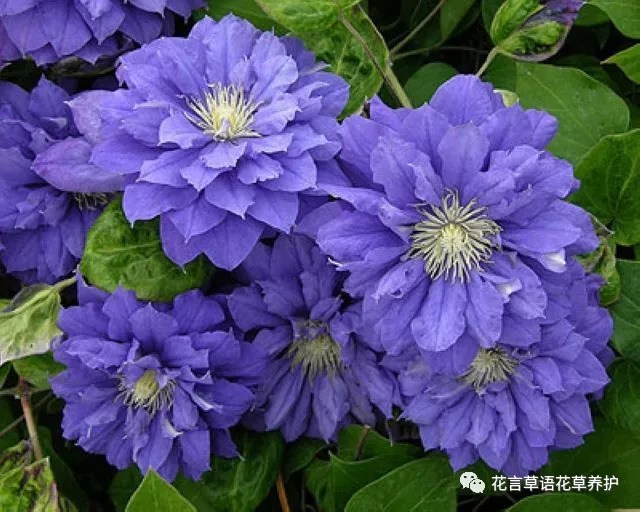
Clematis is a very easy plant to grow. It is easy to grow because clematis can grow very well with almost no need for much care. Many gardening enthusiasts have reported that clematis is difficult to grow and maintain. Here I summarize a few key points from my experience cultivating clematis:
Repotting
Here I do not particularly recommend that everyone use plastic pots. For a flowering plant like clematis whose care focuses on the root system, a good root micro-environment often plays a decisive role in the overall performance of the plant. Growing clematis in clay pots has very obvious advantages over plastic pots.
Watering
For short periods of water shortage, clematis will not have any major problems. If your clematis is grown in a location with abundant sunlight and relatively open, well-ventilated conditions, still be careful not to let clematis go too long without water. "Dry when dry, wet when wet" is a very effective approach for cultivating plants with strong root systems.
Fertilizing
For fertilizing clematis, you can mix your own water-soluble fertilizer. The formula is based on 13-2-13 with some added ammonium nitrogen and increased levels of phosphorus, sulfur and other trace elements. I have previously seen some gardening enthusiasts use large amounts of organic fertilizer and cause fertilizer damage. Here I do not recommend that enthusiasts without experience using organic fertilizer use large amounts of organic fertilizer. I suggest everyone start with low-concentration water-soluble fertilizer and slowly become familiar with the mechanism by which plants absorb nutrients.
Pests and Diseases
Clematis has relatively strong resistance to pests and diseases, and serious pest or disease damage rarely occurs. Diseases include wilt, which is especially likely to occur in summer when it clears up after rain.
Cuttings
In July-August, take semi-mature branches and cut between the nodes (that is, cut in the middle between the upper and lower nodes; the node has 2 buds). Use a medium of half peat and half sand. The cutting depth is until the buds on the node are just exposed above the surface. Bottom temperature 15-18°C. After rooting, pot into 3-inch pots and overwinter in a frost-protected hotbed or greenhouse. In spring, transfer to 4-5 inch pots and move outdoors. In summer, shade is needed to protect against rain showers, and plant out at the end of October.