Don't throw away scallions, ginger and garlic - they have these wonderful uses for growing flowers
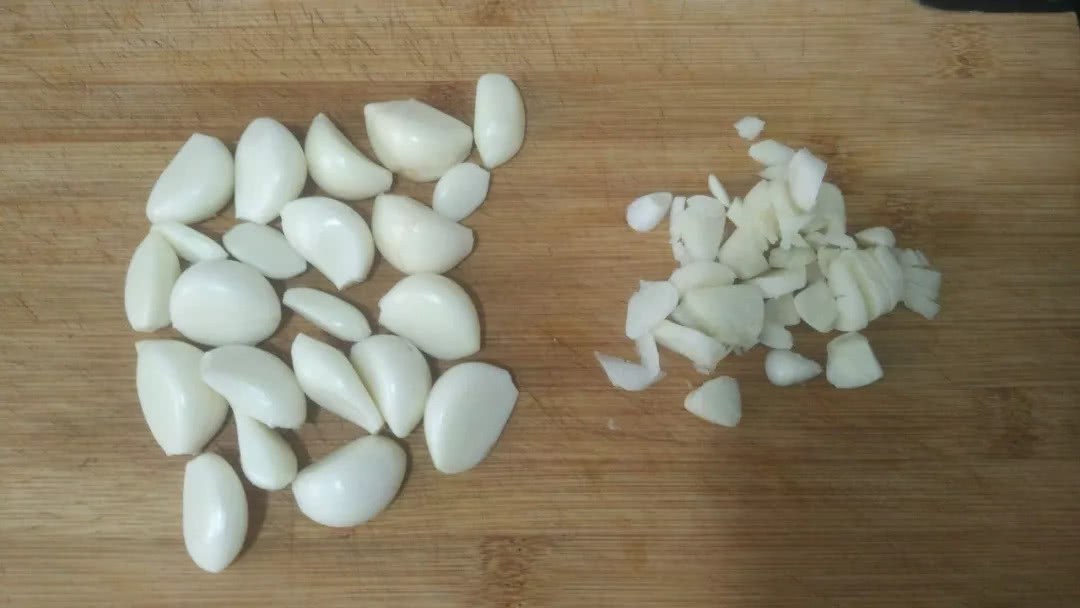
Garlic:
Crush whole garlic cloves and put them in 1 liter of water to soak. The soaking time is 2-3 hours, then use the garlic-soaked water to spray on the affected areas of diseased flowering plants. Garlic water is mainly used to prevent and control leaf spot disease, anthracnose and aphids.
Scallions:
Keep the white part of the scallions and crush them into water. Soak for about one day, then use the scallion water to spray on the roots and leaves of the plants. It can prevent powdery mildew and aphids.
Ginger:
Crush ginger, then soak it in water for 5-6 hours, and spray it on flowering plants to treat pythium rot.
Chives:
Crush chives and soak them in water. Using chive water to spray plants can treat plants covered in aphids.
Essential balm:
Dilute essential balm 500 times, then spray it on the leaves and stems of flowering plants to prevent aphids and red spider mites.
Black vinegar:
Dilute edible vinegar with water 300 times and spray it on the branches and leaves of plants to prevent black spot disease, downy mildew and powdery mildew. Not only can it prevent these fungal diseases, but edible vinegar can also increase the chlorophyll content of flowering plants, thereby promoting plant growth.
Cigarette water:
Soak tobacco shreds in water - about 5 cigarette butts per cola bottle. After 12 hours, use the water to spray plants to prevent the breeding of aphids and red spider mites.
Miconazole nitrate cream:
Miconazole nitrate cream can not only treat fungal diseases on the human body surface, but can also have a therapeutic effect on plants. It is mainly used for black spot disease, leaf spot disease and gray mold. When applying, the area should be large. Another benefit of using this type of medication is that it can prevent fungal diseases from spreading to other plants.