Taking it with medicine is like taking poison; this medication contraindication chart should have been in everyone's hands long ago
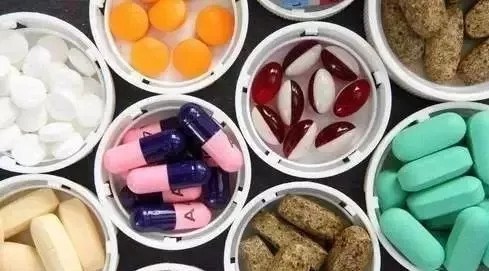
When you are sick, you take medicine to let it work as well as possible and help your body recover.
But medicine is not something you just swallow with your head tipped back; there is a great deal of knowledge behind how to take it.
According to a report in Yangcheng Evening News, at least 200,000 people in China die each year from improper medication!
This is no scare tactic. You only have one life, and dying because of taking medicine would be too tragic.
Professor Zhang Jichun, chief pharmacist at Peking Union Medical College Hospital and a 70-year-old pharmaceutical expert
once gave several examples at a safe medication training session:
A cucumber that was not washed clean caused diarrhea, and rushing to use an anti-diarrheal drug ended up killing the person; when his half-year-old son had a cough, the father took half a tablet from his own codeine, crushed it, and fed it to the child, causing respiratory depression and death in the child... (according to Beijing Youth Daily)
So it is crucial for all of us to understand what we cannot eat while taking medication. This can not only prevent drugs from losing effectiveness, but also prevent reactions between drugs and food that cause poisoning!
1
Stomach medicine
[Smoking]
Most drugs for treating gastric ulcers are acid-suppressing drugs, such as prazole drugs, and the nicotine in cigarettes lowers the pH of gastric acid, causing the effective concentration of acid-suppressing drugs to drop and affecting their effectiveness.
At the same time, these drugs are all required to be taken on an empty stomach, while smoking causes blood vessels to constrict, delays gastric emptying time, and slows the absorption rate of the drug in the small intestine, thereby affecting ulcer healing.
[Vinegar]
Vinegar is an acidic seasoning, and it is most important not to take it with alkaline drugs, such as anti-acid drugs like Weishuping and Daxi. Their main ingredients are alkaline substances such as sodium bicarbonate, calcium carbonate, and aluminum hydroxide. If acidic foods such as vinegar are eaten before or after taking the medicine, the two can easily undergo a neutralization reaction and cancel out the drug's effectiveness.
[Milk]
Bismuth agents, which are gastric mucosal protective drugs, can form a protective film under the action of gastric acid, promoting the repair and healing of ulcer tissue. Milk contains protein, fat, and so on, and after consumption will hinder the formation of the bismuth agent's protective barrier, affecting the drug's therapeutic effect.
[Tea]
Digestive aids such as pepsin, amylase, pancreatin, yeast tablets, and lactasin are enzyme preparations that belong to protein compounds and are unstable in nature. The polyphenols in tea easily combine with biological enzymes and reduce enzyme activity, lowering the drug's effectiveness.
2
Nemesis of traditional Chinese medicine
[Sugar]
Unless the doctor specifically says otherwise, you generally should not eat sugar when taking traditional Chinese medicine. For example, some stomach-strengthening traditional Chinese medicines rely on bitterness to stimulate digestive glands and promote the secretion of digestive juices to achieve their therapeutic effect.
The complex chemical components of traditional Chinese medicine, including proteins and tannins, can react chemically with sugar, especially brown sugar containing elements such as iron and calcium, causing some active ingredients in the medicine to coagulate, denature, become cloudy, and precipitate. This not only affects the drug's effectiveness but also harms health.
[Radish]
Tonic traditional Chinese medicines nourish the whole body's qi, blood, yin, and yang by tonifying qi, while radish has the effect of breaking qi and will greatly weaken the tonic effect. Therefore, during the period of taking tonic traditional Chinese medicines, avoid eating radish.
[Tea]
Most tonic traditional Chinese medicines contain saponin components. The tannic acid in tea combines with active ingredients such as ginsenosides and deer antler saponins to produce precipitates, destroying the active ingredients of the tonic. In addition, decoctions containing traditional Chinese medicines such as coptis, phellodendron, ephedra, corydalis, and stephania, when taken with tea, will also reduce the drug's effectiveness.
3
Nemesis of sleeping pills
[Strong tea, coffee]
The caffeine in tea leaves and coffee excites the nerves, while sleeping pills (diazepam, nitrazepam, chloral hydrate, phenobarbital, etc.) calm and induce sleep. Their effects are opposite, so they absolutely cannot be used together. Of course, besides coffee and strong tea, other beverages containing nerve-exciting ingredients should also not be drunk.
4
Nemesis of antipyretic-analgesic drugs
[Coffee]
If you are taking antipyretic-analgesic drugs such as ibuprofen or Fenbid, do not drink coffee, because these antipyretic-analgesic drugs irritate the gastric mucosa, while the caffeine in coffee stimulates gastric acid secretion and aggravates irritation to the gastric mucosa. Using the two together can induce gastric bleeding and gastric perforation.
[Aspirin - alcohol, fruit juice]
After alcohol enters the human body, it needs to be oxidized into acetaldehyde and then further oxidized into acetic acid. Aspirin hinders the oxidation of acetaldehyde into acetic acid, causing acetaldehyde to accumulate in the body, which not only worsens fever and generalized pain symptoms but also easily causes liver damage. Fruit juice, meanwhile, intensifies aspirin's irritation of the gastric mucosa and induces gastric bleeding.
[Ibuprofen - coffee, cola]
Ibuprofen (Fenbid) is highly irritating to the gastric mucosa. The caffeine contained in coffee and the coca alkaloid contained in cola both stimulate gastric acid secretion, so they aggravate ibuprofen's toxic side effects on the gastric mucosa and may even induce gastric bleeding and gastric perforation.
5
Nemesis of blood pressure-lowering drugs
[Salt]
High blood pressure is a disease caused by too much sodium in the body, leading to water and sodium retention. Therefore, the essence of high blood pressure treatment is to excrete sodium and water. Blood pressure-lowering drugs can indeed allow a certain amount of sodium to be excreted from the body, but if you eat too salty food while taking the medicine and take in a large amount of sodium, the blood pressure-lowering drug will be "too busy to cope," and blood pressure will likely "jump up and down" and be poorly controlled.
[Grapefruit]
Grapefruit contains a chemical substance called furanocoumarin, which can affect the function of an enzyme in the human liver, greatly reducing this enzyme's metabolism of drugs and leading to an increase in blood drug concentration in the body.
At the same time, another component in grapefruit, naringenin, speeds up the intestinal absorption of drugs. If the drug is absorbed too quickly and metabolized too slowly, the drug concentration in the blood will become too high.
If blood pressure-lowering drugs and grapefruit are taken at the same time or too close together, the symptoms that appear are often reactions to drug overdose, including decreased blood pressure, slowed heart rate, and in severe cases even shock. Therefore, doctors recommend that during the period of taking blood pressure-lowering drugs, it is best not to eat grapefruit or drink grapefruit juice.
[Coffee]
When taking diuretics with blood pressure-lowering effects such as hydrochlorothiazide and furosemide, drinking coffee, which also has a diuretic effect, will increase the diuretic effect and easily cause excessive loss of sodium ions in the body.
6
Cold medicine
[Sweet foods]
Eating too many sweet foods will cause a large amount of sugar to enter the blood. To metabolize this sugar, the body will consume a large amount of vitamins, especially B vitamins, reducing vitamin levels in the body or even causing deficiency. Since most of these vitamins participate in the metabolic process of nutrients in the body, eating more sweet foods instead makes the patient's appetite even worse.
In addition, after the sugar in sweet foods enters the human body, it can promote cortisol secretion. Cortisol has an inhibitory effect on the immune system. Moreover, during metabolism, these sugars produce large amounts of acidic substances such as pyruvic acid and lactic acid, which can greatly reduce the body's resistance. At the same time, sweet foods also increase the viscosity of phlegm, which is not conducive to recovery.
Experiments show that when a cold medicine containing acetaminophen is taken on an empty stomach, it generally takes only 20 minutes to reach the highest blood drug concentration, while when there are sugary foods in the stomach, drug absorption is delayed by 2 hours, affecting its effect. So when you have a cold, do not consume sweet foods and sweet drinks.
7
Nemesis of antibiotics
[Soy sauce]
Soy sauce is generally made from soybeans and is rich in metal ions such as calcium and magnesium. It easily combines with antibiotics such as tetracyclines to form complexes that are not easily absorbed by the gastrointestinal tract, greatly reducing the antibacterial effect.
[Milk]
Some antibiotics, such as tetracyclines, can form chelates with the calcium ions in milk, making them difficult to absorb by the intestinal tract and reducing antibacterial efficacy.
[Vinegar]
Some antibiotics, such as gentamicin, kanamycin, and erythromycin, are easily degraded or not easily dissolved in an acidic environment, thereby reducing drug effectiveness.
[Fruit juice]
The fruit acids rich in fruit juice (especially fresh fruit juice) accelerate the dissolution of antibiotics, not only reducing drug effectiveness but possibly also generating harmful intermediate products and increasing toxic side effects.
8
Nemesis of anti-allergy drugs
[Meat, dairy products]
Spring is a high-incidence season for allergies, and many people start taking anti-allergy drugs such as chlorpheniramine and diphenhydramine. Be sure to note that during the period of taking anti-allergy drugs, try not to eat or eat less meat products, dairy products, and other foods rich in histidine.
This is because histidine is converted into histamine in the body, while anti-allergy drugs inhibit the breakdown of histamine, causing histamine accumulation and inducing uncomfortable symptoms such as dizziness, headache, and palpitations.
9
Nemesis of anti-diarrheal drugs
[Milk]
When taking anti-diarrheal drugs, you must not drink milk. This is because milk not only reduces the effectiveness of anti-diarrheal drugs, but the lactose it contains also easily worsens diarrhea symptoms.
[Berberine - tea]
Tea contains about 10% tannins. Tannins break down into tannic acid in the human body, and tannic acid precipitates the alkaloids in berberine, greatly reducing its effectiveness. Therefore, within 2 hours before and after taking berberine, you must not drink tea.
10
Active enzyme drugs
[Hot water]
Active enzyme drugs are mainly the active ingredients of digestive aids such as multienzyme tablets. Enzymes, as active proteins, coagulate and denature when encountering hot water and lose their proper digestive aid effect. Therefore, when taking multienzyme tablets, it is best to take them with low-temperature water.
11
Other common drugs
[Milk - cardiac stimulants]
Cardiac stimulants, such as digoxin and digitoxin, are used to treat chronic heart failure. When taking the medicine, if you also drink a large amount of milk, the calcium ions in milk can increase the toxicity of these drugs and may even cause accidents.
[Milk - iron-containing drugs]
Iron-containing drugs. The calcium ions in milk can compete with iron agents at the duodenal absorption site, reducing iron absorption and lowering therapeutic efficacy.
[Milk - anti-Parkinson's disease drugs]
Anti-Parkinson's disease drugs, such as levodopa. Milk can break down into large amounts of amino acids in the intestinal tract, which will reduce the intestinal absorption of levodopa and lower therapeutic efficacy.
[Tea - anemia treatment drugs]
Anemia treatment drugs (ferrous sulfate), calcium preparations such as zinc gluconate and calcium gluconate, and aluminum hydroxide for treating gastric ulcers all contain metal ions and may react with the tannic acid in tea, reducing drug effectiveness. They can also irritate the gastrointestinal tract, causing abdominal pain and constipation.
12
Nemesis of all medicines
[Alcohol]
In traditional Chinese medicine, alcohol is used in medicinal preparations, but this is completely different in Western medicine. It can be said that alcohol is the "greatest nemesis" of all Western medicines!
[Smoking]
Many people do not know that you must not smoke within 30 minutes after taking any medicine. This is because nicotine speeds up the liver's degradation of drugs, leading to insufficient blood drug concentration and making it difficult for the drug to fully exert its effect. Experiments confirm that smoking within 30 minutes after taking medicine reduces blood drug concentration to about 1/20 of that when not smoking.