The 5 most common mistakes in succulent pot care, are you doing it right?
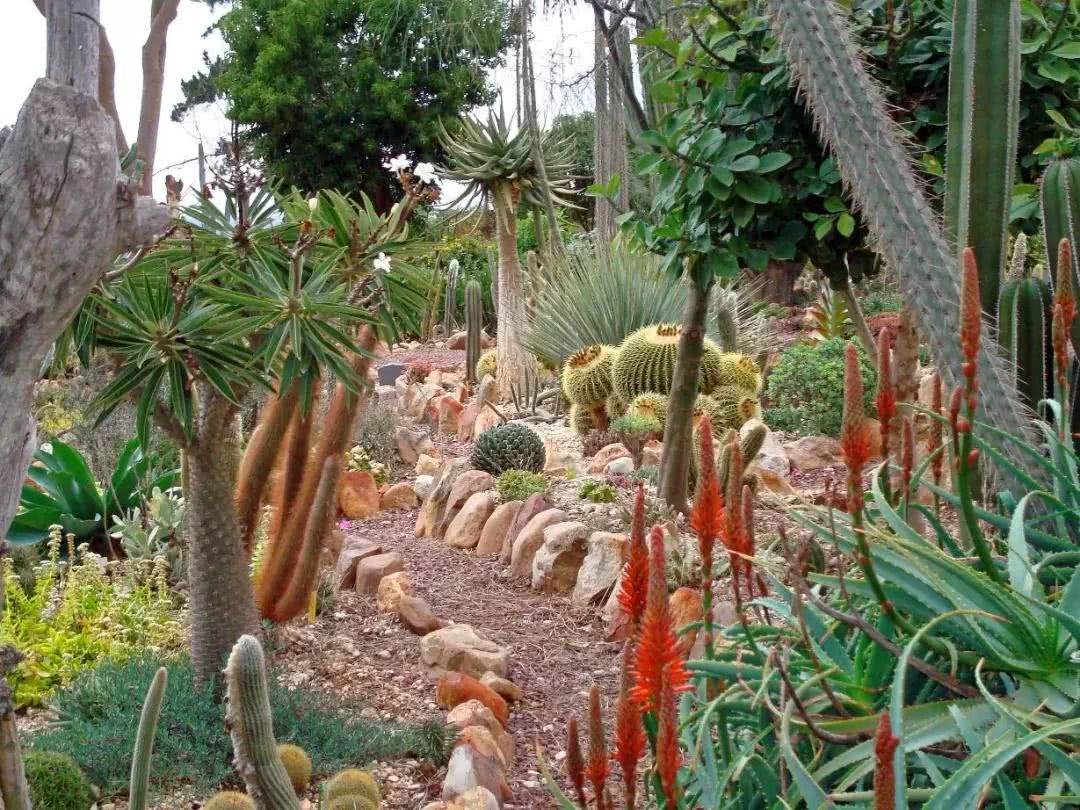
Why is it that some friends have done their utmost to care for their potted succulents, yet their succulents still keep developing yellow leaves and constantly dropping leaves, and in severe cases the entire plant rots? It is very likely because during your care you fail to do the following five things well.
First you need to choose suitable varieties. If you are caring for succulents for the first time, you must choose some succulents that are relatively easy to grow, such as the common Monilaria moniliforme, Sempervivum tectorum (hens and chicks), Sedum adolphii 'Golden Glow', Sedum 'Autumn Joy', Bryophyllum pinnatum (air plant), Kalanchoe fedtschenkoi, Portulacaria afra (elephant bush) and Crassula ovata (jade plant), etc.
Most succulents grow in desert regions and like a warm, dry environment all year round. The growing location must stay ventilated and well lit, and watering must be controlled. Before each watering, check whether the soil has dried out completely, and when watering do not pour water directly onto the leaves or the center of the leaf rosette, otherwise it easily causes the leaves to rot.
Many people kill their succulents by watering too frequently. Too much water easily causes yellow leaves and constant leaf drop, and in severe cases leads to root rot.
1. Growing location
The best location for growing succulents is a balcony facing east or south; they can also be placed on a windowsill. It is best not to grow them in a shaded, enclosed indoor space. Succulents are not really suited to being grown indoors, except for some varieties with relatively hard leaves.
Growing potted succulents requires keeping plenty of light every day, with more than 6-8 hours of direct sunlight daily. However, in summer when the temperature is too high and the sunlight is relatively strong, appropriate shading is needed. In summer, potted succulents can be placed where there is direct sunlight in the morning or evening, and exposure to blazing sun at noon and in the afternoon should be avoided.
If you grow them on a balcony or windowsill, in summer you can pull up a shade net, increase ventilation and control watering, so that the succulents can safely get through the summer.
2. Control watering
When growing succulents, you must wait until the soil has dried out completely before watering thoroughly, to avoid excessive water causing leaf rot and root rot.
Watering succulents requires special care. Do not spray water directly with a watering can; pour the water directly onto the soil surface at the edge of the pot, slowly watering thoroughly, and do not pour water into the center of the leaf rosette.
3. Prepare suitable soil
When growing succulents, never use yellow clay soil or garden soil. You can use the most common succulent-specific soil, such as the common peat moss mixed with perlite at a 2:1 ratio, and you can appropriately add some decomposed wood chips or coconut coir.
When planting succulents, if their roots and stems are relatively old, you can add some granular soil, such as the common akadama or pumice.
4. Notes on combined plantings
Many people like to buy succulents online, but if they have not bought pots and soil in time, they like to plant many kinds of succulents together, cramming them into one pot, which is actually very unsuitable for beginners.
If you want to plant succulents together, you must choose varieties with similar growth habits. Some succulents go dormant in summer and grow in autumn and winter, while some succulents go dormant in winter and grow in spring and summer. Based on the plants' requirements for light, water and temperature, then consider whether to plant them together.
5. Choose beginner succulents
If you cannot even keep the common plants alive, then you can choose some cactus varieties.
For example, the common Cereus repandus (peruvian apple cactus), Euphorbia tirucalli (finger cactus), Mammillaria gracilis fragilis (thimble cactus), Mammillaria elongata (golden fingers), Mammillaria hahniana (old lady cactus) and Mammillaria 'Golden Star', etc. They are all especially drought-tolerant and sun-tolerant.