Succulent Care Guide for the Rainy Season: How to Become a Guardian Angel for Your Succulents?
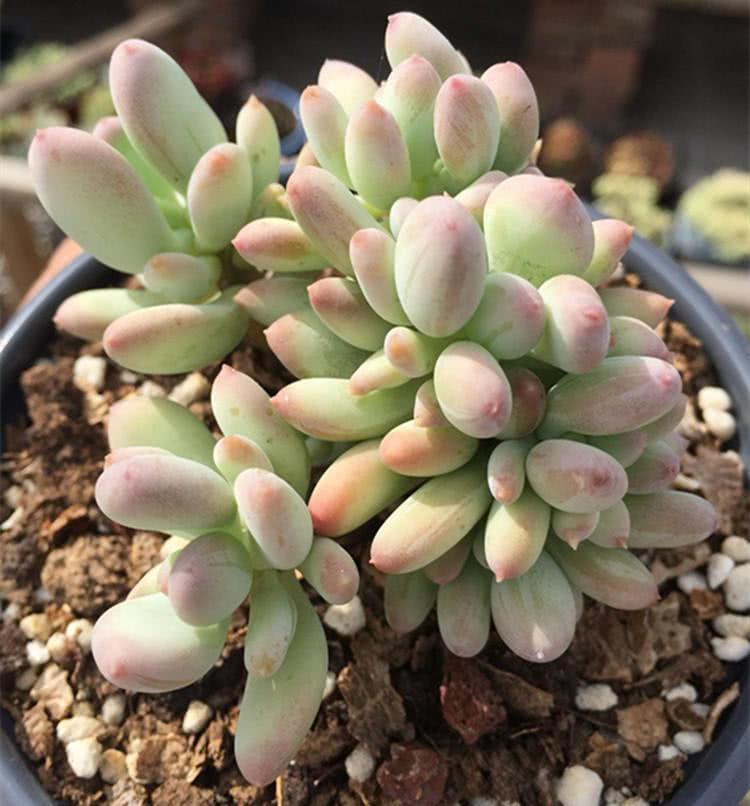
Gazing at the fine rain drifting outside the window, watching the water droplets left by raindrops streaking down the glass, this is the rainy season at the turn of the seasons. Succulents planted outdoors are being battered by the rain.
Watching the endless drizzle day after day, some people start to complain, complaining about the cold and gloomy weather, complaining about the damp air. The rainy season arrives so abruptly. So what big moves should we make for our succulents during the rainy season?
As we all know, all living things cannot grow without light, so light is an essential factor in succulent growth. Succulents love full sun. Of course, the light I am talking about does not mean the scorching sun. These past few days, many places across the country have had several consecutive days of rain, and the light intensity is insufficient. When light is insufficient, succulent leaves turn pale and are prone to growing leggy, the stems stretch out longer and longer, and the leaves become loose and sparse. So on consecutive rainy days, you need to learn to observe your succulents, and as soon as there is any change, immediately apply a remedy.
If you don't do stupid things, you won't get stupid results. The rainy season is long, and we cannot let our succulents drink rainwater every day to replenish their energy. Letting them get rained on once or twice occasionally is fine. If you just let them sit in the rain for days and weeks on end, wouldn't your conscience hurt? So succulents can be rained on, but you cannot treat getting rained on as watering. Getting rained on is just exercise for your succulents! People get sick after being in the rain too long, and succulents are the same!
If you are not careful and let your succulents stay in the rain for a long time, then afterward they will have aftereffects. Usually the leaves start to turn to mush, and in severe cases black spots appear and then the leaves turn to mush. The appearance of black spots is a real headache; it is usually black spot disease, and it can spread to neighboring succulents. So besides sheltering our succulents from the rain and improving their living environment, we also need to spray some medication on them for prevention and treatment. Just so we don't leave behind future problems.
Finally, let's talk about whether succulents that are not outdoors, that is, not exposed to rain, need watering during consecutive overcast and rainy days. Actually, during days of continuous rain, it is just that the growing environment of the succulents has changed. One is insufficient sunlight, and the other is increased humidity.
When light intensity is relatively low and humidity is relatively high under such conditions, the frequency of watering can be less frequent, because succulents dry out more slowly. The amount of water when watering should also be reduced a bit, because there is air humidity as a supplement.