Clivia hard to bloom? Swap in leaf mold soil for more blooms and a longer flowering period
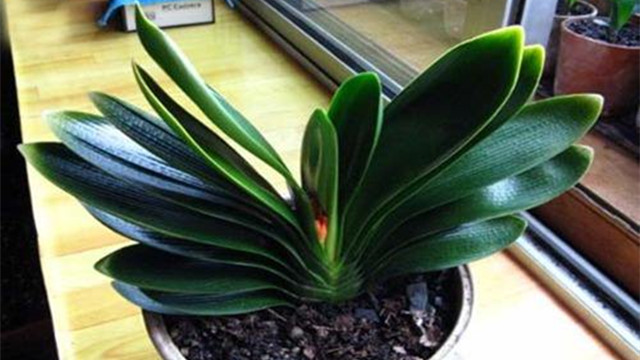
In the world of flowers there are a few "queens of aloofness" that are truly hard to get to bloom. Take the clivia, for example: some flower lovers have grown one for years and it still only produces leaves without blooming, and even when it does bloom, the flower stalk can get stuck (a condition known as "arrow clamping"). I also have a friend whose bougainvillea went 2 years without blooming. Sometimes the soil itself simply needs replacing, and no matter how much you water, it won't help. The important thing is to change the soil first!
The roots of the clivia grow larger as the plant grows, and at that point it needs new soil and a new pot. If a clivia has been grown for several years without blooming, it's very likely that the original soil simply has too few nutrients left and can't support the clivia in sending up buds and flowering. In that case, swapping in some leaf mold soil can improve the situation.
It's best to change the soil in spring or autumn, when the temperature is relatively cool, so that watering after repotting won't easily lead to black rot. Another factor that causes clivia not to bloom is light intensity that is too strong. If a clivia is left exposed to the sun for long periods, the intense light will scorch the leaves, and then it definitely won't bloom. It's best to grow clivia in diffused light, as only then will there be a chance of blooming over time.
I just mentioned my friend's bougainvillea that didn't bloom for 2 years. Actually, bougainvillea counts as a fairly easy-to-grow flowering plant. If yours hasn't bloomed either, it's time to start considering the watering issue.
Although bougainvillea is a plant that likes water, too much watering can also cause it to grow only leaves without blooming. We can slightly reduce the amount of water, and after a while you'll find the bougainvillea starting to sprout small buds! In addition, bougainvillea needs plenty of light, so remember to let it sunbathe every day, and it will grow even better!
Jasmine, with its pure white color and delicate fragrance, is a very popular flowering plant. But often it can be a bit difficult to get the jasmine at home to bloom. What exactly is the reason? Jasmine itself is a southern plant that prefers acidic soil. If it's grown in the north and won't bloom, consider slightly neutralizing the acidity or alkalinity of the growing soil.
Secondly, jasmine is a light-loving plant. The more sunlight it receives, the better it grows, and naturally its blooms will be bigger and more fragrant. So remember to give jasmine plenty of light every day.
Sometimes the flowers we grow at home won't bloom because of a problem with everyday care, and sometimes it's simply because the growing soil needs replacing. Everyone can figure out the problem based on their own plant's situation. I look forward to every flower lover's beloved plants producing big, plump buds!