Aloe leaves going soft: what to do, and should you keep it in the bedroom? Explained all at once
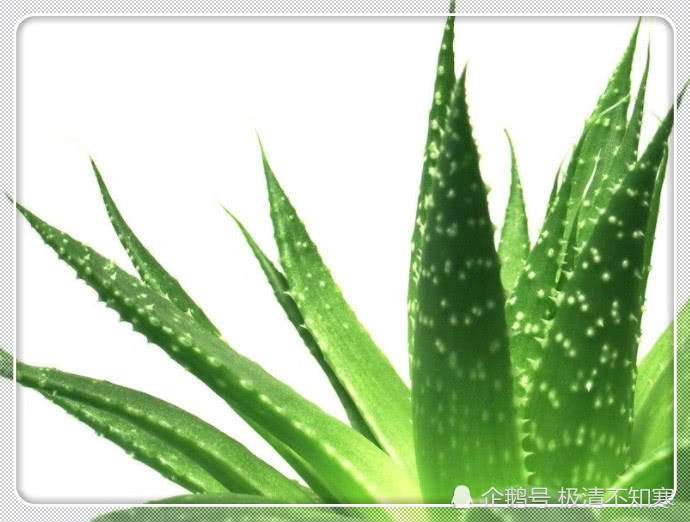
There are many methods for caring for aloe, and among the many questions raised by gardening enthusiasts, two areas come up most often in their inquiries. Today, the editors will walk you through them.
The first question is: is aloe suitable for placing in the bedroom? The second question is: what causes aloe leaves to go soft and even turn yellow? So today let us share together. First, the first question: aloe is a succulent plant in the Liliaceae family, genus Aloe. Besides aloe, the succulents and cacti everyone is familiar with also belong to the succulent plants.
The most obvious feature is the leaves, thick and juicy, mainly to suit the climate characteristics of drought and little rain. The metabolic process of succulent plants is rather special: they open their stomata at night when it is cool, absorbing carbon dioxide at the same time, and then synthesize malic acid through acidification.
Then during the day they close their stomata and carry out photosynthesis using the carbon dioxide released by breaking down malic acid. This metabolic process we call Crassulacean acid metabolism. Therefore, aloe does absorb carbon dioxide at night, so it can be placed in the bedroom.
The second question: leaves going soft and even turning yellow. First observe whether root rot has occurred. If the roots are rotten, the leaves will show softness and yellowing. Overwatering easily causes root rot; on the contrary, underwatering can also cause the leaves to go soft.
It may even be accompanied by curling leaves. Water with care: during the growing season, keep the potting soil slightly moist. Finally, if it is hard to judge, the method of watering thoroughly only after the soil has dried out is relatively safe.