Growing flowers in late autumn: these 2 kinds of water will ruin any flower, yellowing leaves and root rot within a day or two
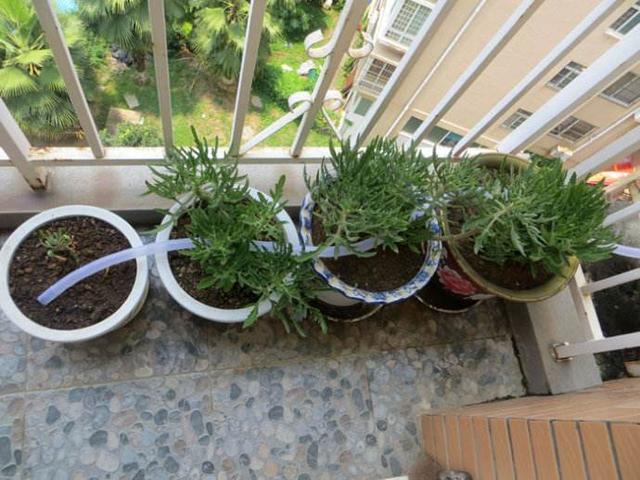
As the weather gets cooler and cooler, this is also the peak growing season for potted flowers. More and more people are growing flowers now, after all, flowers and plants can bring people a good mood and beautify the home environment. Don't underestimate this flower growing, it is actually a branch of knowledge. From cultivation to watering to light and fertilizing, no step can be ignored. Among all the care details, watering is more critical than the other factors. As the saying goes, flowers are killed by watering, so knowing whether you can water flowers properly matters a lot. The "2 kinds" of water below can't be used on any flower, not even easy-to-grow cacti or pothos (Epipremnum aureum), otherwise the leaves will turn yellow and the roots will rot within a day or two.
Half water (yin-yang water)Half water is also called yin-yang water; simply put, it means watering flowers "without soaking through". This is a situation flower growers often fall into, because when watering they always worry about pouring too much at once, so they stop halfway. What harm does watering with half water over the long term do? To put it plainly, it causes the bottom roots of the potted flower to shrivel and die, which then leads to yellow leaves and dead branches. Some growers may ask, how can you make sure the water has soaked through? It's actually very simple. Two methods: first, observation. Basically all flower pots on the market have holes in the bottom. When watering, pour along the edge; if you see water seeping out from the bottom, it means the water has soaked through. Second, the touch method. When the watering water seeps along the edge of the pot, the temperature of the pot wall drops, and it feels cool to the touch; if the bottom of the pot is cool, it means the water has soaked through. If you can't tell using the two methods above, it means the potting soil has become compacted and needs to be replaced with nutrient soil in time.
Unfermented fertilizer waterThe fertilizer water mentioned here includes: rice washing water, soybean water, soy milk, vegetable washing water, etc. Watering flowers with these substances is beneficial, after all, they all contain quite a few nutrients that flowers need. But there are many finer points to using them instead of tap water to water flowers, and you need to pay extra attention. Be sure to ferment them before use. If not fermented, they can easily give off heat in the flower pot, raising the temperature of the potting soil environment, directly burning the roots of the potted flower, causing the root cells to rupture, and root rot will soon occur. In severe cases, the potted flower may show yellow leaves and dead branches within a day or two. No matter which kind of fertilizer water you use for watering, the fermentation step must not be skipped, and the fermentation process is easy to do. Seal the fertilizer water up, and after about two weeks you can take it out to water the flowers.
The above is some knowledge shared about watering flowers. Growers need to be careful during the flower growing process. Don't make similar mistakes again, otherwise the flowers won't grow well! Finally, a reminder to fellow growers: the weather is turning cold, remember to add more clothes when you go out. Thank you for reading!
Remember to like and share~