Cold-hardy flowers sown now will bloom for more than 100 days next year
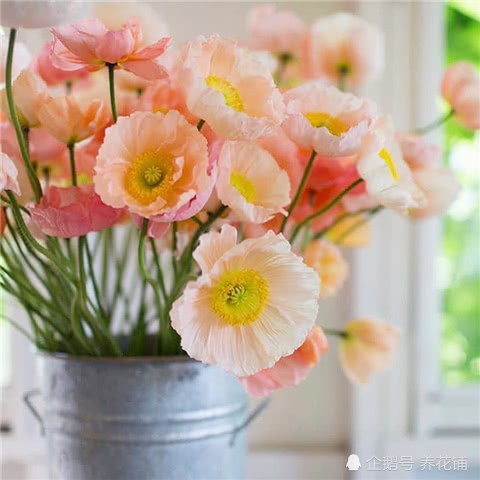
Corn poppy flowers are colorful and varied, with petal upon petal like strands of colored silk. They produce an abundance of blooms, flowering continuously and maintaining a fairly long ornamental period. The plants are highly resistant, with excellent cold hardiness and wind resistance. Propagated by seed, they can bloom successively from spring to autumn. It is recommended to sow from September to October, and they will bloom in early spring the following year.
(1). Corn poppies prefer an environment with ample light, dry and cool air, and good ventilation. The soil should be loose, fertile sandy soil.
(2). Corn poppy seeds require light to germinate, so no covering is needed after sowing. However, to ensure sufficient moisture, you can lightly cover them with a thin layer of vermiculite after sowing.
(3). Corn poppies do not tolerate transplanting and are averse to heat and high humidity. Wait until the seedlings have grown 6 leaves, then transplant on a cloudy day. Water thoroughly at the same time, keep as much of the old soil as possible, and be careful not to damage the roots.
(4). During the growing period, watering should be controlled; water only enough to keep the soil moist. During bud formation and flowering, apply 2~3 rounds of quick-acting fertilizer mainly containing phosphorus and potassium to encourage larger, more vividly colored flowers and extend the flowering period.
(5). After the flowers fade, promptly cut off the spent flowering stems as well as diseased, weak, and dead branches, so the remaining flowers bloom larger and more vividly.