Illegal factories on farmland burn waste and emit exhaust gas; over a hundred residents of Nanshi Village in Linkou petition
Residents of Nanshi Village in Linkou District, New Taipei City, cannot bear the long-term exhaust emissions and burning of unknown objects by the surrounding farmland factories. They have reported the matter to the New Taipei City Environmental Protection Department many times, but have always received the reply that "no open burning of garbage causing black smoke and air pollution that disturbs people was found." A total of eight communities and over a hundred residents in the area have petitioned again, hoping the city government will face up to the air pollution, noise and traffic problems caused by the factories and return to the "farmland for agricultural use" regulation.
On the 29th of last month, four bureaus of New Taipei City - the Agriculture Bureau, Environmental Protection Department, Economic Development Bureau and Urban and Rural Development Bureau - together with the illegal structure demolition team, more than ten people in total, made a large-scale joint on-site inspection. But in the end they only told the residents that when reporting, they could not use an entire stretch of dozens of factories as the scope of the report, and insisted that residents approach the factories and photograph each factory's doorplate, address and appearance one by one before officials could further determine whether they were illegal structures. This left residents utterly helpless: "The violations are visible but unpunishable."
In addition, the bureaus differ in their determination of the land-use regulations for the area. Although the national land planning map states that the area is an "agricultural zone," and the Council of Agriculture's map platform even marks it in red as "illegal factories on farmland," the New Taipei City Agriculture Bureau said it still cannot confirm this, explaining that the matter has now been handed over to land office personnel for processing. Residents could only sigh, "We are just small shrimp, yet we have to fight big whales." Solving the problem of factories on farmland appears extremely difficult.
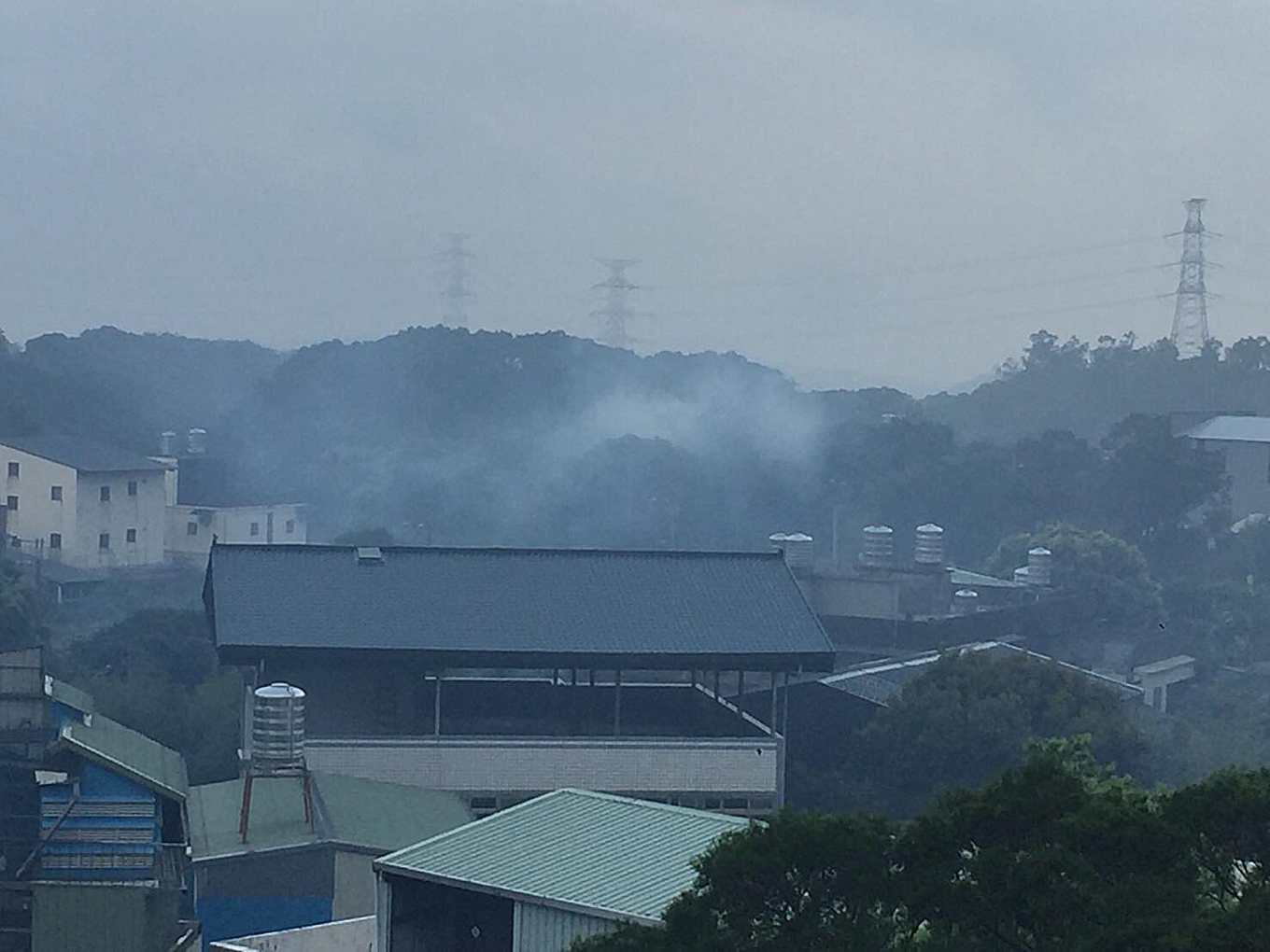
Officials suggest the public "must know how to protect themselves when reporting"
The reporter then called the Public Works Section of the Linkou District Office in New Taipei City. The case officer surnamed Hsu, responsible for land-use zoning application business, responded that the section is only responsible for "land zoning inquiries" and does not interfere with the public's reporting business. She pointed out that the public needs to pay a fee to apply for a land-use zoning inquiry and provide the land's "parcel number," and that the parcel number is different from the address, because the address cannot fully represent the location of the building. "The parcel number is the clearest and won't go wrong." The fee is 100 yuan for five or fewer parcel numbers.
But the parcel number is only marked on the land title deed, and only the landowner would know it. In that case, how can reporting residents find out the factory's parcel number? "That's someone else's personal data, why would they tell you?" She said it is actually quite unlikely to find it out. However, she also suggested that residents can still state the address and photos of the factories being reported in the reporting document to "try their luck." As for residents reporting that going to the factories in person to take photos carries safety risks, she responded: "This is very difficult. You want to report it but won't let others know, so you have to know how to protect yourself."
Before deadline, the reporter called the New Taipei City Agriculture Bureau again to confirm. The case officer explained that if one is merely reporting illegal factories on farmland, there is no need to go to the district office to apply for a "land zoning certificate"; one only needs to file a petition on the city government website, and the relevant bureau personnel will reply. He also said that the case is currently being processed.