Houseplants not blooming or blooming poorly? Check whether these conditions apply
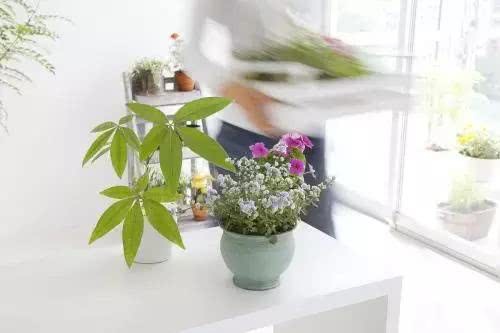
Many friends have now taken up growing flowers, and carefully caring for them and finally seeing the blossoms open brings no small sense of achievement! When idle, "tending to flowers and plants" enriches our spare time. But after working hard to grow flowers and caring for them for a long time, expending great effort, the result is simply that they do not bloom. Why is that?
Excessive or insufficient water and fertilizer
Excessive or insufficient water and fertilizer. During the growth period of flowers, if water and fertilizer are excessive, it easily causes excessive vegetative growth of branches and leaves, with nutrients mostly going to the vegetative organs - roots, stems, and leaves - while the flowers, fruits, or seeds lack nutrients, affecting flower bud formation and leading to no blooming or very few blooms. Applying fertilizer that is too concentrated during the bud stage, or watering now too much and now too little, easily causes flowers and buds to drop. During the growth period of flowers, if fertilizer is lacking and water is insufficient, the plant grows poorly, which also easily leads to fewer blooms and poor flower quality.
Unsuitable light and temperature
Because flowers originate from different places, their ecological habits differ. Some like light and heat, some like semi-shade, some like warmth, some like coolness. If the living conditions each requires cannot be met, it also easily causes flowers and buds to drop, so you need to understand these in advance.
High soil salinity and alkalinity
For most flowers that prefer acidic soil, salinity and alkalinity are very frightening, such as jasmine, gardenia, camellia, and Aglaia odorata, which all prefer acidic soil. Generally, when the pH value of the soil they live in exceeds 7.5, it will affect their blooming and growth.
No shaping or pruning during the growth period
Not pruning or shaping flowering plants during the growth period not only affects their appearance but also consumes a large amount of nutrients, affecting flower bud formation and causing no blooming or few blooms.
Room temperature too high in winter
Room temperature too high in winter. If the room temperature is too high, it affects the dormancy of flowering plants or causes them to sprout and leaf out prematurely, consuming nutrients, and the following year they will grow weakly, not bloom, or have small or fallen flowers.
Attacked by pests and diseases
During the growth period of flowers, they are easily harmed by pests and diseases, which affects nutrient accumulation, hinders growth, and causes flowers and buds to drop.
In response to the above causes, watering and fertilizing reasonably, adjusting the growing environment of potted flowers well, pruning reasonably, and preventing and controlling pests and diseases well can solve the problems of flowers not blooming and flowers and buds dropping.