These 5 flowers burst out of their pots like crazy; after growing them for a year, they're all over the house, such a great sense of achievement
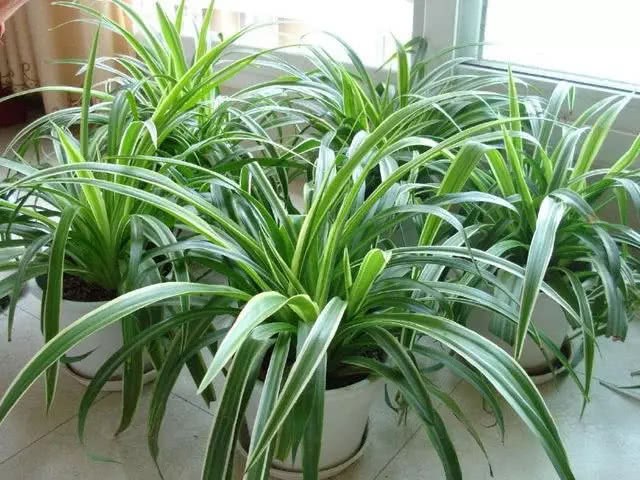
These 5 flowers love to go wild the most; after growing them for a year, they're all over the house, so many you have to give them away, such a great sense of achievement!
1. Spider plant
Spider plants are extremely easy to keep alive, and their reproductive power is super strong. The stolons of a spider plant grow lots of little spider plantlets. Wait until the little plantlets grow a bit bigger, about 5 cm or so, or even longer, then cut the little plantlets off and insert them into soil. Generally, they root in about a week, and in about 20 days they can be transplanted into pots. Water thoroughly and keep them in a cool, shaded place for care. My spider plants at home can't even be placed anywhere anymore, so I gave them away.
2. Hen and chicks (Sempervivum)
Hen and chicks is a type of succulent that especially fills out its pot or propagates very well. As long as you care for it properly, it will quickly grow offsets, and any one of them can be used to propagate a whole big pot. There is a section of stem at the bottom; don't make it too short. The bigger the offset, the better, and the faster it survives. As for soil, hen and chicks is quite tough and not picky. Just add some coarse sand to ordinary garden soil and it's fine.
Hen and chicks is not strict about environmental conditions such as temperature, moisture and light, is easy to care for, makes highly efficient use of space, and has strong resistance to pests and diseases, making it suitable for home ornamental care.
3. Snake plant
The snake plant is a "regular" in homes. It is drought-tolerant, likes light and also tolerates shade, and needs no worrying about at all. It propagates very easily; one leaf can produce several pots. Choose a healthy, thick snake plant leaf, cut it from the bottom, then cut the leaf into small sections about 6 cm long, and leave them in a cool, shaded place for the wounds to dry. Insert them with the bottom facing down and the top facing up. It is best to prepare some loose, fertile and well-drained soil, then insert the leaf sections about 2-3 cm into the soil, keeping the potting soil slightly moist. In about a month they will root and sprout. First the roots grow, and only then do small shoots slowly emerge, so plenty of patience is required.
4. Mother of thousands (Kalanchoe daigremontiana)
Mother of thousands, as the name suggests, means it is not easy to kill; it is almost hard to kill even if you try. The leaves of mother of thousands grow a ring of adventitious buds, and when they fall to the ground they can take root and sprout. If you're not careful, it may "overrun everything." Usually you can also remove the larger adventitious buds from the leaves and scatter them on growing medium; with appropriate misting, and a cool, ventilated spot, they will basically all take root and grow. Moreover, mother of thousands is extremely drought-tolerant and will not die even if you don't give it water for 1 month.
5. Ball cactus
Ball cacti are the easiest to grow. They have many advantages: they don't need frequent watering, their flowers are beautiful, and they are drought-tolerant and tolerant of poor soil, etc. Ball cacti easily grow side pups; little ball cacti readily grow from the lower part of their stems and roots. If you don't pay attention to them, these little balls will grow their own roots and cover the entire flowerpot. Gardening friends can pick off these little balls and pot them in moist soil; the soil only needs to be slightly damp, and in this way you can grow another big pot of them.
Reply "
e-book" to get a professional flower-growing e-book!
Reply: plant name (such asmoney tree): to view the growing method