Master the rhythm of succulent care in autumn to make them grow plump fast
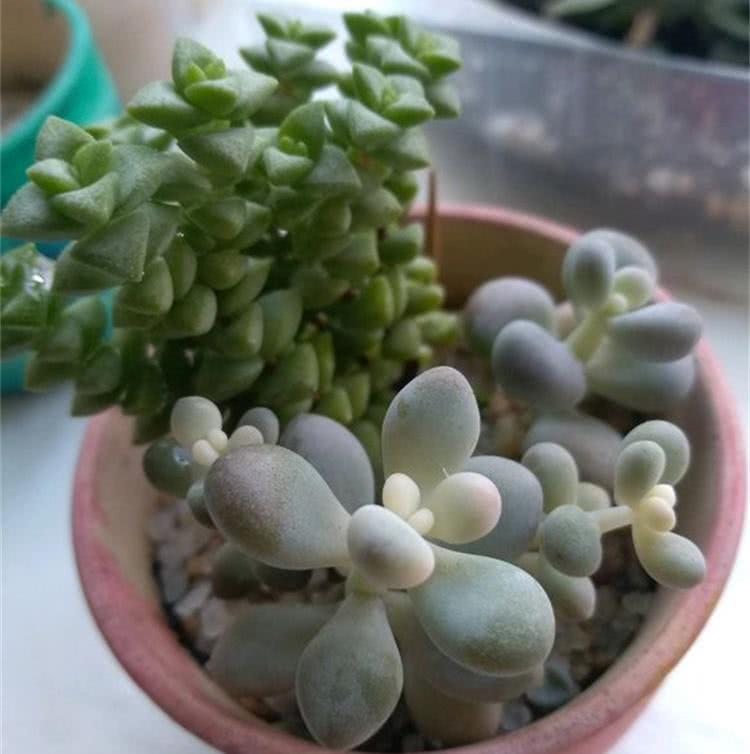
As a plant with a very cute appearance, succulents have always been a popular favorite. But when it comes to succulent care, many people still know relatively little.
It is now autumn, the peak growing season for succulents, and many succulents need to be repotted. But many flower lovers have also run into a problem: after repotting, during the recovery period, the succulent withers for no apparent reason, and in serious cases simply dies. What is going on? What should be done to make succulents grow plump fast in autumn?
Repotting succulents involves the issue of seedling recovery. To make succulents grow plump fast, you need to pay attention to the "rhythm" during recovery and not rush.
1. Before recovery
In the early stage of succulent recovery, you need to carry out a series of treatments on the succulent and the growing medium, to ensure the succulent is healthy when potted and the growing medium is relatively clean. Only then will the survival rate of the succulent improve.
So before potting, you need to clean off all the rotten and diseased roots of the succulent. For those roots that are rather shriveled, remove them as well, keeping the relatively strong roots. Of course, rotten and diseased leaves near the roots also need to be cleaned off.
After handling, disinfect the wounds with potassium permanganate diluted 2000 times with water. Then place it in a cool, ventilated spot to dry (avoid direct sun exposure). The growing medium used should be one with good drainage and aeration to prevent waterlogging and root rot. After that, it can be potted.
2. During recovery
Several points are crucial during the recovery period: water, ventilation and light. During succulent recovery, these three are the major environmental factors that cause recovery failure. If any one of these conditions is poor, it is hopeless.
So during recovery, do not water a newly planted succulent, because the roots have been trimmed and are already wounded. Wait one or two days for it to adapt to the new environment before watering. When watering, be sure to control the amount of water; generally keep the surface slightly moist (avoid watering from the top, as water easily accumulates in the leaf center and causes rot; water gently from the edge of the pot). This amount of water is enough for the succulent to grow, and with less water, there will be correspondingly fewer fungi and bacteria.
During recovery, choose a ventilated and cool location (avoid direct sunlight). Besides reducing water evaporation from the succulent, such a place can also effectively reduce the breeding of bacteria and fungi, preventing the succulent's roots from being infected and rotting.
3. After recovery
After recovery is complete, the succulent has become familiar with the new environment and grown new roots. At this point you can care for it normally. It is now autumn, the season when succulents grow vigorously, so you can give it some nutrients. However, when fertilizing, it is recommended to apply rotted fertilizer, which is mild and long-lasting in effect and comprehensive in nutrition. You can also use an organic liquid fertilizer specially made for succulents fermented from sugarcane.
Dilute 1000 times with water, put it in a spray bottle and spray to water. The fertilizer effect is the same as rotted fertilizer, but it is more easily absorbed and easier to apply. Apply fertilizer well, then water well, and after a period of care, the succulent will grow plump. Well, the above are the three major "rhythms" of recovery for autumn succulent care. Have you learned them?