What vegetables are good to plant in autumn? These 3 are delicious and good for your health
Private Balcony Vegetable Garden
Teacher Xiao Ye teaches you how to grow vegetables step by step
Follow
Balcony vegetable growing is less restricted by time, but our diet should be adjusted accordingly as the seasons change, so as to achieve the goal of health preservation. Therefore, when growing vegetables on our balcony, it is best to plant according to the season too.
Vegetables suitable for planting in autumn
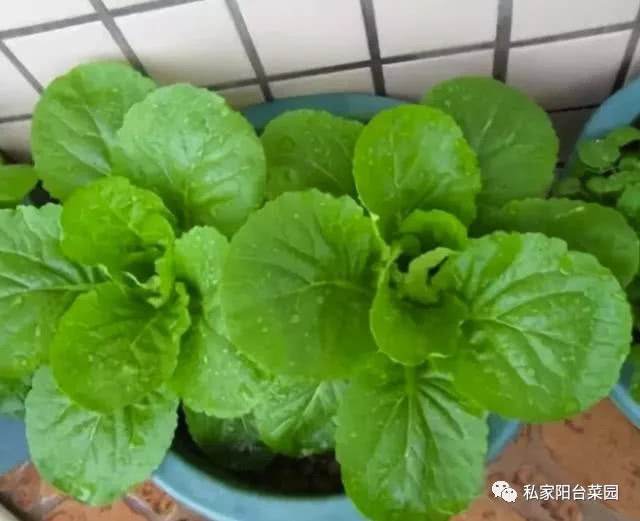
1. Chinese cabbage
Chinese cabbage has high nutritional value and is an essential vegetable at home in autumn and winter. The planting method is also very simple.
1. After preparing the soil, choose a shallower flower pot or foam box, and put the soil into it.
2. Soak the Chinese cabbage seeds in warm water for a quarter of an hour, then scatter them evenly over the soil, and finally cover them with a layer of rare earth soil to complete sowing.
3. Once the seeds sprout and the seedlings grow, they can be transplanted into a new pot. Dig a hole every 10 cm in the new pot to maintain sufficient growing space, place the seedling roots vertically into it, keep the seedlings upright, and then water to moisten. Put it on the balcony, where it can get plenty of sunlight. After that, water frequently to maintain humidity, and avoid exposure to strong sun.
Chinese cabbage that is growing normally needs topdressing, which can promote its rapid growth. About 40 days after sowing, it can be harvested.
2. Cowpea
Many people love to eat cowpeas, and they can also be grown at home.
Planting method:
1. Water the soil to keep it moist, then dig holes, put 3 or 4 seeds in each hole, and when the seedlings grow, we need to thin them out.
2. About 3 to 4 weeks after germination, they can be transplanted. When the plant grows its first compound leaf or 2 true leaves, it can be planted in a fixed spot.
When there are 5 or 6 true leaves, a support frame needs to be set up. Usually the frame is set up on a sunny afternoon or at noon, guiding the vines onto the frame counterclockwise and fixing them firmly with rope.
3. In the early stage of growth, not much fertilizer is needed. After successful planting and about a week after the plants survive, apply once more a diluted, decomposed, slightly organic fertilizer. During the period from buds appearing to maturity, apply fertilizer once every 7 to 10 days. It is recommended to use microbial inoculant fertilizer specially for vegetables, which is green, safe, and has no odor.
Note: As for watering, do not water too much in the early stage. When the flower clusters bearing pods on the main vine reach half, then water thoroughly.
3. Carrot
Carrots are rich in vitamins and are beneficial to the health of the skin and eyes. As long as the planting method is proper, carrots can also be successfully grown on a home balcony.
Planting method:
1. First water the potting soil thoroughly, then scatter the seeds evenly on the surface of the potting soil and cover with a layer of loose soil, which helps germination. Place in an environment of 18-25 degrees, and they will germinate in about 10 days.
2. When the seedlings grow, pay attention to thinning them and maintain spacing between plants. Carrots grow very slowly in the seedling stage, so control the amount of water to prevent the seedlings from growing leggy. Along with watering, spray 1-2 times with microbial inoculant fertilizer specially for vegetables. When the carrot's fleshy root begins to expand, increase the amount of watering, but do not overdo it; it is best that the soil does not accumulate water.
3. When carrots grow 7-8 true leaves, fertilize regularly, together with watering, spraying once about every 20 days; when the fleshy root begins to expand, increase the amount of microbial inoculant fertilizer specially for vegetables and fruits.
The above is what Teacher Xiao Ye has introduced to everyone.
If you have better methods or tips for growing vegetables,
You are welcome to leave a comment below,
So that more friends who like growing vegetables will fall in love with growing vegetables!
END