Don't do these three things when caring for flowers after September, or problems are likely to arise
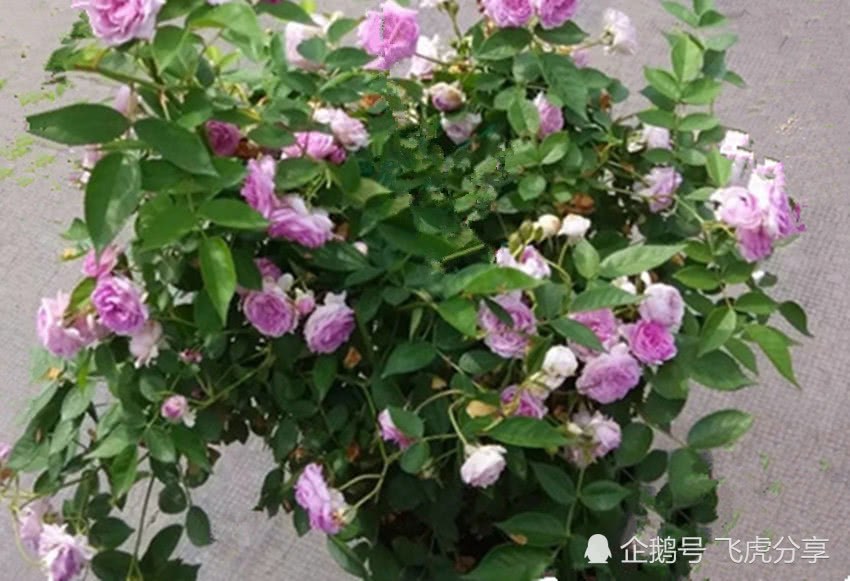
It is now September, which means autumn has gradually arrived. Although autumn is the peak growing season for flowers, once autumn comes the root systems of most plants weaken, and both their growth capacity and speed slow down. Therefore, in order to let flowers grow robustly and overwinter safely, you must pay attention to three details when caring for flowers in autumn.
1. Do not fertilize blindly. In autumn, because the root system is fragile and not as developed and vigorous as in spring and summer, you must be very cautious when fertilizing flowers. The slightest carelessness can burn the plant's roots. But when fertilization is needed, you should still fertilize, rather than applying it blindly. When fertilizing, do not use too much, do not use unfermented fertilizer, and keep it away from the roots. If the plant is growing well, there is no need to fertilize. For some weak plants and diseased plants, you must not fertilize blindly even more, otherwise it is very easy to cause these plants to die.
2. Do not repot or change the soil casually. In autumn, plant roots grow slowly and become aged. After repotting, they cannot promptly send out new roots, and the old roots' ability to absorb water and nutrients is very weak. At this time, after repotting, the plant will not recover from the transplant for a long time. Especially when repotting, the roots are most easily injured, and once injured at this time it is very hard for them to recover, which most easily causes wilting, rot or death. So in autumn it is best not to repot or change the soil. If you must change it, wait until spring. In spring the roots are well developed and grow vigorously, making it the best season for repotting and changing soil.
3. Do not water casually. Entering autumn, because the climate is dry and the plants grow quickly, they need sufficient water. But at this time the roots are very sensitive to temperature. The temperature of freshly drawn tap water differs greatly from the soil temperature. If it is poured directly into the flowerpot, the roots will be subjected to changes in hot and cold temperatures, which speeds up their aging and, in severe cases, can cause root rot. So first let the water sit for a while or leave it in the sun for a bit, and wait until the water temperature and the soil temperature are almost the same before watering the flowers. In this way, the roots will not be harmed, and they can store more nutrients to overwinter safely.