Don't throw away the leftover avocado pit - easily grow a potted fruit tree on your balcony
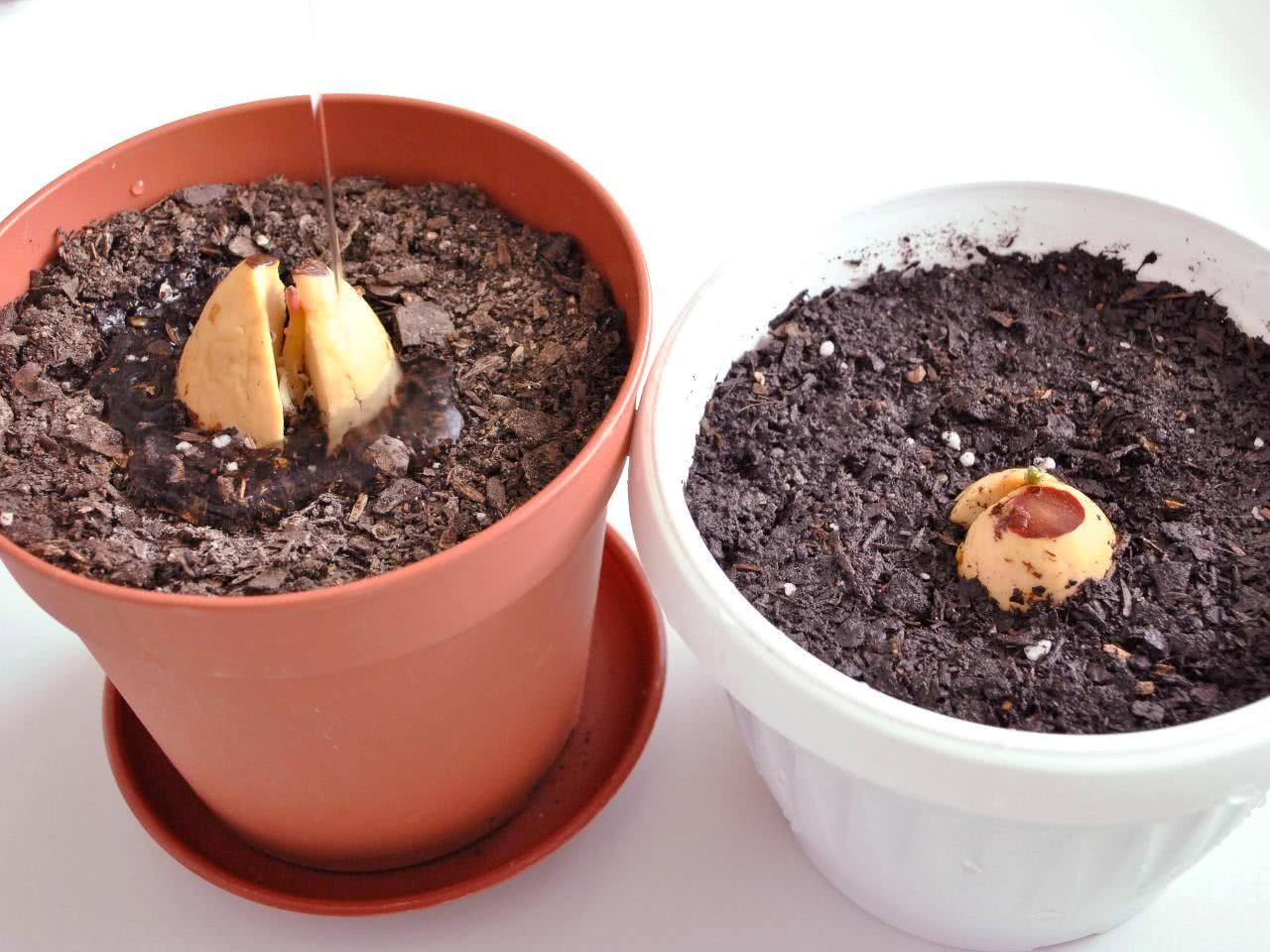
Leftover avocado pits are usually thrown straight in the bin. Avocado flesh is extremely nutritious, so why not try growing one yourself? Many people have tried the method of propagating avocado pits in water: stick a few toothpicks around the pit, keep the bottom soaking in water, and within a few weeks it will root and sprout.
However, the water propagation method does not always succeed. Below I will introduce a sowing method with a higher success rate.
The picture above shows an avocado pit rooted in water; once the roots have grown long, transplant it into soil.
Before sowing, you need to prepare plenty of materials. This method involves sowing and propagating directly in potting soil. Be sure to choose a slightly acidic sandy soil with a pH between 6 and 6.5. Add some peat moss to the soil to increase its water-holding capacity. Choose pots with good drainage, such as terracotta or plastic pots. The growing position should have appropriate indirect light, avoiding direct sunlight or excessive exposure.
The growing temperature should be kept between 18 and 28 degrees, and relatively high air humidity should be maintained, avoiding dryness.
Step one: wash the pit and peel off the brown skin
To increase the germination rate of the avocado pit, you need to remove its brown outer skin. You can also gently scrape off this brown skin with a sharp knife.
Some shallow scars on the pit will not affect germination.
Step two: prepare suitable potting soil
To grow avocado seeds, be sure to choose slightly acidic soil with good drainage. You can simply mix peat moss with perlite at a ratio of 2:1.
During the harsh growing process, be sure to keep the soil moist and avoid excessive drought.
Step three: points to note when sowing
Before planting the avocado pit in the soil, you need to tell its top from its bottom. The bottom of an avocado pit is relatively wide, while the top is pointed, so it is quite easy to distinguish. The bottom must face down when planting, otherwise it will not germinate.
Step four: the growing position
Once the avocado pit is planted in the soil, water it thoroughly and keep the soil moist. Place it in a warm, well-ventilated environment with a temperature between 18 and 30 degrees. You can place it on an east-facing windowsill with appropriate indirect light each day, avoiding direct sunlight or scorching.
Step five: wait for germination and keep the soil moist
An avocado pit takes 2 to 8 weeks to root and sprout. If you see the pit beginning to crack, that is a good sign. Check the soil every few days and keep it moist, avoiding dryness. You can regularly mist water around it to maintain a certain air humidity.
Step six: pinch off the top appropriately
Once the avocado seedling grown from the pit reaches about 15 cm, pinch off the top, removing the tender shoot at the top. This helps encourage branching and prevents it from growing too tall.
Pinching off the tender top shoot also makes the whole plant grow fuller and helps it thrive.
The picture above shows an avocado tree grown from seed; after grafting, it can bear fruit in about 3 years.
An avocado grown as a potted plant by this sowing method is very unlikely to bear fruit. It generally takes about 5 to 13 years to successfully flower and fruit, and its taste differs from that of a freshly bought avocado. If you want it to bear fruit, you must graft it.