What to do when a home-grown spider plant droops with yellow leaves? One charge, one control, one supplement, and it stands upright, bursts the pot and sprouts pups
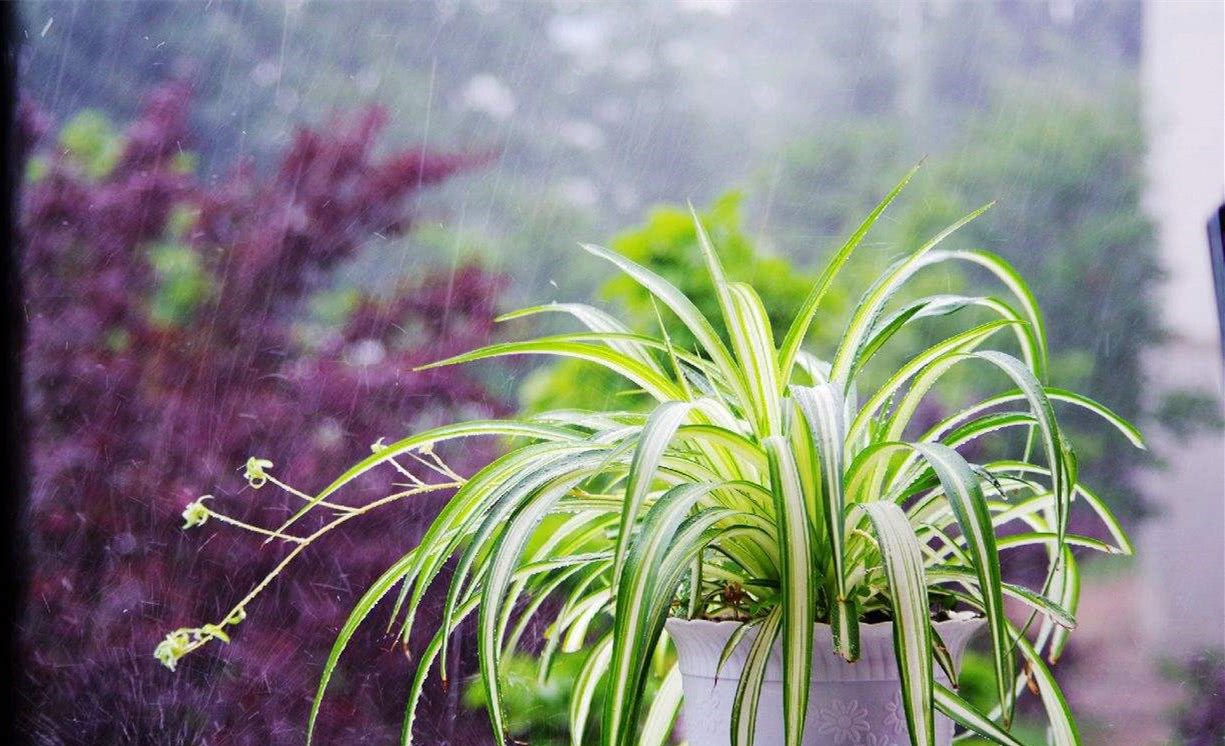
Spider plants and pothos are known together as the "two treasures" of the home, and in terms of how widely they are distributed, they are among the most widespread indoor green plants. Today the little gardener will talk to you about spider plants. Spider plants are very easy to keep alive, but many novice owners just cannot grow them well, and the most obvious sign is that the leaves hang down, constantly "drooping their heads", with the branches and leaves going limp. If you want to solve this problem, novice owners just need to do the following things well.
1. The first thing: charging up
One reason the leaves of a spider plant lie down and go limp is that it does not get enough nutrients. Actually, spider plants do not need many nutrients, but if you neither repot it for one or two years nor add fertilizer, it will also "starve to death". Novice owners need to know this, so as the spider plant keeps growing, we should not only repot it once a year, but also apply fertilizer in time to "charge it up".
First let's look at a folk way of "charging up", which is to ferment peanut shells. After they are fully fermented and decomposed, mix them with other soil to grow spider plants. You can refer to this formula from the little gardener: 1 part peanut shells, 1 part leaf mold, 1 part sand. With this formula, the roots of the spider plant can grow into "big radishes", and bursting the pot is no problem at all. Once the roots are strong, it will naturally grow well.
Now let's look at the urban way of "charging up". Because decomposing peanut shells takes at least two months, some flower lovers do not have the time or the energy for that. No matter. When we use soil, we mix some granular soil into the spider plant's soil, and then pair it with plant nutrient solution to strengthen the roots. Dilute it 500 times and use it once every 1-2 weeks, and it will make the drooping leaves stand upright, and it will also keep sending out little spider plants!
2. The second thing: controlling water
The reason the leaves of a spider plant lie down, the little gardener thinks, is that novice owners water too much. Spider plants can be considered drought-tolerant plants. Perhaps beginners have never dug up the roots of a spider plant. Its roots are like "little radishes", and their water-storage capacity is not bad. Too much water easily makes a spider plant droop its head. In the words of the old-timers: "Dry without peeling, wet without turning to mud" is the best state for growing spider plants.
Beginners will surely ask, how do I know whether the potting soil is dry, and when should I water? Just let a bamboo stick help you. Insert it into the potting soil, pull it out after 1 hour and take a look. If there are no water marks or soil sticking to the stick, it means the potting soil is already dry and you can water the spider plant. If you do not know how to use a bamboo stick, then use a professional plant and flower detector and let the data speak, so you will feel more confident when watering.
3. The third thing: supplementing light
Actually, a spider plant drooping its head has little to do with light, but if you can give it appropriate light, its leaves can grow more brightly, so after its leaves stand upright, they will look even more pleasing. So when we care for spider plants, it is enough to let them receive scattered light. If they are to be sunned, they can only be sunned in the morning and evening sun. Once exposed to the midday sun, the tips will scorch, so they absolutely must not be sunned. The little gardener also hopes novice owners will remember this point.
The reason a spider plant becomes "droopy and dispirited", the little gardener thinks, is mainly the first two reasons. The third thing is the "finishing touch". On the premise of doing the first two points well, we can grow the spider plant at home upright and elegant. Novice owners, hurry up and write this down.