Gardenia yellowing leaves and dropping flower buds? Pour these 3 kinds of water, and the leaves will be glossy green with flowers covering the pot
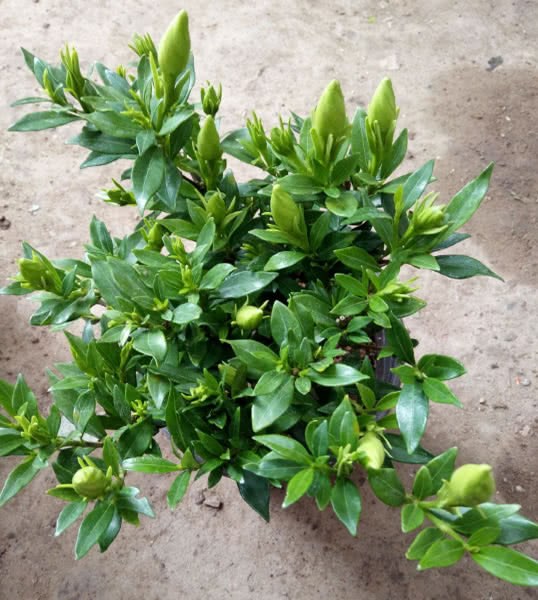
I wonder if any flower lovers have experienced this: you buy a gardenia at the flower market, choosing the one with the most buds on it, take it home and grow it for a while, and forget about all the buds opening - some never bloom even a single flower. Why is that?
Actually, when many people grow gardenias, often before the flowers even bloom, the buds have all dropped. Some think, fine, let the buds drop, at least I can still enjoy the green leaves - but no, the leaves have turned yellow too. How tragic, it makes you want to cry!
The habits of gardenia are like this: it likes a warm and humid environment, with an optimal growing temperature of 18-28°C. It likes light and also tolerates partial shade. Direct strong light, high temperatures, and overwatering all easily cause yellow leaves and dropped buds.
In short, gardenias are very prone to yellowing leaves and dropping buds, and the main cause is the watering problem, because we use tap water to irrigate potted gardenias over the long term. The chlorine in tap water is very harmful to plant roots and also very easily makes the soil alkaline and compacted.
Gardenias like loose, fertile, well-drained acidic soil and require a pH of 4.5-6.0. Once it exceeds 6.5, the leaves begin to turn yellow. So to solve this problem, you can try watering with these 3 kinds of acidic water.
1. Salt-free edible vinegar diluted with water
Edible vinegar contains acetic acid and various nutrients. Diluted with water and used to water flowers, it can appropriately supplement the nutrients gardenias need for growth and can also neutralize soil that has already become alkaline. But you cannot pour edible vinegar directly into the soil - the concentration is too high. The dilution ratio is generally about 1:40, and after a period of time you will see the effect.
2. Ferrous sulfate diluted with water
Using ferrous sulfate for gardenias can regulate the acidity and alkalinity of the flower soil, promote chlorophyll formation, and let gardenias, which like acidic soil, grow vigorously without yellow leaves and with less bud drop. Ferrous sulfate used for watering flowers also needs to be diluted with water, with a low concentration of about 0.2%, and it should not be used too frequently.
3. Rainwater
When it rains, if convenient, we can collect some rainwater and keep it at home. Using it to water flowers is much better than tap water and does not easily compact the potting soil. Usually, once the gardenia's potting soil is dry, you can directly use it to water.