Blood-pressure-lowering vegetables can be grown in pots too? These 3 are easy to care for and ready to harvest in 2 months for healthy eating
These days more and more people are growing vegetables in pots on their balconies. Everyone feels that potted vegetables are not only free of harmful substances and very green, but the whole care process also brings plenty of enjoyment. However, growing vegetables in pots also involves quite a few finer points, such as which types are suitable for pots, which grow fast, or which ones are healthier when grown at home. Now, as living standards rise, with good food and good clothes, the "three highs" naturally become more common too. Especially among people with high blood pressure, at least two or three out of every 10 have it. Next, Potted Plant Corner shares 3 kinds of "blood-pressure-lowering vegetables" you can grow in pots. These plants are really great to grow in pots!
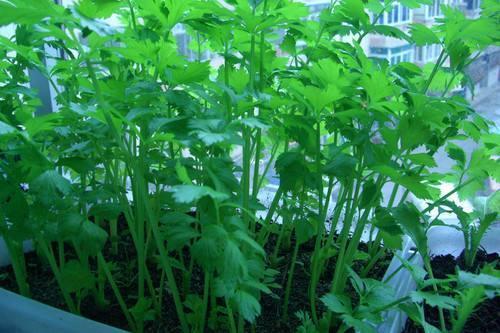
1. Potted celeryThis plant can be a treasure for people with high blood pressure. Many people know that eating celery lowers blood pressure, and this is absolutely true. If you don't have a small yard at home, growing a pot of celery on the balcony is also a very good decision. That's because potted celery has two advantages that make it worth growing: first, the potting process can cultivate the mind and character and help lift your mood. Second, celery grows fast and is easy to care for, so it can be harvested very soon. And vegetables you grow in pots yourself have not to mention pesticides, not even the slightest residue, making them completely green vegetables.
How to care for potted celery
For celery, you can choose two methods for potting: one is cuttings, that is, using ready-made celery roots, and the other is sowing seeds. Sowing celery seeds also works, except that it takes a little longer from sowing to mature plant. Caring for celery is relatively simple in daily management, and its adaptability is fairly strong, so you can use ordinary special potting soil for flowers. Or homemade leaf mold also works. Water by the principle of watering when dry and letting it dry out between waterings, and just place it in bright, indirect light.
2. Potted sweet potato
With potted sweet potato, we're not eating the sweet potato, but rather its "leaves." Sweet potato leaves contain a great many nutrients. Every 100 grams of sweet potato leaves contains 2.28 grams of protein and 16 milligrams of the mineral potassium. In addition, iron, phosphorus, potassium and carotene are all present too. Whether for boosting immunity or lowering blood pressure, sweet potato leaves really are the best potted vegetable.
Growing sweet potatoes in pots is also very simple. You can grow them either hydroponically or in soil. It is suggested that flower friends can grow them in soil, as this way they will grow a bit faster. If you want sweet potato leaves to regrow after each harvest, it is recommended to apply a top dressing once a month, using diluted cake fertilizer water or a potassium dihydrogen phosphate solution sprayed on.
3. Potted purslanePurslane was originally a wild grass growing in the wild. Later, after people discovered its nutritional value, it was no longer a wild grass, but became a true wild vegetable. It is said that this wild vegetable now has quite a high market value, costing over ten yuan per jin! Potted purslane is the easiest to grow. Because it originally grows outdoors, its ability to adapt and survive is very strong. Ordinary soil and climate can keep it alive. The key point is that purslane propagates very easily; generally a single branch can propagate into a large potful. Whether stir-fried or steamed, this vegetable has very high value. Purslane contains calcium, phosphorus, iron, vitamin E, vitamin B, vitamin C and as many as dozens of nutrients. Besides lowering blood pressure, it is also very helpful for preventing and treating cardiovascular disease, so growing a little of it really is no loss at all.
This purslane ships from Shandong and is trustworthy.
That's all for sharing knowledge about blood-pressure-lowering vegetables. Thank you for reading!
Remember to like and share~