What to do about root rot and yellow leaves on potted plants? Add this when planting
When plants have been grown for a long time, they either get root rot or yellow leaves, so what should you do? In fact, there are many little tricks to keep plants from getting root rot and yellow leaves, let's take a look with the good-care gardening expert.
How to prevent plant root rot?
1. Broken tile pieces
The soil in the flower pot lacks nutrients, dries hard and clumps, and easily clogs the drainage holes at the bottom of the pot. Therefore, potted plants need timely soil loosening to increase the soil's air permeability.
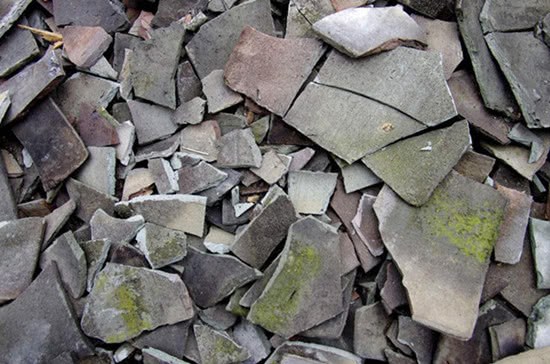
Go to a nearby wasteland or construction site and pick up some thin old bricks and tiles, crush them into small pieces and spread them at the bottom of the flower pot, and they can provide ventilation and air permeability, so you can drain water and remove moisture smoothly without loosening the soil, and never worry about waterlogging and root rot again. Even delicate orchids will have fresh and translucent leaves.
2. Loofah sponge
Don't rush to throw away the loofah sponge used for washing dishes when it wears out; cut it into small pieces and put them in the flower pot, fill it with soil and you can plant flowers.
Nothing absorbs water and breathes better than a loofah sponge. Use it to grow flowers and green plants, the soil is less likely to dry hard and spoil, and after the loofah sponge decomposes it can also become natural nitrogen fertilizer, the plants grow stronger and stronger, and soon they will fill the pot.
How to prevent plant yellow leaves?
1. Rice vinegar
The leaves of water-grown pothos and money tree turn yellow, what should you do? Use this seasoning from the kitchen, and the leaves will quickly turn green. It is rice vinegar! Rice vinegar is rich in amino acids and also contains a variety of vitamins.
Dilute the rice vinegar at 1:1000, wipe both sides of the leaves, then rinse once with clean water. This allows the leaves to absorb the nutrients in it and become translucent and glossy.
Before flowering plants bloom, spray a little rice vinegar on the flower buds, and it can also make the flowers bloom more vigorously.
2. Banana peel
After eating a banana, casually wipe the leaves of the clivia at home with the banana peel, and the orchid will not have yellow leaves or wilt, becoming more and more full of life. It can not only nourish the leaves, but also remove dust from the leaves, and the leaves will become extremely shiny.
One thing to remind everyone is that banana peels have a sticky substance that easily clogs the leaf stomata, so after wiping with them it is best to rinse once with clean water. In addition, the used banana peel can also be made into fertilizer together with eggshells and leftovers; cut them up and bury them in the flower pot, and they become free potassium fertilizer.
3. Expired milk and yogurt
Yellowing plant leaves are very likely due to a lack of nutrients. Don't throw away expired milk; put it in a plastic bottle, place it in the light to ferment for about a week, and it becomes excellent nitrogen fertilizer. Dilute it with water and use it to water flowers, so the plants can also "drink" enough nutrients.
Yogurt itself is a fermented product, rich in probiotics and nutrients. Dilute unfinished yogurt directly with water and it can be used as fertilizer. Water flowers with yogurt, and the leaves will not turn yellow and the flowers will bloom vigorously.
4. Beer
Beer is rich in amino acids, and also contains phosphate components and potassium elements needed for plant growth. Wiping leaves with beer is also a good way to prevent yellow leaves and nourish plants.
Beer contains a lot of maltose, and directly wiping leaves will pick up more dust, so you can dilute the beer and spray it on the leaves. Whether wiping or spraying beer, after about 3 hours, it needs to be rinsed once more with clean water to prevent the sugar substances from clogging the stomata.
Once you have learned these little tricks above, your plants will grow lush and green, come and give it a try!