Grow succulent Haworthia cooperi this way for even more crystal-clear leaves than the closed-lid method, learn it in 3 minutes
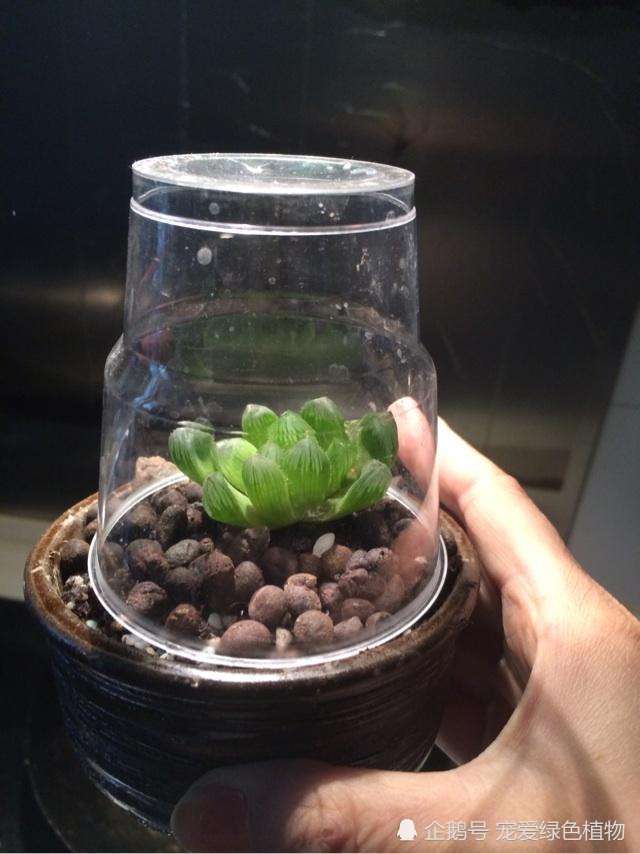
Grow succulent Haworthia cooperi with this "method" and it will be even more crystal-clear than with the "closed-lid method", learn it in 3 minutes!
Quite a few succulent growers now like to use the "closed-lid method" on Haworthia cooperi to boost the brightness of its windows, but this closed-lid method often shows obvious results on shriveled succulents, while for healthy succulents the effect is often negligible.
Because healthy Haworthia cooperi plants already have a good ability to balance their own water, so what method can boost the brightness of the "windows" of the succulent Haworthia cooperi?
When we grow succulents, unless it is to make them flower and set seed, we rarely use phosphorus fertilizer; besides one rather important role, phosphorus fertilizerThe element phosphoruscan help plant cells expand in volume.
In crops, it can make dull-colored, thin and small plants fuller, greener and brighter, and give every cell of the plant better light transmission; used on succulents, it helps create a larger "window surface" for Haworthia cooperi, and at the same time makes the transparent part of the window surface even more translucent!
If you are willing to try this method on Haworthia (Twelve-volume) succulents, it is recommended to increase the proportion of akadama in the potting soil, because akadama can hold more phosphorus than other soils and makes the fertilizer effect of phosphorus fertilizer last longer.
Although phosphorus fertilizer can make the window of Haworthia cooperi larger and brighter, it also has one drawback: it causes the succulent leaves to stretch out, so never use phosphorus fertilizer in excess just to make Haworthia cooperi transparent!
For those patterned Haworthia (Twelve-volume) succulents, transparency is not the first priority; keeping the patterns clear is the most important thing, and in this case we can improve their ornamental value by "supplementing calcium".
Because the element calcium can make plant cell walls thicker and sturdier, and can also effectively prevent leaves from splitting; once calcium combines with the cellulose in the cell wall it will not separate again, thereby promoting the fixation of the patterns on the epidermis of the succulent's window surface, making the plant's texture clearer and also making the plant sturdier and more compact.
So we should not think that puffy, bloated growth is what makes succulents translucent; calcium will make succulents sturdier without affecting the transparency of the window surface!