Still using rice water or vegetable-washing water to water your flowers? This is the real all-purpose water for plants - it makes any flower thrive
Fellow gardeners probably all know that when it comes to growing flowers, three parts depend on fertilizer and seven parts on water. Water is extremely important for the growth of flowers, but many people who grow flowers water too much, water too often, water too little, or fail to water thoroughly, causing plants to develop root rot, yellow leaves, failure to bloom, and even death.
In the usual process of growing flowers, gardeners like to use rice water or vegetable-washing water to water their plants, but besides these kinds of watering water, there is another kind of water that is also good for watering flowers, which is the fruit peel enzyme commonly used by gardeners. After the leftover apple peels, orange peels, watermelon rinds and other fruits are fermented, the resulting liquid contains a variety of nitrogen, phosphorus and potassium trace elements. It is extremely rich in nutrients, especially suitable for growing and watering flowers, and can also kill microorganisms in the soil, loosen the soil, and adjust the soil's pH.
How to make fruit peel enzyme
Collect various fruit peels, brown sugar and clean water, mix them in a ratio of 3:1:10, then put the mixture into a mineral water bucket, seal it and place it in a cool place for about three months. This can speed up fermentation. During the first week after sealing, remember to open the lid every day to release gas; after 15 days, release gas once every three days. Once no more gas is released, let it sit for 4-5 months and it is ready to use.
Using fruit peel enzyme to water flowers
When using it, filter out the liquid. When watering flowers, it needs to be diluted, with a water-to-enzyme ratio of about 10:1.
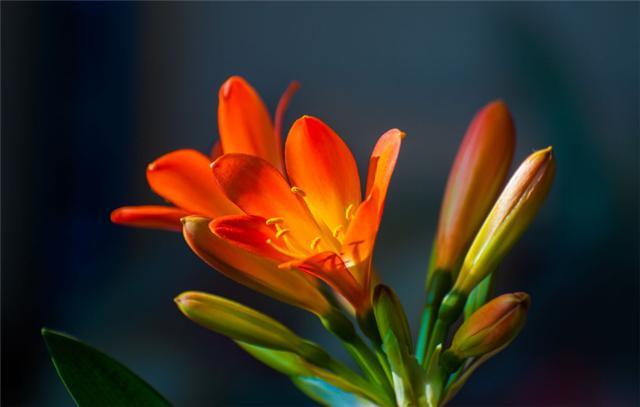
When watering flowers, you can water according to the growth habits of the plants. In summer, clivia (Clivia miniata) can be watered once a week, and a little enzyme can be added. Fruit enzyme is suitable for all flowers and is very helpful for the growth of plant roots, but gardeners should note not to water flowers at noon when the weather is hot; watering in the evening is fine.
That is all for today's tips on using fruit peel enzyme to water flowers. Gardeners now have some understanding of how to make fruit peel enzyme. Do not throw away the fruit peels you usually eat - you can put them in a bottle to ferment, then dilute the liquid and use it to water your flowers, and your plants will grow even better.