How do you grow pennywort? Gardeners don't mind the mess - use this and it grows into a big pot in just 5 days
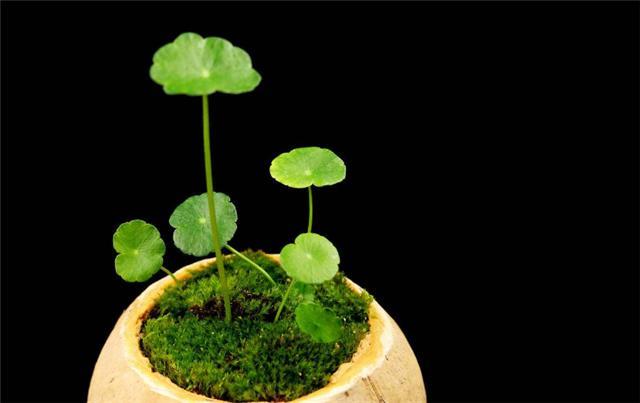
Pennywort (Hydrocotyle vulgaris) is a flower with a very good meaning, and gardeners all marvel at how easy it is to grow. As long as you give it more water and plenty of sunlight, pennywort will grow well and can fill out its pot. Some gardeners planted pennywort without any care, and it ended up spreading beyond control, but other gardeners find their pennywort develops yellow leaves and crooked stems, and every pot they propagate dies - this is because they don't understand the care techniques for pennywort. Only by using pond mud can pennywort grow better.
Growing pennywort with pond mud
Pond mud is a great treasure for growing flowers and plants. Using it to grow pennywort means you basically don't need to fertilize, because pond mud itself is very fertile, rich in nutrients that promote rooting and vitality, and pond mud has high fertilizer efficiency that is no worse than any organic fertilizer.
After gardeners dig up pond mud and use it to grow bowl lotus and pennywort, the results are quite good, because it has abundant nutrients and suits every kind of plant, and since pond mud is rich in nutrients, it suits every kind of hydroponic and soil-grown plant fairly well.
Pond mud also has its particularities, because pond mud is quite fertile and needs to be mixed with some soil when used, to avoid burning the roots of pennywort. Using it to grow pennywort is then very effortless, and you no longer have to think about fertilizing.
What to do when pennywort turns yellow
Yellowing leaves on pennywort are generally caused by poor ventilation, because pennywort's leaves are too densely packed, and being in an unventilated environment for a long time easily causes leaf yellowing and rot. When gardeners notice the first signs of yellow leaves, they shouldn't worry too much - they can spray potassium dihydrogen phosphate. This phosphorus and potassium element is essential for plant photosynthesis, and spraying it on the leaves helps prevent yellowing and helps yellow leaves turn green again.
Gardeners now have some understanding of growing flowers with pond mud, and growing flowers with pond mud also has its particularities. Don't use too much pond mud, to avoid burning the roots, which is bad for pennywort's growth. Apply it in small amounts, and growing pennywort becomes much more effortless - no need to think about fertilizing.