The true gardening expert grows flowers shorter, not taller - I wish I'd known this sooner
Many flower lovers have surely seen some very old potted bonsai plants that are not tall and big like ordinary flowers, but rather quite short, yet with no fewer blooms at all. It turns out that many flowers are not better the taller and longer they grow (except for some climbing plants), and they should also be properly dwarfed - not only is the plant less prone to lodging, but the plant shape is beautiful and maintains a lovely ornamental posture! Let's take a look!
“
Potted plant dwarfing
Flower dwarfing sounds like a profound field of study, but it is actually very easy to do, and many of our everyday flower care methods also include dwarfing the plant. Today, let's take a systematic look at the methods for dwarfing flowers.
-Dwarfing by cuttings and grafting-
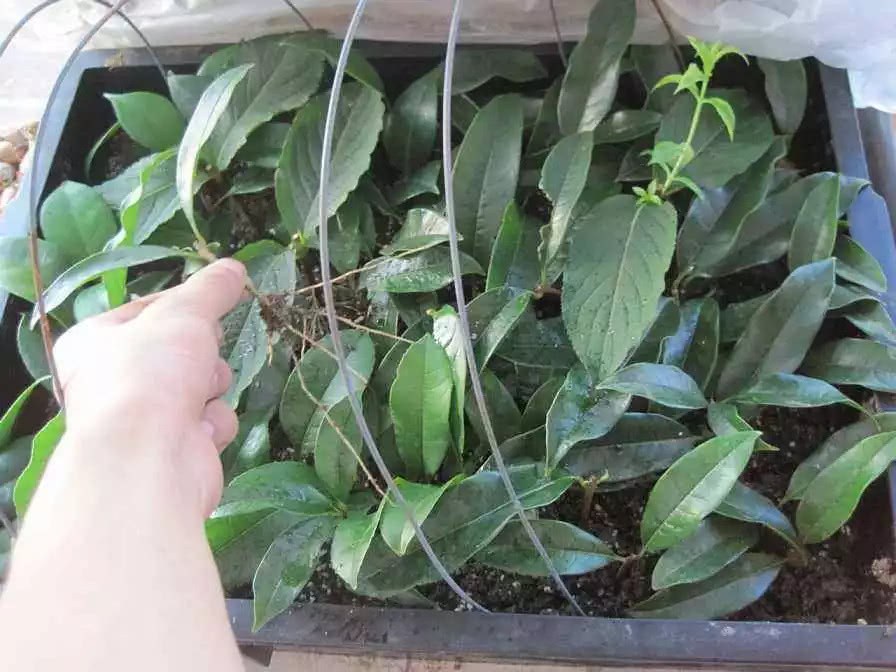
The methods we normally use to propagate plants - cuttings, layering, division, and grafting - can all play a role in dwarfing. These methods can shorten the flowering stage and reduce the height, making the plant shape more compact.
Dahlias and moss rose can even be propagated by cuttings with small flower buds; after dwarfing, the plant shape is more compact and even more beautiful.
Grafting can be done from the root of the plant, which can also play a role in dwarfing.
-Dwarfing by pruning and shaping-
You can dwarf the plant through pruning and shaping. If the plant is leggy or the main stem is too tall, you can cut the main stem shorter. This can promote the sprouting of side branches, so the whole plant becomes full but not loose.
You can dwarf the plant by pinching. Pinching means removing the tender tips at the top, which helps nutrient accumulation, side branch growth, and plant dwarfing. Large chrysanthemums dwarfed this way can produce more flowers, and the flowering period is also extended.
-Dwarfing by controlling water and fertilizer-
Applying fertilizer just right is very important. Too little fertilizer cannot fully promote plant growth, and the lack of nutrients makes it thin and weak. But too much fertilizer easily causes leggy growth and invites pests, and in winter it also makes the plant prone to cold damage.
So you need to be careful with fertilizing; if the plant is overgrown you can apply too much nitrogen fertilizer - nitrogen fertilizer promotes the growth of branches and leaves and easily makes the plant leggy. So you need to control the ratio of nitrogen, phosphorus, and potassium well, especially in autumn, when the proportion of nitrogen fertilizer should be appropriately reduced.
-Dwarfing by increasing sunlight-
Sunlight is one of the most basic conditions for plant growth; plant growth, development, flowering, and fruiting can only be completed in light. Different plants have different light requirements. For many flowers, during growth, if the light is sufficient, the plant is less likely to become leggy and the plant shape is more compact and beautiful. But you must not suddenly increase a lot of light, as the plant may wither because it cannot adapt.
-Dwarfing by using regulators-
You can also use some regulators to regulate plant growth.
Chlormequat, which can inhibit the plant's vegetative growth, promote plant dwarfing, and improve the plant's appearance.
Paclobutrazol, which can shorten the plant's internodes, reduce leaf area, deepen leaf color, and improve some undesirable traits of the plant. This method is often used on calla lilies.
Mepiquat chloride, which can reduce plant height by about 26%, and make the stem nodes shorter and the branches more numerous, so the whole plant becomes more compact.
To sum up, through pruning and shaping, controlling water and fertilizer, increasing light, grafting and cuttings, and using growth regulators, you can all dwarf your flowers. However, dwarfing a plant does not mean the shorter the better, but rather letting them show their most beautiful posture at the most suitable height. The more beautiful the flowers, the happier the grower, right?
So the experts don't grow flowers taller and taller
but shorter and shorter
Have you learned it?
Feel free to share it with flower lovers who need it!