2 kinds of flowers build up strength in summer, add this in autumn and they grow madly, looking different every day
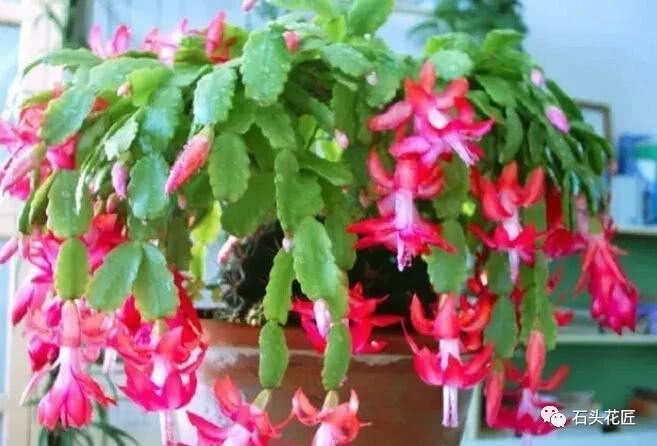
As September arrives, the temperature gradually drops and the weather turns cool, and the scorching summer passes with it. The cool autumn is also a vigorous growth period for many flowers, especially for some plants that bloom in winter; autumn is the key period for the plants to grow and store nutrients. Winter-blooming plants such as clivia, kalanchoe, Christmas cactus, narcissus and so on all lie dormant in summer, and in autumn, as the temperature drops, the plants gradually wake up and enter a crazy growth period.
Today I will share with you two flowers that lie dormant in summer - Christmas cactus and kalanchoe. Christmas cactus and kalanchoe are typical winter-blooming plants; generally, once winter comes, they produce beautiful flowers. So these two plants seem to hold in a burst of energy during summer, then grow madly in autumn and produce beautiful flowers in winter. So the topic I will share with you today is:
2 kinds of flowers "hold in a burst of energy" in summer; add "it" in autumn and they enter mad-growth mode, looking different every day!
In summer, Christmas cactus and kalanchoe are both dormant, so their roots basically do not absorb nutrients. When autumn comes, the plants' growth capacity gradually strengthens, so management of their care needs to be stepped up; the first thing is to add fertilizer.
This is exactly the period when the stems and leaves of Christmas cactus and kalanchoe grow rapidly, so the plants need nitrogen fertilizer. You can choose soybeans from home as nitrogen fertilizer and add them to the potted plants, because soybeans are rich in protein, and the main element of protein is nitrogen. But soybeans must be processed before use. After boiling the soybeans at home and letting them cool, dig a few small holes around the edge of the flower pot, then place 3-5 soybeans in each small hole and bury them, letting the soybeans ferment naturally in the pot to provide nutrients for the plants' growth. Boiled soybeans ferment very easily; generally they can ferment into organic fertilizer in about seven days. Because they are buried in the soil and the amount of soybeans is not very large, there will be no peculiar smell.
Of course, you can also boil the soybeans, put them in a plastic bucket with water and place it in a cool place to ferment, but this soybean water fermentation takes a long time and produces a peculiar smell. If you have a spacious place for growing flowers, you can use this method to ferment soybean fertilizer. After fermentation, dilute the soybean fertilizer with water at 1:1 before watering it into the flower pot; the effect will be very good. With sufficient nutrition, Christmas cactus and kalanchoe grow very quickly, looking different every day.
After supplementing Christmas cactus and kalanchoe with soybean fertilizer, the plants will grow leaves and stems quickly. At the end of autumn, kalanchoe and Christmas cactus begin to differentiate flower buds and need phosphorus and potassium fertilizer. So at this time, stop applying nitrogen fertilizer and spray the plants with a 0.2% potassium dihydrogen phosphate aqueous solution to promote the development of flower buds, so that they can produce beautiful flowers in winter.
If you find this useful, please like it below, follow, and forward it to more friends.
I am [Stone Flower Gardener], and I share little flower-growing tips every day. Remember to follow me.