Six don'ts for keeping orchids at home, essential points every orchid grower must know
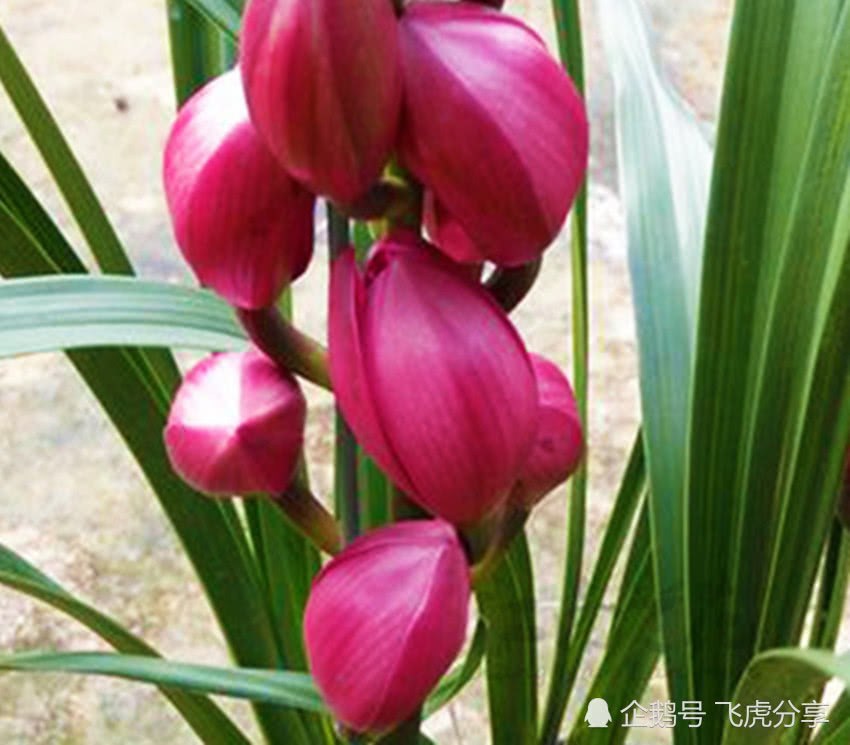
Like other plants, orchids have strong vitality. The reason home-grown orchids do poorly is simply not understanding their growing habits. Every plant has its own habits, just like people, each with its own way of life. As long as you manage it by following its growing habits during care, there is no reason it won't grow well. Today, the editor will introduce the six most important points in the process of growing orchids, the "six don'ts," which are also the six common mistakes beginners tend to make in care methods.
1. Don't use so many messy potting mixes. Many orchid beginners find it a real headache deciding what potting mix to use for orchids. Sometimes they gather a lot of information, all kinds of mixed potting mixes, blended potting mixes, hard materials, soft materials, and in the end, the ones that won't grow still won't grow, and the ones that rot still rot just the same. When too many potting mixes are used, watering becomes a problem. Everyone knows not to water when it's dry, but for beginners, what is dry? What is wet? I'm afraid it's hard to grasp without a bit of practical experience. So, there's no need to chase after those fancy potting mixes when growing orchids, such as: humus soil plus sand, peat soil plus pine needles, aren't those just fine? 2. Don't fertilize too much. Orchids themselves grow slowly and simply don't need much fertilizer. Generally, potting mixes blended with humus soil don't need fertilizing. If fertilizing is truly needed, use diluted fertilizer, and be sure to avoid concentrated fertilizer and raw fertilizer.
3. Don't water immediately after planting. Orchids need repotting after about two years of growing, but many flower lovers think first of watering after repotting. Orchids are fleshy-rooted plants with sufficient moisture in their roots, so they won't dry out and die if not watered for two or three days. Moreover, during transplanting, an orchid's roots are already damaged. If watered immediately after planting, the roots will struggle to adapt and are most vulnerable to invading pathogens. The correct approach is to wait two or three days after planting before watering, and water thoroughly. 4. Don't always be fond of watering. Many cases of orchid root rot are related to water. Some potting mixes look dry on the outside, but inside they are still soggy. If you only look at the outside and don't know whether it's dry or wet inside, and only know to water, how can it stand it over time? It's fine for an orchid to be a bit on the dry side; the real fear is being unable to control watering.
5. Don't let the orchid-growing environment be dry and airtight. Orchids love a moist and airy environment during growth. If the growing environment is dry and airtight, nine times out of ten they won't grow well, and they are also most vulnerable to invading pathogens. So, when caring for orchids, you must ensure a moist growing environment and good airflow. 6. Don't move it around casually. Some people, when they have nothing to do, always love to fiddle with their flowers, now touching the leaves, now moving the flowers, now putting them here, now moving them over there. Fussing back and forth like this, how can it stand it? So, don't always disturb it. Give it a quiet growing environment, and only then can it bloom beautiful flowers for you.