Growing Clivia with different potting mixes: the results of three pots side by side are obvious at a glance
Many families like to grow Clivia; its leaves stay emerald green all year round, and its flowers are bright and eye-catching, giving the home a gentlemanly elegance. Anyone who grows flowers knows that the most important thing for growing Clivia well is the potting mix. When I repotted my Clivia last year, I deliberately prepared three different potting mixes for three pots of Clivia. After more than a year of growth, I found the results were very different. Good soil really does grow good plants.
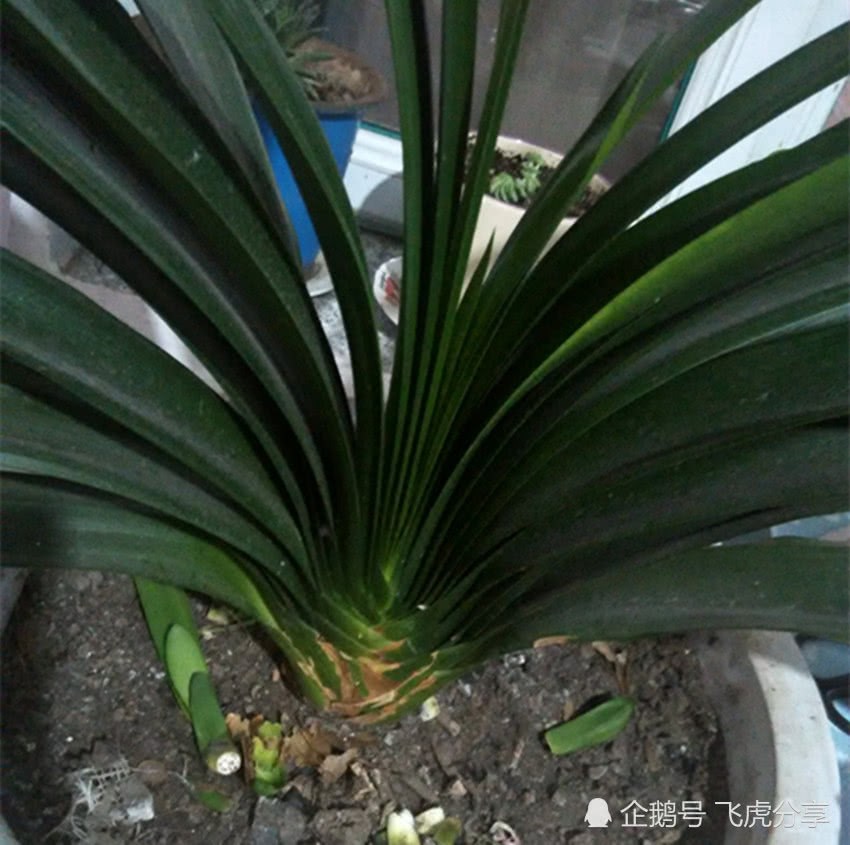
1. This pot of Clivia was transplanted using a mix of leaf mold, dried cow dung, and river sand. It has been a year and a half from transplanting to now, and no fertilizer at all was applied in between, yet it has grown thick, plump leaves, both dark and green, and can send out four or five leaves every year. Normally there is basically not much to worry about; just water it every ten days or so, and care is very easy. The only regret is that the leaves have never been wiped with water, and a lot of dust has settled on them, making them look rather unattractive. If the leaves were sprayed with water often, they would look glossy green and bright.
2. The soil for this pot of Clivia was made by mixing pine needle soil and tree bark, and no fertilizer at all was applied in between either. It still grew fairly well, except the leaves were slightly yellow, but its growth was clearly not as good as the pot above. If a little dilute fertilizer were applied regularly during normal care, its growth might not be much worse, but applying fertilizer in between is very troublesome, and if done poorly it easily burns the roots. It would be better to just use the first potting mix; even without fertilizing, it still grows vigorously.
3. It is very obvious that this pot of Clivia is not growing well; even the lower leaves have already turned yellow. It was made by mixing garden soil with tree bark, peanut shells, and granular potting mix. Although such a potting mix looks very good, it lacks nutrients inside, and watering is also hard to get right. If too much garden soil is used, it easily becomes compacted; if too little is used, hollow roots are likely to occur. Among the three potting mixes above for growing Clivia, if you were to choose, which one would you pick?