A small detail in growing clivias, orchids and succulents determines whether you can grow them well
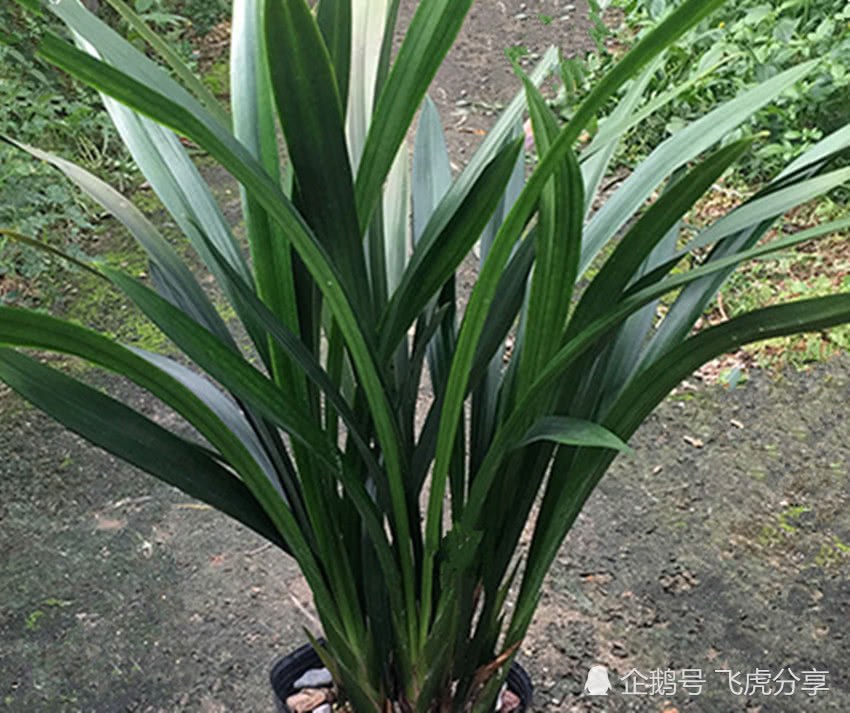
When growing clivias, orchids and succulents at home, they usually need to be repotted about every two years, and these flowers also need repotting right after you buy them. But it is exactly a small detail during repotting that many people overlook. And it is precisely this small detail that causes many flower growers' plants to develop problems soon after repotting. Therefore, mastering this detail is the key to growing clivias, orchids and succulents well.
For clivias, orchids and succulents, whether newly bought or in need of repotting, the roots must be trimmed before potting up, that is, removing excess, rotten and withered old roots. After trimming the roots, there will certainly be wounds on them. Many people, after trimming the roots, just transplant the plant straight into the pot without a second thought, and immediately water it, afraid that their newly planted flower will dry out. But it is exactly this detail that causes many growers' clivias, orchids and succulents to develop root rot and yellow leaves, and some die not long after. This is clearly a wrong way to grow flowers.
As is well known, the roots of clivias and orchids are fleshy roots with a high water content, and wounds on the roots are unavoidable during repotting. Watering immediately after potting can easily infect the root wounds and eventually cause the roots to rot. The correct way to repot is to first spray the soil with water and mix it evenly to make the soil moist. Then transplant, and do not water immediately after transplanting; wait two or three days before watering. By then the root wounds have basically healed. The same applies to succulents. If you water immediately after transplanting and cannot judge the amount well, the root wounds have not yet healed, which may eventually lead to root infection and rot. So whether you are growing clivias, orchids or succulents, you must follow the principle of "dry roots, moist leaves." Only when the roots are grown well will the stems and leaves naturally be fine. But growing roots dry does not mean making the soil very dry; keeping it moist is enough.
In addition, after trimming the roots, you can sprinkle a layer of plant ash on them or spray some sulfur powder, which can promote rapid healing of the wounds and prevent infection by pathogens. Furthermore, when transplanting, the gaps around the roots must be filled completely with potting medium to prevent empty-root pockets. The placement environment must also ensure good ventilation.