It's the perfect season to get a gardenia, and northern gardeners shouldn't miss out
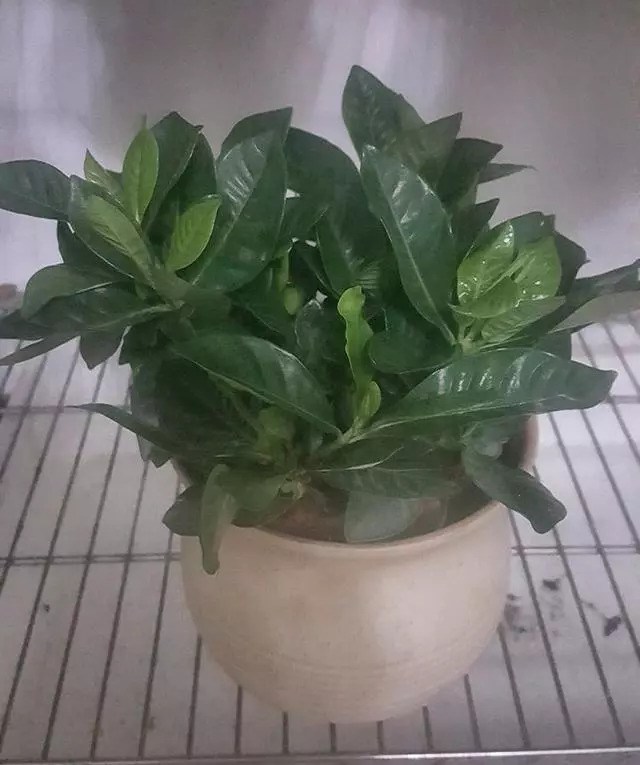
Many gardeners can't keep gardenias alive in the north, but the gardenia I got last year has bloomed smoothly this year. I've summed up my experience to share with everyone
1. When buying a gardenia, it's best to choose a seedling grown in peat soil (you can pot it up without changing the soil to reduce root damage, making it easy to establish), and ideally a gardenia with a smaller canopy (it will be easier to provide a high-humidity environment for healthy growth later on); buy in late summer or early autumn (when it starts entering its peak growing season, giving it plenty of time to adapt to your home environment; most importantly, you'll have flowers to enjoy the following year), and it's best if it has no flower buds (off-season budded seedlings are abnormal, don't live long, and won't grow large).
2. After getting it, prune it directly and pot it up (soil mix options: red soil/pine bark/volcanic rock at 3:2:1; or acidic peat/perlite at 5:1; a clay pot is best) and place it in a shaded spot for care; if the branches and leaves dry out and wilt from dehydration, you can cover it with a plastic bag to retain moisture, ventilate for 1-2 hours every morning and evening, gradually reduce the bagging time after a week, and gradually increase light to harden the seedling. After about 1 month, if it can grow normally and continuously sprout new shoots, it means it has established, and you can start fertilizing. An organic liquid compound fertilizer is best. During this period, leaf drop and yellowing leaves are normal, and not every plant will make it.
3. In winter, reduce water and stop fertilizing, letting the gardenia enter full dormancy. Provide an environment of 5-10°C with appropriate light. If you have indoor heating, pay special attention: if the temperature is too high, the gardenia won't go dormant, and it will bloom less or abnormally the following year.
4. In spring, as temperatures rise, start fertilizing once the gardenia begins to sprout new shoots, focusing on phosphorus and potassium fertilizer; it's best not to prune in spring, otherwise it will delay or prevent blooming; during spring bud formation, provide a high-humidity environment by frequently misting the leaves and placing it on a moisture-retaining tray, until flower buds appear, then stop misting to avoid bud drop; for light, 70% direct sunlight for 10 hours or more is best. Blooming generally begins in May, and once every branch has grown buds and they have opened, prune and repot as needed.
5. In summer, when the temperature is above 30°C, the gardenia will enter a semi-dormant state with slow growth. Reduce water and stop fertilizing, mist appropriately, provide partial shade, and watch out for pests and diseases.
Then it's autumn again: water when dry and let it dry out between waterings, apply organic liquid compound fertilizer once a week, or alternate water-fertilizer-water. For water, you can use fermented rice water diluted with 5 times tap water, or the best option is acidic water made by diluting salt-free white vinegar with water at 200 times. Alright, I wish you success in seeing your own gardenia thrive in the north too.