Doing one small thing when caring for flowers in autumn can help them live 10 years longer
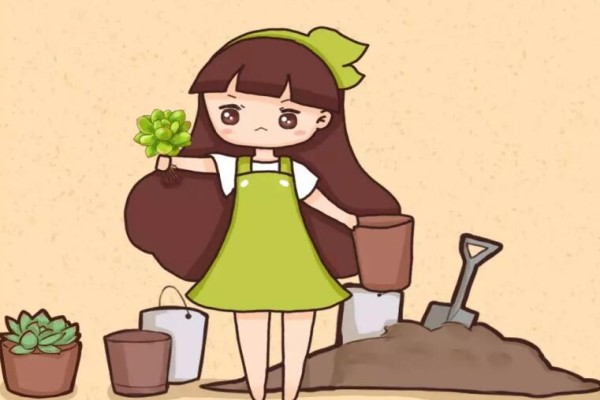
Why prune roots?
1. Reduce infection by pests and diseases
After a flower has been grown for a period of time, the root system more or less has problems - rotten roots, decayed roots, dead roots, old roots. After pruning, the chance of the plant being infected by pests and diseases can be greatly reduced.
2. If old roots are not removed, new roots will not grow
Old roots grow slowly and waste nutrients; after the fine capillary roots that absorb water dry up, they will also inhibit the growth of new roots, so root pruning is a must. The wounds caused by root pruning will also stimulate the plant and speed up rooting.
In which situations is root pruning needed?
1. Bare-root succulents bought online need root pruning
Succulents and cactus balls bought online may carry insect eggs, mold, and other diseases stuck to the roots or leaves. If planted directly, they can easily infect other flowers at home, so root pruning is a must. But woody and herbaceous flowers do not need root pruning.
2. Root pruning is needed when repotting and transplanting
When repotting, if you find that the plant has dried-up or rotten roots, you need to prune the roots to avoid affecting subsequent growth.
How to prune roots correctly?
1. Stop watering and take the plant out of the pot
Before pruning roots, stop watering for 7 days. When the soil is almost dry, dig out the whole plant together with the soil, and carefully clean off the soil.
2. Prune the root system
Keep the healthy main roots and well-growing new roots, and properly prune dried roots, rotten roots, white capillary roots, reverse-growing roots, and overly long roots. When pruning roots, you can also clean up the dried leaves along the way.
3. Wash the roots
After pruning, soak the roots in a carbendazim solution diluted 1000 times for 20 minutes to sterilize and disinfect.
4. Dry the roots
Place the pruned plant in a ventilated place with indirect light to dry for 1~2 days, to speed up wound healing and prevent black rot during cutting or transplanting.
5. Pot in moist soil
Choose loose, breathable nutrient soil, spray it moist to make it moist soil, and transplant the dried plant back into the pot. At this time it is in the acclimation period, so avoid direct light, and water again 3~5 days after transplanting.