How to grow figs? Fig cutting propagation techniques
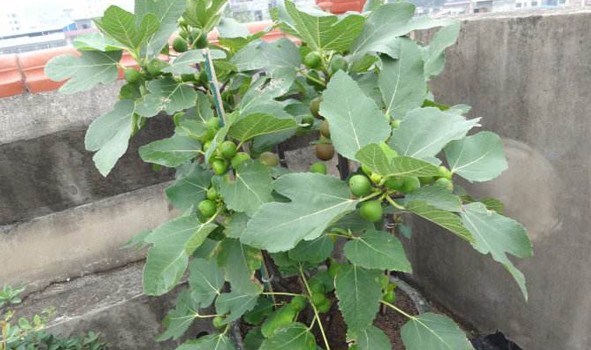
Many readers say they want to grow some fruit at home, and in fact many crops can be propagated from cuttings, such as the fig. The fig combines medicinal value and edible value in one, making it a potted fruit tree with relatively high profits. Let's learn together with the editor how to take fig cuttings in hot weather.
1. Choosing branches
Summer fig propagation is mainly green-wood cutting. Before cutting, you can choose semi-lignified branches of the current year's growth and cut them to about 10 cm. To allow photosynthesis, you can keep two or three leaves, but to reduce evaporation, you can cut off one-half to one-third of each leaf.
2. Choosing a good substrate
Compared with hardwood cuttings in spring, green-wood cuttings are more tender and rot more easily, so the substrate must have strong drainage and aeration. At this point we can choose sterilized plain sand or sterilized vermiculite; these are all good choices and very helpful for the survival of the cuttings.
3. Cutting, with proper shading
Before inserting the cuttings, you can simply disinfect them, then dip them in rooting powder and insert them about one-third of the way into the substrate. Never insert them too deep, to avoid rot.
4. Keeping warm and moist
To increase the survival rate, you must keep them warm and moist. During this period, pay attention to spraying water on the cuttings; if you find that troublesome, you can cover them with a layer of plastic film. This ensures temperature and humidity, but note that you must not forget to open the film every day to let in air.
5. Points to note
Generally speaking, in about 20 days the cuttings will be able to take root and sprout. Do not be impatient and pull them out to see whether they have rooted, as this may waste all your previous efforts. After they take root and sprout, do not rush to transplant them; transplanting can be done in autumn when the leaves fall, and the survival rate is especially high. Generally speaking, with proper care, cuttings of figs can bear fruit the next year.