Clever use of 3 kinds of black materials for growing orchids: strong roots that don't rot, more flower buds and a rich floral fragrance
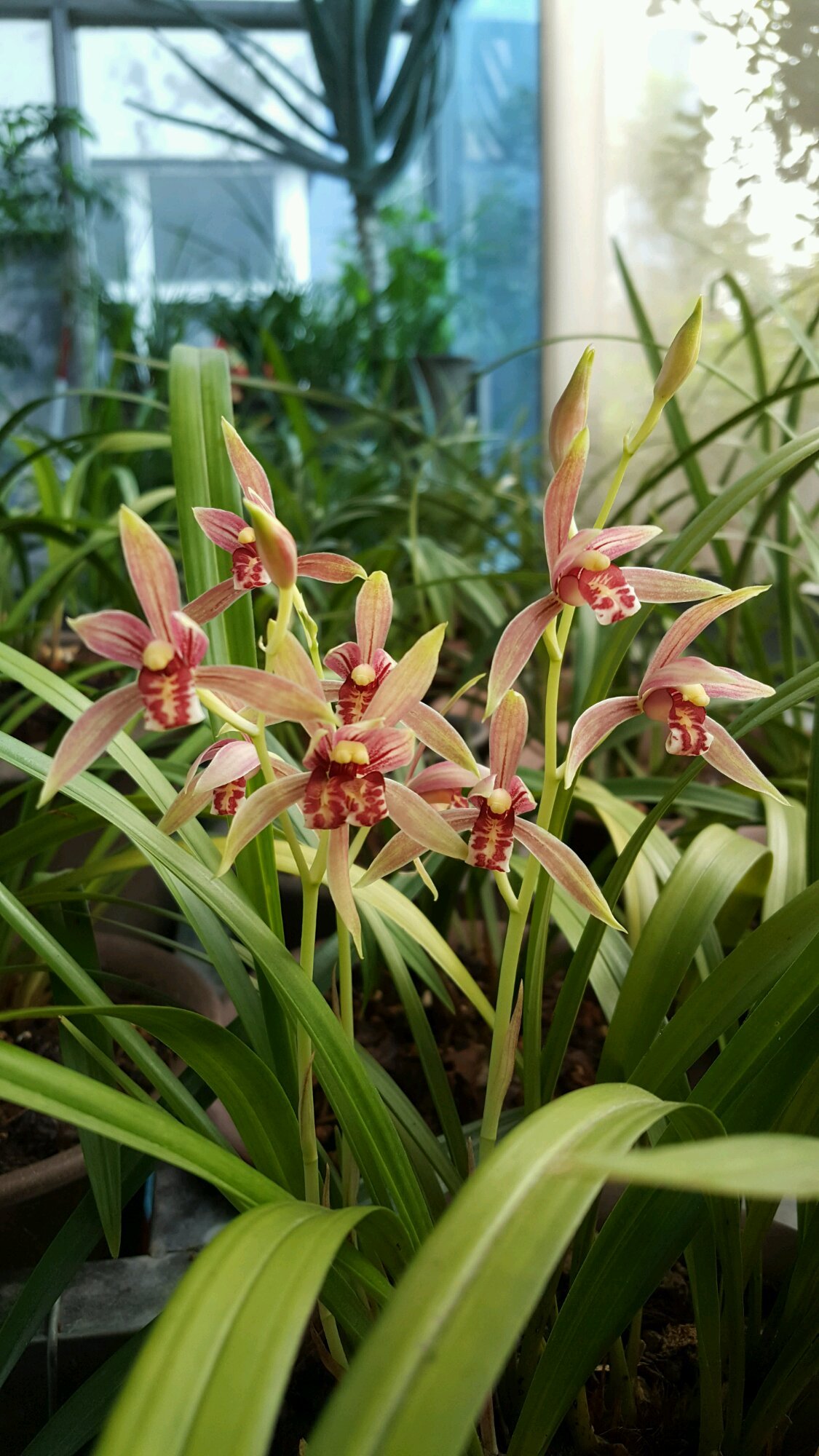
For growing orchids, "seven parts depend on water, three parts depend on fertilizer." Besides the potting medium, water and fertilizer are also important factors for growing orchids well. Entering autumn, it is once again the vigorous growth period for orchids, and also the period when orchids need a large amount of fertilizer. Orchid enthusiasts who want to see orchids bloom and smell the floral fragrance need to pay attention to supplementing fertilizer at this time, otherwise it will be difficult to see flowers.
So how should you supplement fertilizer for orchids? When growing orchids, make good use of 3 kinds of "black materials," and the orchids will be less prone to root rot, with vigorous roots and strong plants, flower buds sprouting abundantly, and flowers blooming with fragrance for ten li.
1. Sheep manure
Sheep manure contains a large amount of nitrogen, phosphorus and potassium elements, so it is quite good for growing orchids. Many orchid enthusiasts like to use it, either mixed into the potting medium or spread on the pot surface. Its fertilizer effect is released slowly and it is not likely to cause fertilizer burn. Used for growing orchids, its safety factor is relatively high.
Although sheep manure is easy to use, it still needs to be processed, because it contains a certain amount of salt. So what should be done? First, dry it in the sun, then soak it in water for about 2 weeks, changing the water 2-3 times during this period. When changing the water for the last time, you can add some insecticide and fungicide and soak it. Put the soaked nutrients in a bag, seal and ferment for half a year to one year before use, but remember to expose it to the sun for a few days before use.
2. "Black water fertilizer"
When growing orchids in autumn, mainly provide phosphorus and potassium fertilizer to promote flower bud differentiation. Wild orchids mostly like to grow in places with high humus content. Nowadays, orchids are mostly grown with granular potting medium, which has more inorganic matter and less organic matter, so it is necessary to appropriately supplement some organic fertilizer to meet the growth conditions of orchid fungi, so that orchid roots can grow better.
We can use an organic nutrient solution specially made for orchids. This is completely fermented from sugarcane, so it looks black, but it does not contain added hormones. It can be diluted 1000 times and applied once every 10 days. It can strengthen roots and promote flowering. It makes up for the shortcomings of granular potting medium, and the root-growing effect is even better. With good orchid roots, the orchids are strong, bloom abundantly and are fragrant.
If the orchid is in the leaf bud germination stage, then at this time it is necessary to supplement some nitrogen fertilizer. We can use a general-purpose organic nutrient solution with balanced nitrogen, phosphorus and potassium, which can be applied to both roots and leaves, making orchid leaves glossy green and full of spirit, and the leaf buds grow quickly and strongly, and are not prone to rot.
3. Plant ash
Plant ash is also a very good fertilizer and is used relatively often in rural areas. Used for growing orchids, it also has great benefits. It mainly plays 2 roles: one is serving as potassium fertilizer, and the other is serving as a "preservative," because it has a certain sterilizing and disinfecting ability. During the high-rot period in summer, its anti-rot effect is not bad.
In early autumn, the "autumn tiger" prevails, and anti-rot is still the focus of growing orchids. But in autumn, there is also the climate characteristic of dryness, so water is indispensable, otherwise it will be difficult for orchids to sprout and also difficult to bloom. But on occasional high-temperature days, if watered too much, orchids will still be at risk of rot. To water accurately, we can use a plant and flower detector. Insert it into the soil, and when the data shows 20%-30%, you can water the orchids. Water at the right time and avoid water accumulation, and the orchids will grow better and better.
To prevent rot, plant ash can also be used at this time, but everyone also knows that plant ash is alkaline, while orchids like a slightly acidic environment. The two conflict, so plant ash cannot be used in large amounts. If mixed into the soil, an amount accounting for 1/10 of the total potting medium is enough. More simply, it can be directly sprinkled on the pot surface. When watering, the fertilizer components disperse into the soil with the water, protecting roots and supplementing fertilizer.
If you want orchids to grow well, you still need to be a bit particular about using fertilizer. Have you ever used these 3 kinds of "black fertilizer"?