Soil compaction when growing flowers? Stop watering and do 3 steps, after 60 days the soil is loose and the flowers burst out of the pot
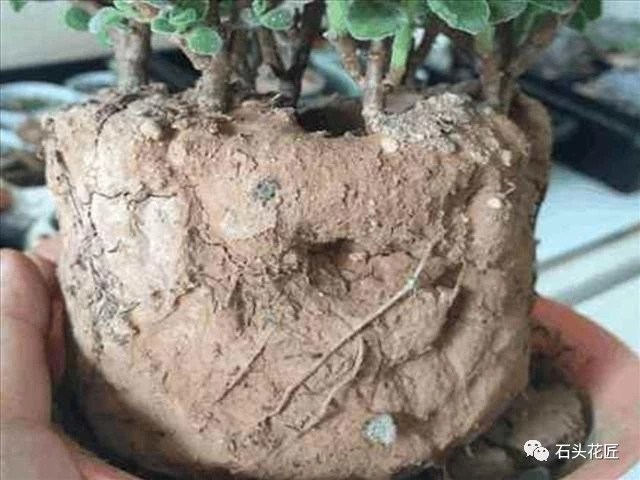
More and more people like to keep some green potted plants at home or in the office, as they can decorate the surrounding environment, and also purify the air and absorb radiation, but many flower growers have also run into the situation of soil compaction in their flower pots. Soil compaction means that the soil in the flower pot has formed hard clods; because the soil has become hard, the plant roots find it very hard to penetrate deep into the soil, and they also absorb fewer nutrients, which makes the plant grow yellower and yellower, and even die.
When growing flowers day to day, the appearance of soil compaction is closely related to the soil chosen at the start and to the usual watering method. Generally, when growing flowers, it is best to choose a loose, breathable mixed soil when potting up, and then when watering, each watering must soak all the way through; otherwise, soil compaction is very likely to appear. If you find that the soil in your flower pot has become compacted, then stop watering at once and repot with fresh soil. So the topic shared today is:
Soil compaction when growing flowers? Stop watering at once, do these "3 steps", after 60 days the soil is loose and the flowers burst out of the pot
Sometimes many friends say their flowers are not growing and are showing yellow leaves; in fact this is also closely related to soil compaction, because when the soil is compacted, the plant finds it very hard to absorb nutrients from the soil, so poor growth naturally appears. To deal with this problem, you need to do the following three steps right away:
Change the soil.
Once the potting soil for growing flowers becomes compacted, stop watering at once. After the soil dries, repot the plant with fresh soil. Because after the soil compacts, it forms very large clods inside the flower pot, the plant roots find it very hard to penetrate down and absorb nutrients, and new roots find it very hard to grow, so you need to change the soil. Mix garden soil, sand and humus soil in equal proportions. The resulting mixed soil can be used to grow flowers, because adding humus soil and sand can greatly improve the soil's breathability, and in future growing it will reduce the probability of soil compaction appearing.
Water thoroughly
When watering in the future, you must make sure to water thoroughly every time. The standard for watering thoroughly is that after pouring water in from the top, water can leak out from the bottom of the flower pot. This ensures the whole flower pot is open and airy from top to bottom. Half-measures with water are forbidden, because watering only half way each time, pouring only to the middle of the pot, causes the middle or lower soil to stay dry the whole time, and in the end it gradually compacts. So every time you water the flowers, the water must soak all the way through.
Loosen the soil
Besides paying attention when choosing soil and watering, in daily care you must also pay attention to loosening the soil in the flower pot in good time; use a small flower-growing tool to turn over and loosen the soil around the edge of the pot, which can make the soil in the pot loose and breathable.
This is especially true when growing Kalanchoe blossfeldiana (flaming katy); soil compaction easily appears, also because of improper soil choice and improper watering, which is how this situation arises. It affects the plant's healthy growth. Therefore when growing flowers, no matter which kind of flower it is, first choose a loose, breathable soil for it, take care to water thoroughly every time, and loosen the soil in daily care, so as to ensure the plant roots have a good growing environment.
If you find this useful, please like it below, follow, and forward it to more friends.
I am [Stone Gardener], and I share little flower-growing tips every day, remember to follow.