Summer flowers rotting at the roots and turning yellow leaves, all because of applying these 2 kinds of fertilizer
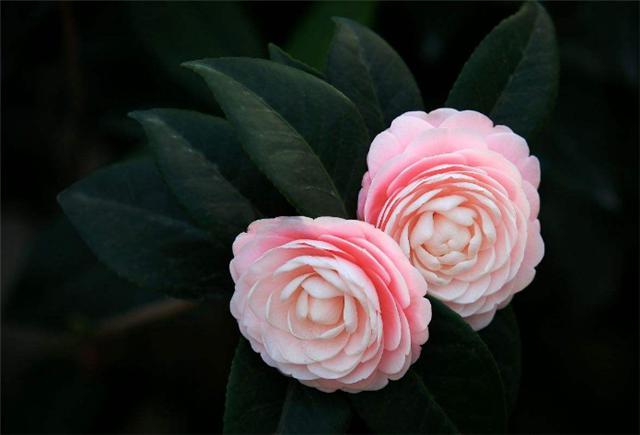
There are more and more flower lovers, and some of them say they cannot keep any flower alive no matter what they grow, which is inevitably a bit of an exaggeration. Nowadays there are few flower lovers who cannot grow flowers well, because with the spread of the internet and books, plus their own flower-growing experience, over time, even some difficult-to-grow flowers can be grown well. Growing flowers is thirty percent about fertilizer and seventy percent about water. Although watering is very important, fertilizing cannot be omitted either, so you need to know some basic tips about fertilizing.
1. Do not apply strong fertilizer in summer
When fertilizing flowers in summer, pay attention to applying thin fertilizer frequently, because if the fertilizer concentration is too high, it will damage the plant's root system and cause root rot. After root rot, the plant will show yellow leaves and dropping flowers. In summer, the pot soil temperature itself is already high, so even more so, do not apply strong fertilizer, to avoid burning the roots. Applying some dilute liquid fertilizer once a month is enough.
2. Do not fertilize at noon in summer
In summer, when the weather is hot, you can fertilize in the evening. Do not fertilize at noon, to avoid damaging the roots. In the evening, when the temperature cools down, it is just right for fertilizing. Fertilizing at night, transpiration will also consume some energy, so you can fertilize at night. The next morning, you can water once, so the fertilizer can be fully utilized.
3. Fertilizing precautions
When fertilizing, you should also keep away from the plant's root system to avoid burning the roots. Some fertilizers can improve the acidity and alkalinity of the pot soil, so acid-loving flowers should not be given alkaline fertilizer. For example, gardenia and camellia cannot be given urea or calcium-magnesium fertilizer; ferrous sulfate solution can be applied instead.
Flower lovers now have a certain understanding of flower fertilizing techniques, right? When growing flowers in summer, be sure not to apply strong fertilizer, pay attention not to fertilize at noon to avoid burning the roots, and also pay attention to whether the flower itself is an acid-loving or alkaline-loving flower, so you can choose the suitable fertilizer to apply, and the flowers will bloom even more beautifully!