Treat old potting soil this way, and it will be more fertile and easier to use than commercial potting mix
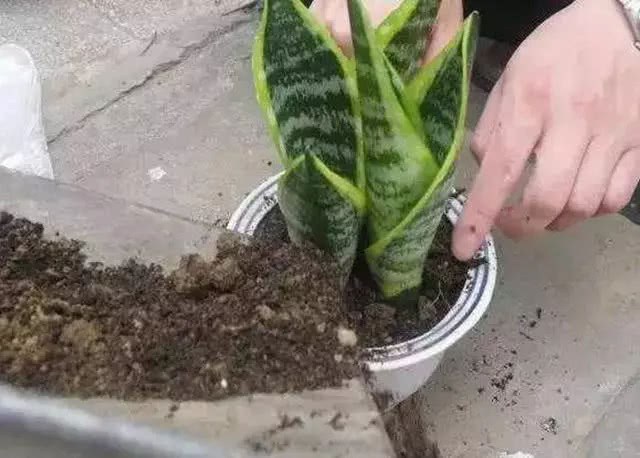
In autumn, many flowers enter their growing season, the temperature is just right, and it is also a suitable season for repotting. So how should the soil left over from repotting potted plants be handled? Can it be reused? If it cannot be reused, then for some friends living in apartment buildings, carrying this soil back and forth is quite a tiresome job,
Actually, the soil left over from repotting can be reused, but we need to put it through a series of treatments to make it full of nutrients again, loose and airy
1. Because the old soil left over contains many rotten roots and dead leaves, you must clean them out thoroughly, so they do not rot in the pot and breed pathogens, making the potted plant sick
2. Because the original potting soil has been used to grow plants for a long time, the organic matter in it has been used up, so much of the potting soil becomes compacted or alkalised, which is not good for plant growth. We need to mix in some organic matter or mix in a medium with good air permeability, such as some leaf mould, large-particle river sand, so the soil can become loose, airy and nutritious again,
3. Put the cleaned potting soil in the sun and let it bake for a few days to kill the insect eggs or pathogens inside, because many pest eggs are in the soil. If the eggs are not killed, then after planting flowers later, if a few worms crawl out, what a spoilsport thing that would be
We can water it thoroughly with a carbendazim solution or mix carbendazim into the soil to sterilise the old soil and prevent infection by pathogens
In this way the old soil becomes clean, safe new soil full of nutrients
4. If there is too much soil left over from repotting, we can also use the old soil to make compost. In autumn many leaves fall, and we can put the fallen leaves, fruit peels and kitchen scraps etc. into a large bucket, layering one layer of soil and one layer of rotten leaves, seal it to ferment, and make our own leaf mould. But these leaves need three to four months to ferment; made in autumn, it can only be used the following spring, and by then it will have become leaf mould extremely rich in nutrients
Of course, if the original potted plant died from disease or withering, or had root rot, leaf blight, etc., then this leftover soil is not recommended for reuse, to avoid causing pathogen infection in future potted plants