How do you grow clematis? Six steps to help you grow this flower with unique elegance and a wide range of colors
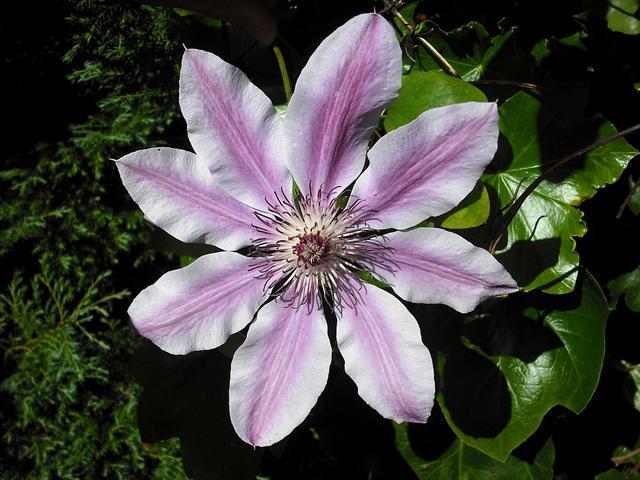
Clematis is a perennial deciduous plant. Its stems have a twining growth habit, and its flowering period is especially long, lasting from spring all the way into late autumn. It comes in many colors, commonly white, red, and others, and its plant form is also rather unusual. The flowers are beautiful, and when in bloom they also give off a fragrant scent. Below is an introduction to how clematis should be cared for in autumn:
1. Choosing a flower pot
Actually, when it comes to caring for clematis, any flower pot will do, but the bottom must drain water, and it is best to line the bottom of the pot with a layer of pot-bottom stones. The growing medium should preferably be loose, breathable, water-retentive and fertilizer-retentive, and the surface of the pot can be covered with a layer of pine bark or other garden mulch.
2. Soil mixing
When growing potted clematis, the most important thing to pay attention to is the choice of soil. Be sure it is airy and moisture-retentive. Clematis all like soil with good drainage, so the editor suggests a soil mix of coconut coir : peat : perlite at a ratio of 3:1:1. Peat soil has fairly good water and fertilizer retention, and adding some perlite can further improve aeration and drainage.
3. Temperature
Clematis is a plant that likes warmth. The temperature most suitable for its growth is generally between 15 and 25°C. It does not tolerate high temperatures. In summer, once the temperature exceeds 35°C, leaves will turn yellow and even drop off, so when getting through summer we need to cool the clematis and shade it, trying as much as possible to avoid direct midday sun.
4. Light
It is a plant that likes to receive plenty of light. During its peak growing season, we should provide it with more than 6 hours of light every day. Apart from needing shade and sun protection during the high-temperature season of midsummer, in other seasons, such as autumn, we should place it in a spot with ample light so it can receive plenty of sunlight to promote growth and rooting. When it is not summer and it is not being exposed to harsh sun, it can be placed in an east- or west-facing position on a balcony.
5. Watering
When watering clematis, once the surface soil of the clematis looks dry, it should be watered promptly, and each time we water we should water thoroughly. During cultivation, the soil must not stay too dry or too wet for long periods. During the peak growing season, when the surface soil of the clematis has not yet dried out completely but the plant is not yet showing water-stress wilting, water it thoroughly in time. When the clematis is in its dormant period, it only needs to be kept slightly moist. (When clematis is in its deciduous dormant period, water and fertilizer need to be reduced, and the frequency can also be reduced.)
6. Fertilizer
Clematis is a flowering ornamental plant. It likes fertilizer with a bit more phosphorus, suitable for use during the peak growing season and when clematis is forming buds. The flowering season of clematis is very long, so its ability to bloom continuously is also fairly strong. Therefore, when clematis is in its flowering period, we can supplement fertilizer as appropriate, generally using it about 2 to 3 times per month.
Clematis is a flowering ornamental plant with its own unique beauty. Friends who like it, after seeing this article by the editor, should save it right away!