Clivia watering time hard to master? Keep this detailed watering guide
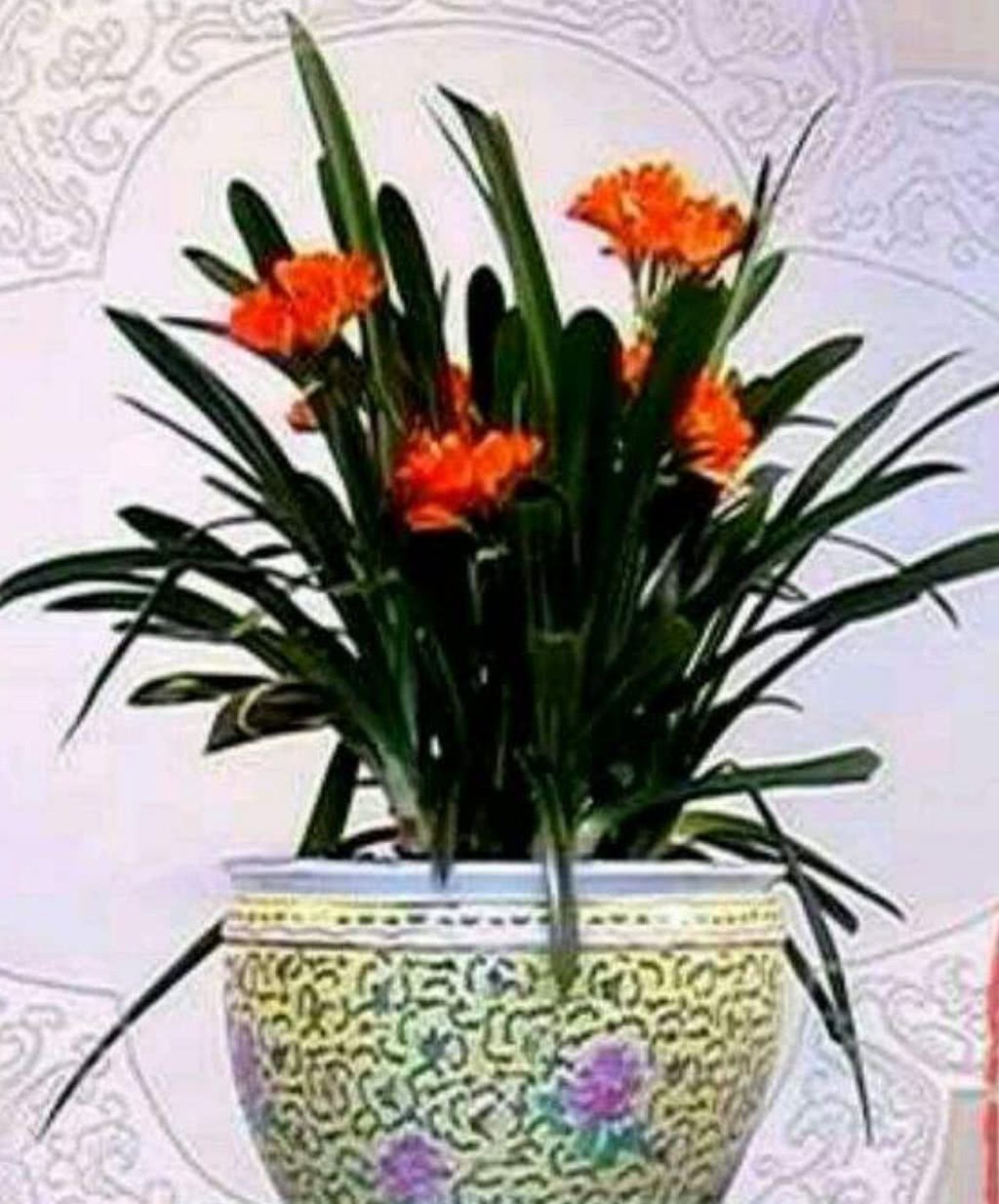
Clivia is a typical greenhouse flower, and for many flower lovers growing Clivia, the most troubling problem is watering. Some flower lovers ask, how often exactly should you water Clivia? How much water at a time? Why does my Clivia always suffer from root rot?
In fact, Clivia watering cannot be regulated by specific days and times. Because the seasons differ, and the growing environment, surrounding temperature and humidity, the pots used and other conditions all vary, if you rigidly set a specific time to water it, it will only cause root rot from overwatering or dry roots from excessive lack of water.
Experienced flower lovers know that Clivia has fleshy roots with a certain water-storage capacity, and it has extremely high requirements for soil and water. Ordinary nutrient soil and watering methods are far from meeting its needs. It likes coarse growing media that drain and breathe well and are relatively light in texture, and it does not like heavy watering. For the soil mix, it is recommended to use decomposed leaf mold or pine needle soil plus an appropriate amount of peanut shells, coarse sand and roasted hemp seeds. Small pieces of charcoal can be placed at the bottom of the pot, which both drains water and helps sterilise the roots. When many flower lovers fail to grow Clivia well or keep it for long, most of the reasons lie in an unreasonable soil ratio and watering too frequently.
Besides the soil, the watering time for Clivia also differs with different pots. Clay pots, ceramic pots and other flower pots with better air permeability lose moisture quickly, and the potting soil dries quickly too. Plastic pots or porcelain pots have poorer air permeability, so moisture evaporates relatively more slowly. Watering time also differs with the seasons: in summer the temperature is high and evaporation is great, so watering should be slightly more frequent, while in winter the temperature is low and evaporation is relatively small, so the watering interval should be longer. In dry weather, air humidity is low and the potting soil dries quickly; in rainy weather, air humidity is high and the potting soil dries slowly.
With different growing environments, Clivia's water requirement also differs. Some flower lovers' Clivia is near a window with good air circulation, so the soil dries quickly and watering should be relatively more frequent. While some flower lovers like to place Clivia in the middle of the living room, far from the window, where ventilation is poor, so the soil dries slowly and watering should be relatively delayed. Therefore, there is no rigid rule for watering Clivia. Because most Clivia growing uses coarse growing media, the surface soil dries easily, so many flower lovers think the Clivia lacks water and hurry to water it, not knowing that one extra watering can mean possible root rot.
If you find the surface of the potting soil is already dry, you can dig a little with your hand and test a few cm below the potting soil; if you can clearly feel moisture, it means the Clivia does not lack water. You can also lift the pot to estimate its weight; if it clearly feels rather light, it means you can water. Experienced flower lovers will also insert a chopstick into the potting soil before watering; if the lower half of the chopstick is moist, it means the Clivia does not lack water.
In short, when growing Clivia, you must get watering just right. Do not go by days and times; when watering, slowly pour along the pot wall, do not flood it heavily, especially during the flowering period. Also do not spray onto the leaf core, to prevent poor ventilation from causing the leaf core to rot. Usually keep the potting soil slightly moist, and do not water when it is not dry; your Clivia will surely grow well.