How to grow Anthurium andraeanum and what to watch out for - water culture is even more elegant
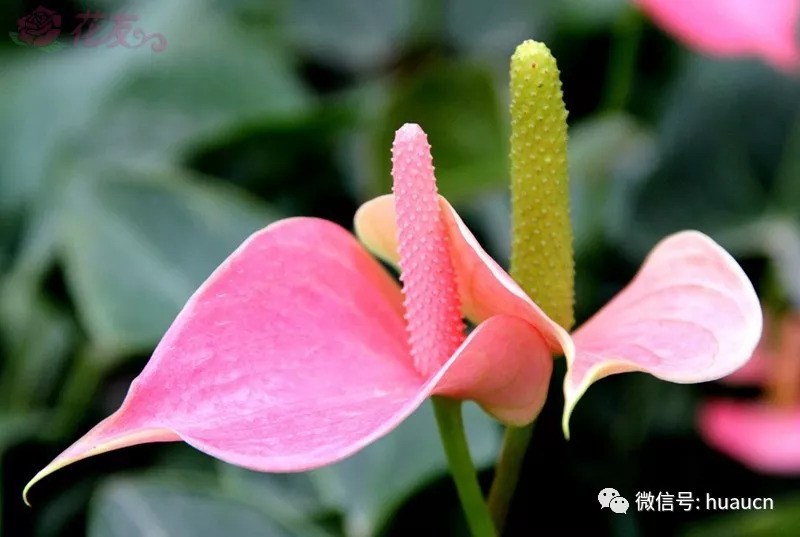
Anthurium andraeanum is a perennial evergreen herbaceous flower. Its blooms are unique, with bright and gorgeous spathes in rich, highly varied colors and a long flowering period, so many flower lovers like to grow it at home. So how do you grow Anthurium andraeanum? Below, Flower Friend shares with you the growing methods and precautions for Anthurium andraeanum.
Anthurium andraeanum: water culture method
1. Soil
It is best to choose loose, breathable, well-drained fertile soil. You can mix peat soil or leaf mold with perlite to make a nutrient soil, and you can also add some base fertilizer to ensure the soil's nutrients. Some broken bricks can be added to the bottom of the pot to help with drainage.
2. Watering
Anthurium andraeanum likes moisture and fears drought, so keeping the potting soil moist is very important; the water is best slightly acidic. In summer, the water requirement is relatively large, so you can water once every 1-2 days. Never let water accumulate in the pot, as long-term soaking in water easily causes root rot. When the weather is too dry, you can spray some water on the leaves. In winter, watering should be reduced.
3. Light
Anthurium andraeanum likes shade. During care, it is best to place it in a shaded area, but it should not be completely cut off from light; if it is completely kept away from light, the plant will lose its luster. So proper shading in the sun is enough. When the light is weak in winter, it does not need shading, and it can safely bask in the sunshine.
4. Temperature
Anthurium andraeanum likes a warm environment and fears both high temperatures and cold. The most suitable temperature for its growth is 19°C-25°C. When the summer temperature is too high, pay attention: generally when the temperature is above 25°C, ventilate promptly to disperse the high temperature, and when the temperature is above 32°C, growth may stop. In winter, when the temperature is low, pay attention to frost protection. When the temperature is below 13°C, it enters dormancy, and it can be moved indoors or wrapped in a plastic bag.
5. Fertilizing
When the soil is fertile and nutrients are sufficient, the plant will naturally grow well, so during the growing period you can fertilize appropriately. Generally, fertilizing in the morning and evening gives better results. Fertilizers can be liquid fertilizer, nitrogen fertilizer, phosphorus fertilizer, potassium fertilizer, and so on.
·END·
An interactive platform for flower growing, flower planting, and green plant enthusiasts to chat, show off, and be a bit silly. An online home for sharing flower growing methods and home flower care tips. A fresh flower subscription platform.
Fresh flowers: hyacinth|stock|plum blossom|carnation|camellia|kalanchoe|jasmine|gardenia|peach blossom|balloon flower|osmanthus|calla lily|lily|forget-me-not|clivia|apricot blossom|honeysuckle|milan|peony|sunflower|chrysanthemum|serissa|crown of thorns|tulip|narcissus
Green plants: poinsettia|money tree|pothos|spider plant|dumb cane|lucky bamboo|asparagus fern|aloe|ivy|Anthurium|Monstera deliciosa|Bougainvillea|silk tree|peace lily|Schefflera|boxwood|sago palm|rubber plant|maidenhair fern|snake plant|
huau.cn
……
Search the public account "Flower Friend" or "huaucn" to get the latest information
Business cooperation, promotion. Please contact WeChat private ID:ihuaucn