Orchid "postpartum" fertilizing needs a refined approach: 4 fertilizing techniques beginners must learn
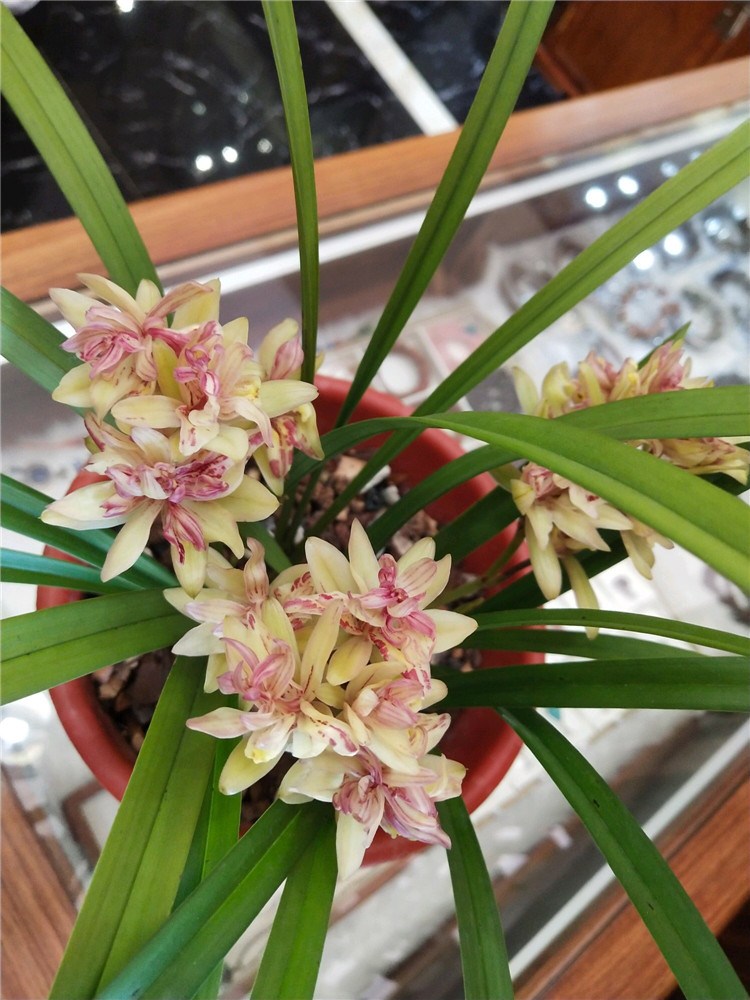
The little gardener has found that experienced orchid growers all share a good habit, and that is "refining" a lot of care knowledge. In fact, when caring for orchids, we need to learn this ability to "refine". For example, with fertilizing, by "refining" it a little for orchid growers, beginners can understand it and see it at a glance. Let's take a look at the "4-stage fertilizing method" for growing orchids (photos from flower friend Huaduoduo).
1. Orchid growth is divided into 4 stages
The 4 stages refer to the 4 different periods of orchid growth: the sprouting stage, the leaf-growing stage, the flower bud differentiation stage, and the post-blooming stage. Old orchid growers say that when growing orchids, fertilizing must be based on the condition of the seedlings. The seedling stage can roughly be subdivided into these 4 periods. After subdividing, fertilizing according to the differences in each subdivision is the most reasonable approach.
2. Sprouting stage: use "sprout-promoting fertilizer"
Without further ado, let's look directly at how to fertilize during the sprouting stage: after spring arrives, as temperatures rise, the orchid will slowly sprout. At this time, we can give it some nitrogen-based "sprout-promoting fertilizer". If repotting, bury bone meal; if not repotting, use Huadongde root-strengthening organic fertilizer. Remember, apply thin fertilizer and avoid concentrated fertilizer.
3. Fast-growing stage: use "nitrogen-potassium fertilizer"
Then, after reaching the leaf-growing stage - the leaf-growing stage refers to the time when the seedlings grow rapidly. At this time, their growth is very vigorous, and topdressing is a must. When fertilizing at this stage, it should still be mainly nitrogen fertilizer. Choose an organic nutrient solution with high nitrogen and potassium content, prepare a spray bottle, and dilute it 500-1000 times before use. Only then will the new shoots grow strong. For small seedlings, foliar application is not recommended. Do not spray fertilizer into the leaf center. These two points are details to pay attention to.
4. Bud-forming stage: use "phosphorus-potassium fertilizer"
Orchids sprout and grow rapidly, and as they grow, they reach the bud-forming stage. When the flower buds are about to differentiate, fertilizing must change 180 degrees. How does it change? Previously, nitrogen and potassium fertilizers were used; now phosphorus and potassium fertilizers should be used to promote and preserve flowers. Ready-made orchid flower-promoting fertilizer works very well. If you have time, you can try fermenting fish intestines as fertilizer, and you can also appropriately use monopotassium phosphate, but it cannot be used too much. Organic fertilizer is safer. Do not use the wrong fertilizer.
5. Making your own fermented fertilizer has its tricks
Although the little gardener encourages everyone to make their own fermented fertilizer - this is a process of recycling waste and one of the joys of care - fermented fertilizer also has its drawbacks. It smells, and family members cannot stand it. If it is not fully fermented, the orchid cannot stand it and root burn will occur. Beginner orchid growers had best try fermenting fertilizer under the guidance of more experienced growers. If there are many people at home, just use Huadongde orchid organic nutrient solution directly. It can not only grow orchids, but also protect your family's health.
6. Post-blooming stage: use "postpartum fertilizer"
So, how should orchids be fertilized after they finish blooming? First, we must have this awareness: blooming is like giving birth, and it consumes a lot of nutrients. Therefore, we can give it some "postpartum fertilizer". In urgent situations, you can spray leaves with monopotassium phosphate diluted 600 times. If there is no obvious nutrient deficiency, using an orchid-specific organic nutrient solution is enough. It is safe and effective.
When old orchid growers grow orchids, just one detail of fertilizing can be "refined" into so many things. Fortunately, these points are all very simple and easy to understand, clear at a glance. For beginner orchid growers, they are easy to digest. So, when you fertilize, do you refine it according to this way of thinking?