When a clivia blooms, it foretells good things to come. How should it be cared for?
Clivia, also known as sword-leaf lycoris and large-leaf lycoris, is an ornamental flowering plant in the genus Clivia of the family Amaryllidaceae. It originated in southern South Africa. It is a perennial herbaceous plant that blooms in winter and spring, with a flowering period lasting one to two months. Its leaves are emerald green, thick and long, and its flower colors are numerous. It is highly resilient and very suitable for growing at home for ornamental purposes.
Now let us take a look together at the care of clivia.
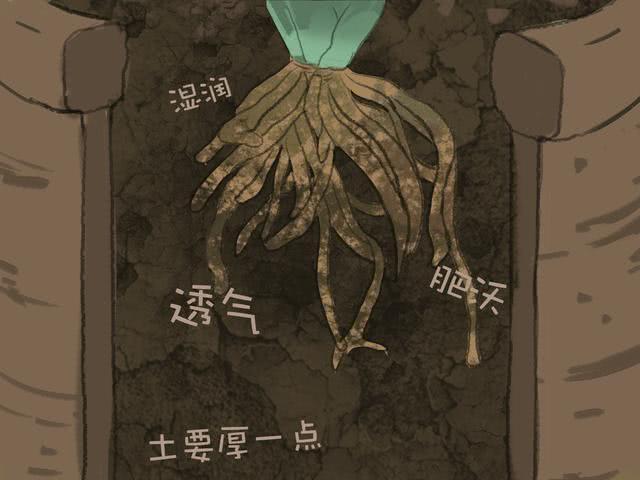
Soil: Clivia likes moist, fertile soil with good drainage. When planting, the soil can be somewhat deep, which is beneficial for root growth.
Temperature: The optimal temperature for growth is around 15-25°C, and it dislikes high temperatures and dryness. In winter it should be moved indoors to prevent freezing; if the temperature is too low, growth stops.
Light: Clivia is a semi-shade plant and is suited to growing in high-humidity environments, but it should also be given certain light conditions to meet the plant's photosynthesis and flowering needs, and it must not be exposed to direct strong light. Especially during the flowering period, maintaining good light is very important.
Watering: Clivia has a well-developed root system and is relatively drought-tolerant. But it likes moisture, and adequate water is very important, so attention should be paid to watering. Water once when the soil is half dry, but the amount should not be too much; keep the potting soil moist. Do not water too much either, to avoid root rot.
Fertilizing: Clivia likes fertilizer, but it should not be fertilized too much, otherwise it may be detrimental to growth and may even cause the plant's roots to rot. Nutrient needs also differ at different growth stages. When filling soil into the pot, base fertilizer can be added; in addition, during clivia's growth and flowering periods, cake fertilizer, bone meal, etc. can be applied.
Clivia's flowering period is generally from February to April. After it blooms, the flowering period can be extended by appropriately lowering the temperature, improving ventilation, and reducing light.