What should you do when a succulent gets black rot? Xiaoman tells you the answer
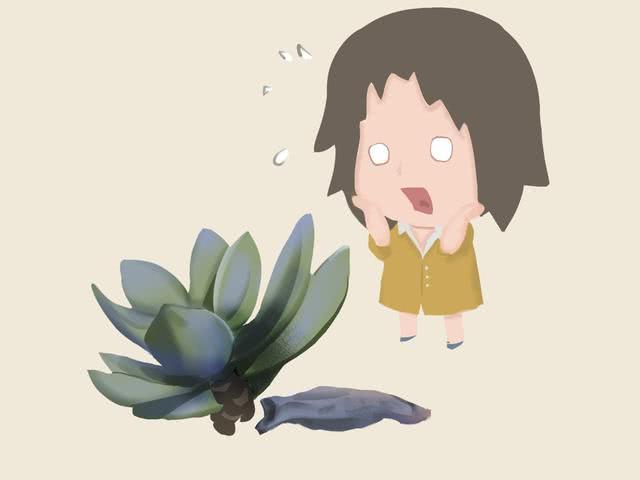
Everyone who loves flowers wants their little succulents to grow plump and healthy, but quite a few succulents are afflicted by diseases, such as the succulent black rot people often talk about. Seeing that the asker's succulent also developed black rot is truly distressing.
Succulent black rot is caused by the fungus Fusarium oxysporum, professionally known as Fusarium wilt. The main symptoms are root rot, stem rot, stem base rot, flower rot and so on. This fungus is commonly found in soil and on plant and animal organic matter, living as a facultative parasite or saprophyte. It is tough and tenacious, and can overwinter and oversummer in the soil.
It is especially likely to attack succulents that are growing poorly, have weak resistance, or have wounds.
Fungal cells like damp environments and reproduce extremely fast, multiplying from one into countless thousands, so overnight they can number in the thousands and overrun the entire flowerpot.
This is especially true in the high temperatures of summer, when stuffy, muggy potting soil creates even better conditions for it to reproduce. Damp soil suffocates the roots, growth suffers, and the plant becomes even weaker.
So never water too much, and especially be careful not to rush to put the plant in the sun right after watering, otherwise the water you just poured on can turn into hot water in minutes, intensifying the soil's heat and stuffiness.
When black rot appears, promptly drenching the roots with carbendazim is also very effective. If you find black rot on the stems and leaves of a succulent, cut it away promptly; when it is time to behead it, behead it, so as not to affect the other leaves, or else you will lose the whole succulent. Especially when the leaves fade in color or become soft, promptly check whether the root system has already developed black rot. Black rot is also contagious, so be sure to disinfect your tools and the surrounding environment.
Be sure to maintain a good ventilation environment, improve air circulation, and reduce pathogens as much as possible.
That is all about the situation of succulent black rot. If you still find it somewhat useful, give it a like or follow.