Vinegar actually has so many health benefits, and 80% of people don't know about them
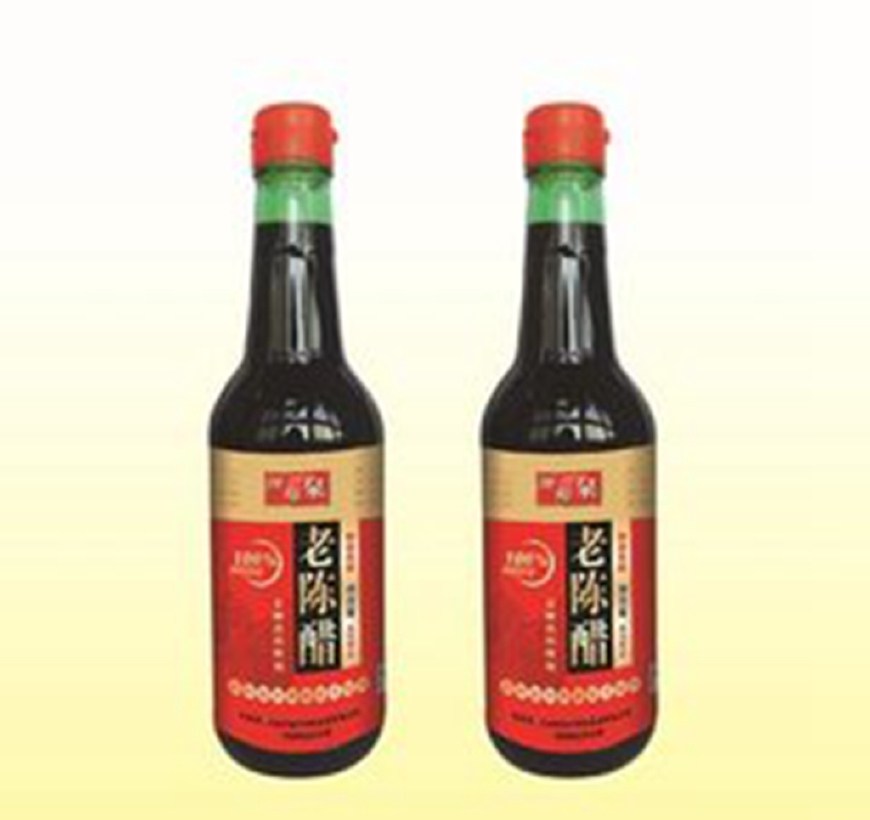
Vinegar is a must-have condiment in every household in our daily lives. According to existing written records, edible vinegar originated in China, and the history of vinegar brewing dates back at least three thousand years. The main raw materials for brewing vinegar include glutinous rice, wheat, sorghum, corn, bran, rice, and so on. For traditional Chinese vinegar brewing, the south mainly uses glutinous rice and rice, while the north mainly uses sorghum and millet. Besides edible vinegar, the ancients also invented persimmon vinegar, white vinegar, and fruit juice vinegar. Speaking of this, one cannot help but admire the wisdom of the ancients. In fact, in the process of brewing vinegar, the ancients gradually summed up many methods for selecting vinegar. For example, look at the color and body: brewed edible vinegar has an amber or reddish-brown color, and those with luster are the best. If the body is clear and free of suspended matter, it indicates that the product quality of the sediment is better. You can also smell the aroma and taste the flavor. Good edible vinegar has a unique aroma, without that pungent chemical smell. If it tastes mellow and sour, with a long aftertaste, a rich fragrance, no astringency, and no off-flavor, then it is good vinegar. Because many people eat vinegar often, they have mastered their own method of identifying vinegar when buying it. In fact, vinegar is not just a condiment. Because it contains amino acids, lactic acid, various organic acids, various minerals, and so on, it can supplement the nutrients the human body needs and has great benefits for people's health. It has many health-preserving uses, such as being able to digest fat and sugar in the human body, increasing gastrointestinal peristalsis, promoting urination and bowel movements, and also lowering blood pressure and serum cholesterol, and so on. However, 80% of people do not know these effects. Most people only know that vinegar is used as a condiment. Do you want to know how to use vinegar for health preservation? Then let us take a closer look together at the health-preserving uses of vinegar!
The first health-preserving use of vinegar is to digest fat and sugar in the human body. Vinegar contains a large amount of amino acids and organic acids and other substances, because amino acids can not only promote the conversion of excess fat in the body into energy consumption, but also digest the sugar and protein absorbed by the body, allowing metabolism to proceed smoothly. This is very practical for people who want to lose weight. When the body's metabolism is smooth, excess waste in the body is also excreted, and retained stool will also decrease imperceptibly. This is not only beneficial to health but also helps with weight loss, achieving two things at once. However, note that vinegar should not be drunk too much. There is a saying, "Extremes meet," meaning that once something goes beyond its limit, it reverses. Although drinking vinegar is beneficial to health, too much can also place a burden on the body.
The second health-preserving use of vinegar is to increase gastrointestinal peristalsis and promote urination and bowel movements. Vinegar has a diuretic function, and most people probably do not know this function. Drinking a small amount of vinegar can increase gastrointestinal peristalsis and effectively improve constipation. For people with intestinal dryness and constipation, drinking a cup of warm water with vinegar every day can relieve difficulty in having a bowel movement. Over time, you will find that constipation has significantly improved. This method is much better than taking laxatives to help with bowel movements. This way, you can not only have bowel movements but also benefit your health.
The third health-preserving use of vinegar is to lower blood pressure and prevent arteriosclerosis. Too much silicic acid in the body will cause silicic acid sclerosis, and over time it will cause high blood pressure and arteriosclerosis. Edible vinegar can effectively prevent arteriosclerosis. A little edible vinegar every day, combined with regular rest and a good diet, can lower blood pressure and prevent arteriosclerosis. If you think the taste of edible vinegar is a bit pungent, you can add a little edible vinegar to the water when you drink it.
The fourth health-preserving use of vinegar is to stimulate gastric acid secretion and help digestion. For people who secrete less gastric acid, eating some vinegar appropriately can stimulate gastric acid secretion and help digestion. This can not only help with gastric acid secretion but also incidentally help with weight loss, simply achieving two things at once. For people who are obese, secrete less gastric acid, but also want to lose weight, this can be said to be very practical. But for people with normal gastric acid secretion, drinking a little more vinegar will not only fail to increase gastric acid secretion, but may also burden the stomach. Over time, if the stomach cannot bear it, it will "go on strike," so this method is only useful for people who secrete less gastric acid.
The fifth health-preserving use of vinegar is to help with calcium intake. When we stew pork ribs, we can add an appropriate amount of vinegar to the water. This helps the calcium in the bones be released. When we drink the soup, we can supplement calcium, and the soup also tastes good, not so greasy. It is simply achieving two things at once: it supplements the calcium needed by the body and also enhances the flavor of the soup. Having said so many health-preserving uses above, I believe 80% of people did not know them. After reading this article, how much do you know about vinegar? In the future, do not say that vinegar is only a condiment. It can also be regarded as a health-preserving product. These effects are very practical for people who care about health preservation. Learn this knowledge, and you can also become a little health-preserving expert. What do you think about this? If you feel you have learned a lot from this article, why not move your lovely little hands to give it a like, or forward and share it, so more people can know!