Soilless cultivation can also grow flowers well, a complete collection of substrate formulas you must keep
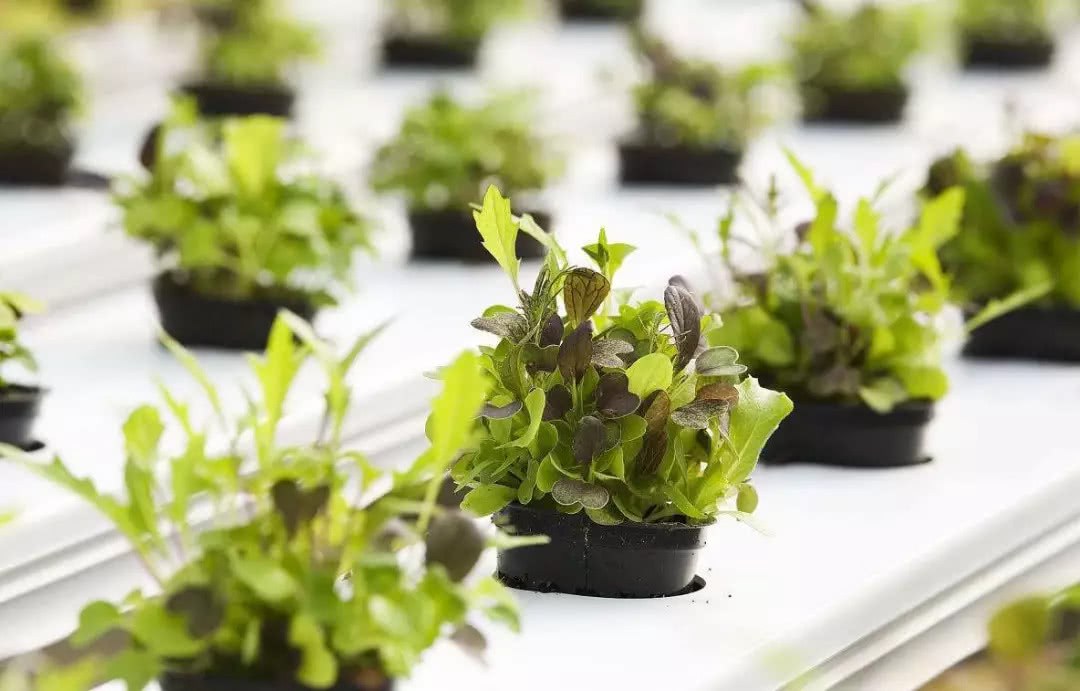
In last episode's "Growing on the Balcony," we talked about a full "thirteen types" of commonly used soilless cultivation substrates.
The last one mentioned in the article was "composite substrate," which means mixing the twelve single substrates introduced above according to the plant's needs into a substrate composition whose water-to-air ratio is more suitable for that plant's root growth.
"Composite substrate"When used, it is really excellent!
This is like how different colors are all wonderful, and proper mixing will create a beautiful painting. Of course, it also needs an excellent painter to properly guide the process and rhythm of this painting.
Hahaha, is that a bit too mysterious? Let's return to the formula for "composite substrate." This formula is what the host calls the "painter's guidance."
Types of composite substrates
Those made with inorganic substrates are called inorganic composite substrates;
those made with organic substrates are called organic composite substrates;
those made with both inorganic and organic substrates are called inorganic-organic composite substrates.
Commonly used inorganic composite substrates
1. A substrate of ceramsite and perlite at 2:1
Suitable for growing flowers with various thick or fleshy root systems.
2. A substrate of vermiculite and perlite at 1:1
Improves aeration and is suitable as a cutting substrate.
3. A substrate of furnace slag and sand at 1:1
Can be used as a cutting or cultivation substrate.
Commonly used organic-inorganic composite substrates
1. A substrate of peat, vermiculite, and perlite at 2:1:1
High in water content, often used for foliage plant cultivation.
2. A substrate of peat and perlite at 1:1
Used as a cutting substrate.
3. A substrate of peat, perlite, and sand at 1:1:1
Used for potted plants.
4. A substrate of peat and furnace slag at 1:1
Used for potted acid-loving plants.
5. A substrate of peat and vermiculite at 1:1
Used for cutting propagation.
In fact, these substrates are relatively easy to collect or buy. Garden friends, mix and use them according to your own flower-growing needs!
Growing on the Balcony
Alright, that's all for today. If garden friends still have any questions they hope the host will answer, leave a message in the comment section below.
I also do not know whether the host explained clearly and in detail. Garden friends who did not understand, the host has specially written an acrostic poem for you. It may not be written well, but it can help you find the host.
More wonderful articles are all in an acrostic poem:
A gentle breeze lightly caresses, flowers remain always
Strolling freely in spirit, wandering to the southern slope
Searching for wonders and seeking cleverness at Bronze Sparrow Terrace
Planting red and growing green above the blue clouds
—Come challenge: a four-line acrostic and tail-hidden poem. Connect the first characters plus connect the last characters, and you can get an eight-character motto to summon the host's true form! When you come, remember to say: "Host, your secret has been cracked by me"!
Growing on the Balcony, learning has no end.