When should orchids not be fertilized? Master these few tips
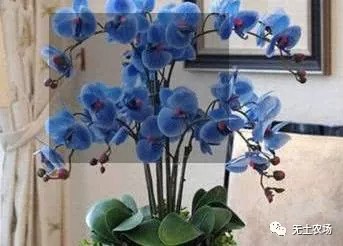
The quality of fertilizer directly affects the growth condition of orchids. In daily care, there needs to be a limit, otherwise the effect will be counterproductive. There are many types of fertilizer: organic fertilizer, slow-release fertilizer, foliar fertilizer. Which one suits your orchid? Under what circumstances can fertilizer not be applied? These are all things we need to pay attention to.
Orchids in early spring have just come out from indoors and have not yet recovered and developed. The weather is also relatively cold, growth is slow, and root absorption is not smooth. Applying fertilizer will make root respiration difficult and harm the growth of orchids. In midsummer, when the weather is above 35 degrees, root absorption is relatively slow, and it is recommended to stop fertilizing. If fertilization is really necessary, the fertilizer needs to be diluted to more than 2 times the usual strength. This can both stimulate the orchid roots and avoid damaging the root system, and pay attention for the next wave of flower buds.
Fertilizing is meant to make orchids grow more robustly and the plants more vigorous. Newly planted orchids have not yet adapted to the new environment. Fertilizing immediately will instead harm the growth of the orchids. It is suggested that after 2-3 weeks, once the orchids have grown a certain amount of new roots, then fertilize appropriately.
If the orchid leaves are dry and withered, lack luster, and no new shoots are emerging, during this period first figure out clearly what is causing it. Is it infected with disease, or is the potting soil compacted, or are the roots rotted? If none of these are the case, then during this period a little foliar fertilizer can be used to help the leaves regulate the growth of the whole plant and restore the orchid's vitality.
In autumn and winter, the root system becomes more numerous, and flower bud differentiation also increases. Some deformed flower buds will appear. At this time, it may be that the roots have a problem. During this period, it is necessary to pause fertilization. First apply foliar fertilizer, and after the root system returns to normal, then water with fertilizer. Fellow flower lovers, have you paid attention to these aspects in your growing process? You are welcome to comment and discuss, and share your valuable experience!
▎Text and images: edited by Soilless Farm Xuanlang
LOVE. Soilless Farm
Soilless FarmShengguo Ju Mall
Discover the beauty of growing flowers