Can Waterlogged Succulents Still Be Saved? 300,000 Plants Flooded, 2 Million Yuan Lost
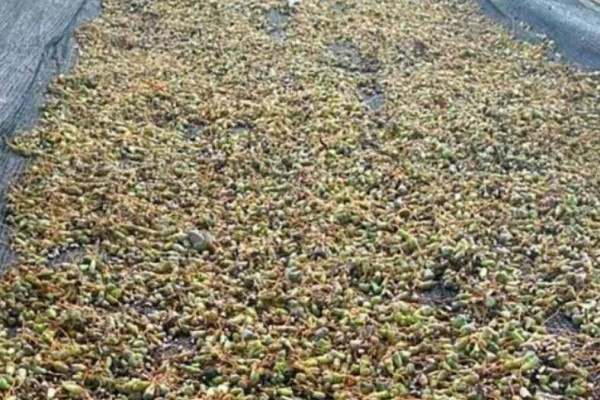
Lithops, also called "butt flowers," may be tiny, but their market price ranges from 3 to 20 yuan each. Not only was the supply greenhouse flooded, but two mother plant greenhouses were flooded too. This is a total bloodbath loss.
The once plump Lithops turned wrinkled overnight. Ugly or not, saving even one plant counts.
Don't think the North got hit hardest by torrential rain this year. In July in Sichuan, after several consecutive rains, flower enthusiast @I Am a Thin Person ran to check their succulent greenhouse and felt their heart turn to ice.
The succulents outside were already soaked beyond saving. Hoping the succulents inside the greenhouse still had a glimmer of hope, but looking at the greenhouse entrance, things did not look good at all.
Finally making it inside the greenhouse, the succulents there were not much better off than the ones soaking outside. The situation was not optimistic either. This is really devastating.
Don't think only outdoor greenhouses get flooded. There are also flower enthusiasts whose succulents took a bath right at home!
Looking at these flooded succulents, Huahua feels really uneasy. Today, let's not talk about anything else. Let's just tell everyone how waterlogged succulents can "come back from the dead." Whether it's torrential rain or overwatering, these tricks work!
What to Do with Waterlogged Succulents
Huahua has said before that succulents can be grown hydroponically, so being soaked for a short while won't kill them. They can slowly adapt to aquatic life. But if the pot stays on the ground or another flat surface with no airflow at the bottom, that's trouble. They can easily turn into "boiled meat."
1. Put the Pots on a Rack
The simplest, most direct method is to place the pots on an open-frame rack. This way the bottom of the pots can breathe, and being elevated also improves ventilation.
2. Put the Pots on Sand
A more natural and effective method is to place the pots on coarse sand. This simulates natural drainage, and succulents adapt faster.
3. Use a Small Fan to Speed Up Ventilation
Place the succulents on a windowsill or another elevated table. Put toilet paper under the pot bottoms and aim a small fan at them to enhance airflow.
4. Switch Directly to Hydroponics
Since succulents can be grown hydroponically and are already soaked, just switch them to hydroponics directly. Carefully dig out the succulent, rinse the roots clean with water, and place it in a transparent small-mouthed yogurt bottle. No need for much water; the moisture inside the bottle is enough for it to survive.
5. Remove from Pot, Air-Dry Roots, and Replant
Dig out the succulent, trim the roots leaving only the main roots, then soak in carbendazim solution for 15-20 minutes. Place in a cool, ventilated spot to air-dry for 2-3 days. After drying, replant. Note that the original soil must be sterilized by sun exposure before use!