Master 4 key points when repotting clivia in early autumn: more shoots, green and glossy leaves, and flower spikes that grow fast
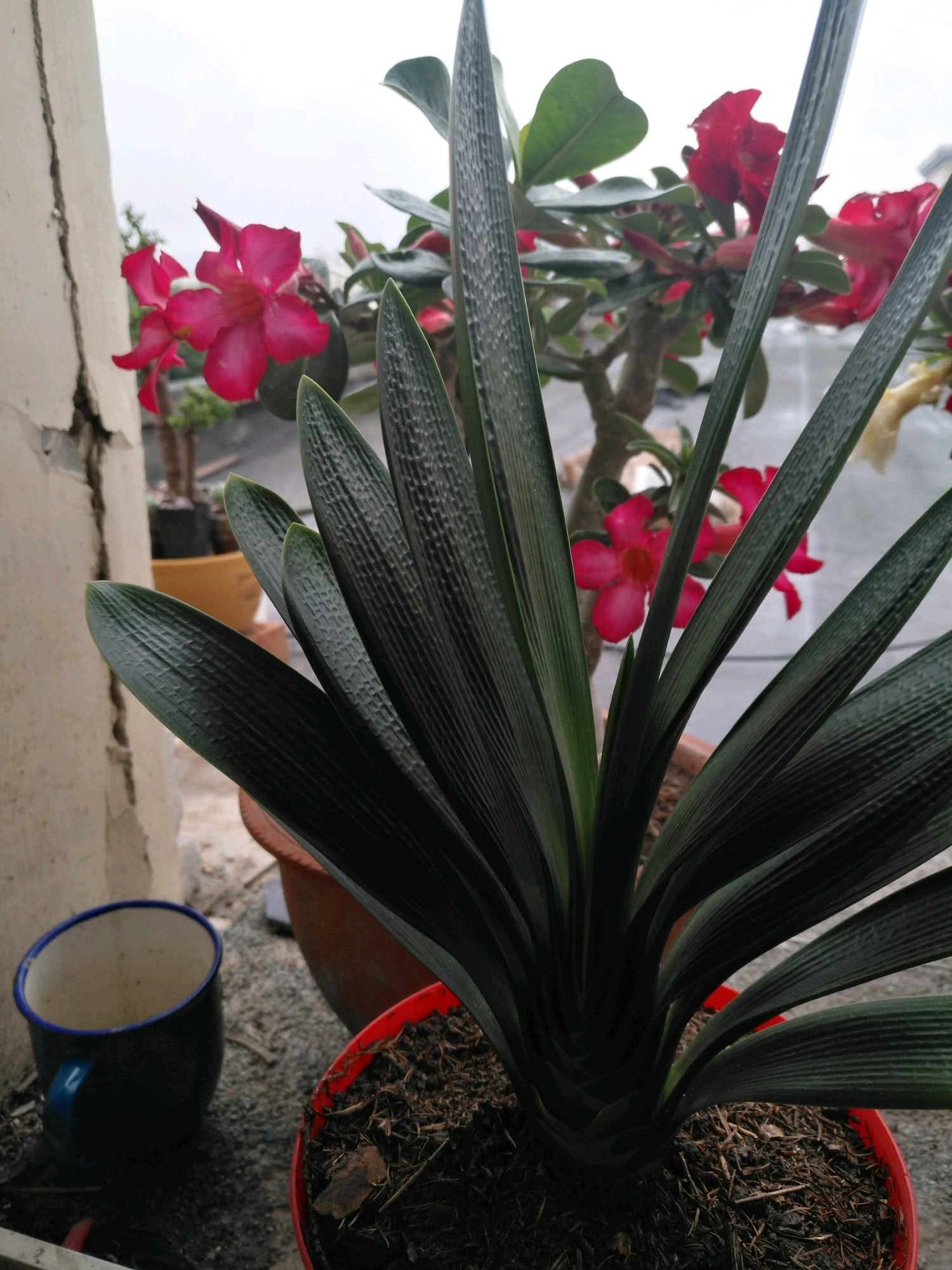
As September arrives, the weather is gradually turning cooler, and clivia is slowly waking up from its dormant state. Many flower lovers are asking how to repot clivia. Repotting is also a key part of autumn clivia care, and one wrong step can lead to root rot and no growth.
If you want clivia to recover quickly, you need to grasp 4 key points when repotting. That way, clivia will grow big white roots like crazy, send out lots of shoots, have shiny, glossy leaves, and shoot up flower spikes fast.
Key point one: let water pass, not soil
Everyone uses all kinds of pots for clivia, but in the end, you still have to consider air permeability and drainage. If you use a gallon pot, it is best to put a few stones in it to cover the drainage holes, so the pot only drains water and does not lose soil. Then add a layer of growing medium; leaf mold soil or nutrient soil are both fine, but spray a little water to keep the medium slightly moist.
Key point two: sufficient fertilizer
In autumn, clivia grows vigorously and needs a lot of fertilizer, so when potting it up, a very important step is to add some base fertilizer. There are many choices for base fertilizer, such as hemp seeds and perilla seeds, but these are rather troublesome to get. More simply, we can use dry grass, peanut shells, and eggshells.
This dry grass is rich in nitrogen, phosphorus, and potassium. Eggshells can also provide clivia with a certain amount of calcium and phosphorus. Peanut shells can increase the air permeability of the soil. The soil mix basically meets the characteristics of being loose, fertile, and nutritious. If there are no problems in care, clivia will naturally grow well.
Autumn is a key period for clivia to form flower buds, so when caring for clivia at this stage, not only must the base fertilizer be sufficient, but you also need to supplement it with some phosphorus and potassium fertilizer at the right time. After clivia has settled into the pot, you can water it with some phosphorus and potassium fertilizer every 10 days, so its leaves become green and glossy, its flower spikes shoot up fast, and its flowers are large and brightly colored.
Key point three: close contact between roots and soil
Before repotting, it is recommended to stop watering for a few days, so clivia is easier to remove from the pot. After taking the clivia out of the original pot, first remove the old soil, but do not be too rough, so as not to damage the roots. After cleaning off the soil, wash the roots, cut off hollow roots and rotten roots, then apply a little plant ash to the wounds to prevent the wounds from rotting.
After treating the roots, you can plant the clivia into a new pot. At this time, you also need to pay attention to one detail: because the roots are currently bare, if you put it directly into the pot and then fill in soil, it will cause hollow spaces among the roots, making them unable to contact the soil, so the roots naturally will not grow well.
To avoid this situation, we can first take a handful of soil, stuff it into the bottom of the clivia's root system, then wrap it well, place it into the pot at an angle, then center it on the pseudobulb, secure the clivia so it sits in the exact center of the pot, and then fill in soil and press it firm, so the roots and soil are in close contact.
Key point four: water in the settling water slowly
Clivia, like orchids, has fleshy roots. After potting up orchids, we often suggest not watering immediately with settling water, because during repotting the roots are damaged to some degree. Watering heavily at this time will increase the chance of root rot. The same is true for clivia.
So when should you water with settling water? It depends on how dry or wet the potting soil is. Generally, you can do it after 3-5 days, giving the root wounds a process of recovery. Because moist soil is used when potting up, and fleshy roots also have a certain water-storage capacity, there is no need to worry that the roots will dry out.
When repotting clivia, do these 4 things well, and your clivia will grow vigorously and bloom abundantly.