Don't handle Clivia root rot carelessly - the wrong method will kill it faster
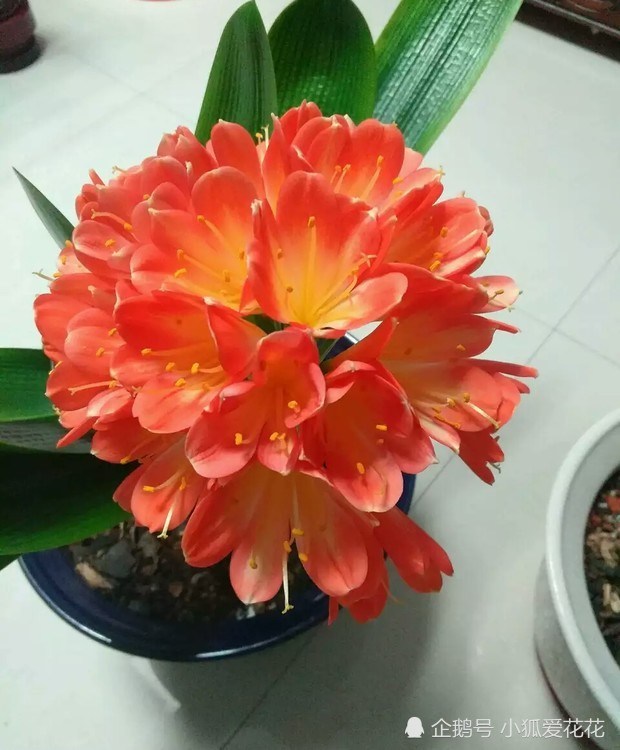
Clivia has high ornamental value, and flower lovers like to keep it indoors in pots for viewing. Recently I saw a flower lover say that their Clivia always gets "root rot" - why is that? There are many causes of root rot, but today Xiaohu wants to talk about how to handle Clivia "root rot". Pay attention - you can't just use any method, otherwise the Clivia will die faster. Let's look at the methods and steps.
Step 1: Do a little check
Usually, overwatering causes root rot. If the leaves have rotted, you can cut them off, but if you want to check whether the Clivia has root rot, you can use a stick to gently pry open the soil near the roots until you can see the roots. If the roots have already turned black and rotted, take the whole plant out of the pot and wash it with clean water.
Step 2: Disinfect and sterilize
After washing, the Clivia is very fragile. To prevent infection by pathogens, you must disinfect its roots. First sterilize the scissors, then cut off the roots that have already rotted - in short, cut wherever there is rot. Soak them in potassium permanganate solution. After soaking, you can apply a little rooting powder to the roots, which helps the Clivia grow new roots.
Step 3: Replant
When Clivia has root rot, the soil will inevitably be infected. It is best to change to new soil. The new soil can first be watered with carbendazim, and then replant. Note that the Clivia should be kept in a place with light, but not in direct sun. Wait until the soil is dry before watering again.
Step 4: Supplement nutrition
After some roots have been cut off, the Clivia is like a patient after surgery and also needs some "nutrition" - that is, fertilizer - so it can absorb and grow better. As for fertilizer, although it is now early autumn and the weather is turning cooler, the sun is sometimes still quite hot, so chemical fertilizer is not recommended because it easily burns the roots. Flower lovers are advised to use a general-purpose plant nutrient solution, which can comprehensively supplement what Clivia needs for growth. Generally, one bottle costs about the same as a fast food meal, and can be used for about a year.
Step 5: Control of temperature and moisture
For Clivia, after root rot treatment and replanting, the suitable temperature for growth is 20°C~25°C. Good ventilation must be maintained, and it must not be stuffy. Water less; if the potting soil is too wet, it is not conducive to the Clivia growing new roots again, and instead there is a risk of rot.
Step 6: Do not dig around casually
Once the Clivia has been potted, you must not dig around to see whether the roots are still rotting, because doing so actually increases the chance of infection. So, since the roots have already been treated, you need to be patient and not rush.
That's all the knowledge Xiaohu is sharing today! Finally, a reminder to everyone: when Clivia shows "root rot", take it seriously, use the correct method to handle it, and also pay attention to supplementing nutrients and moisture and maintaining temperature!
Some images are from the internet